Avoiding the Wooden Spoon: England's Six Nations Recovery Strategies
The Wooden Spoon, the symbolic 'award' for finishing last in the Six Nations, is a fate England Rugby has rarely endured but desperately seeks to avoid in any campaign. For a nation with a rich history including multiple Grand Slams, the specter of bottom place represents not just a poor tournament, but a significant setback requiring immediate and strategic recovery. Avoiding this outcome demands a multi-faceted approach, blending tactical pragmatism, mental resilience, and squad evolution. This article outlines the key recovery strategies England must employ to steer clear of the Wooden Spoon and rebuild championship momentum.
Diagnosing the Causes: Beyond Results
Recovery begins with an honest, clear-eyed diagnosis. A Wooden Spoon threat rarely stems from a single issue. It is typically a confluence of factors: a malfunctioning attack, defensive fragility, ill-discipline, and a loss of collective confidence. England must analyze performance data beyond the scoreboard, focusing on key metrics like ruck speed, lineout success rate in critical areas, and territory gained from structured phase play versus turnovers. Understanding whether failures are systemic, technical, or psychological is the first critical step. Reviewing England's Wooden Spoon moments in history can provide valuable lessons on the patterns of decline that must be broken.
Tactical Recalibration: Simplifying the Game Plan
When results deteriorate, complexity often becomes the enemy. A core recovery strategy involves tactical recalibration—simplifying the game plan to execute fundamentals with ruthless efficiency.
Set-Piece Solidification
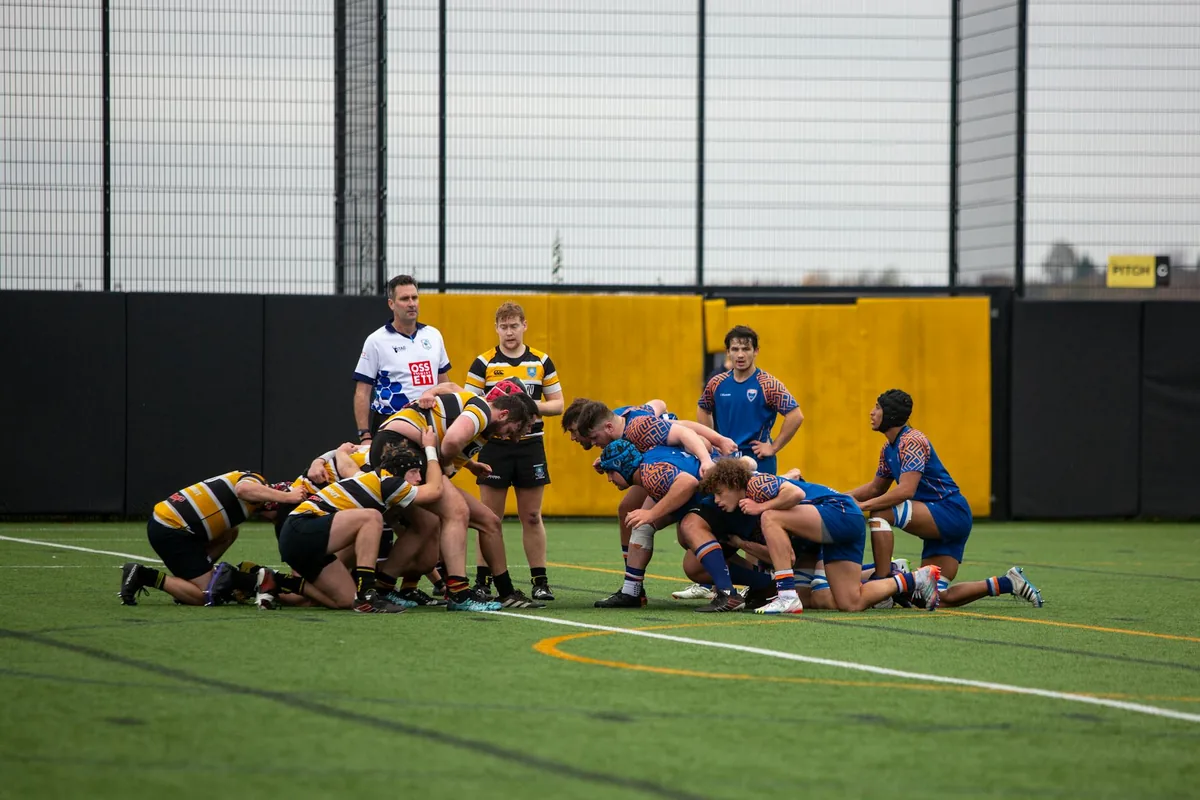
The scrum and lineout are non-negotiable foundations. England must return to a position of set-piece dominance, providing a stable platform and reliable possession. This involves not just technical work but strategic selection, ensuring the pack has the cohesion and power to impose itself. A dominant set-piece alleviates pressure, creates scoring opportunities from driving mauls, and can demoralize opponents.
Kicking Strategy and Territory Management
In a struggling campaign, playing too much rugby in the wrong areas is a recipe for disaster. England must refine its strategic kicking game to win the territorial battle. Intelligent kicking, coupled with a ferocious chase, can pin opponents back, force errors, and create scoring chances from turnovers in the opposition half. This controlled approach builds pressure and can yield penalties, allowing a team to accumulate points even when try-scoring fluency is absent.
The Mental Battle: Restoring Belief and Identity
The psychological dimension of a Wooden Spoon battle is immense. Doubt can become contagious. Recovery requires deliberate mental rebuilding.
Leadership and Clear Communication
Strong, unified leadership is paramount. The captain, vice-captains, and senior players must project calm assurance and reinforce the game plan. Clear, positive communication on the field helps maintain focus and discipline during inevitable periods of opposition pressure. The influence of England's leadership group in such times cannot be overstated.
Embracing the Underdog Mentality
Paradoxically, the threat of the Wooden Spoon can unshackle a team. With external expectations lowered, England can embrace an underdog, battle-hardened mentality. The focus shifts entirely to the performance, the team, and the immediate battle. Drawing inspiration from historic England comebacks can reinforce the belief that no situation is irrecoverable.
Squad Evolution and Youth Integration
A crisis often accelerates evolution. While experience is crucial, injecting fresh energy and talent can spark a revival.
Integrating dynamic young players who are in form at club level can disrupt opposition analysis and add new dimensions in attack and defense. This process of blooding new talent must be managed carefully, with clear roles and support structures. However, the enthusiasm and fearlessness of newcomers can be infectious, challenging established players to raise their levels and reminding the squad of its core identity—a blend of power and pace. Monitoring youth development pathways ensures ready talent is available when needed.
Exploiting the Fortress: The Twickenham Factor
The fixture list in a struggling campaign is critical. England's recovery strategy must leverage home advantage to its maximum. The power of Twickenham is a tangible asset. The crowd can become a genuine 16th player, especially in tight, physical encounters where momentum swings on effort and will. Ensuring meticulous preparation for home games—from pitch conditions to matchday routines—is essential to build a winning platform. Conversely, a smart approach to away games, focusing on resilience and tactical discipline, is needed to scrape vital points on the road.
Learning from History and Rivalries
Every Six Nations match is a historical narrative. In a recovery mission, these narratives can be powerful motivators. The intensity of rivalries must be harnessed. Facing Scotland, the history of the Calcutta Cup adds an extra layer of significance; a victory here can instantly transform a campaign's complexion. Similarly, clashes with Wales, Ireland, and France are battles for pride and standing. Understanding the specific challenges of each opponent, such as the unique atmosphere when conquering Cardiff, forms a key part of the strategic preparation to avoid last place.
Long-Term Vision Amid Short-Term Fight
Ultimately, avoiding the Wooden Spoon is a short-term imperative that must align with a long-term vision. The recovery strategies employed—tactical simplification, mental fortitude, selective youth integration—should not be panic measures but coherent steps in a broader development plan. The objective is to emerge from the tournament with a clearer identity, a more resilient squad, and foundations upon which to build for future championships, such as those outlined in our Six Nations 2025 preview. For authoritative insights into the global game and tournament structures that influence England's planning, resources like World Rugby and the official Six Nations website are invaluable references.
For England, the mission is clear: marshal all available resources, embrace the struggle, and execute a game plan built on pride, power, and precision. The Wooden Spoon is not merely a physical object but a state to be avoided through deliberate, collective will.