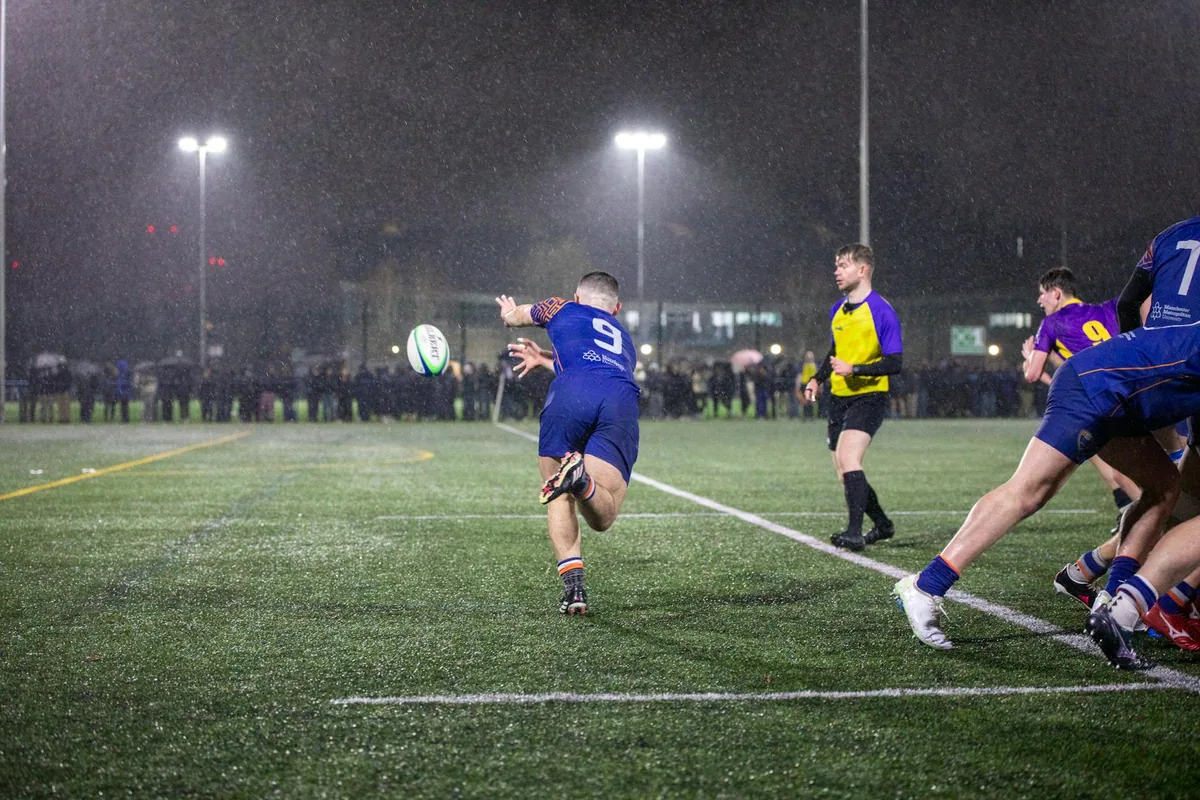
Mastering Transition Play: England's Attack from Turnover Ball
In the high-stakes arena of international rugby, few moments offer a more potent opportunity to score than a turnover. The sudden shift from defense to attack—transition play—catches opponents in disarray, creating mismatches and space that structured phase play often cannot. For England, mastering this art has become a cornerstone of their modern tactical identity, a weapon honed to turn defensive resilience into devastating offensive strikes.
The Anatomy of a Turnover
A turnover is more than just winning the ball back; it's the catalyst for chaos. It can originate from a jackal at the ruck, a dominant tackle that dislodges the ball, an interception, or a scrum/lineout steal. The critical factor is the state of the opposition: their defensive line is fractured, their forwards are often committed to the previous phase, and their backfield coverage can be exposed. England’s system is designed to exploit this disorganization instantly.
The philosophy is built on two pillars: immediate support and clear communication. The first player to the breakdown secures possession, but it’s the next two or three who dictate the attack’s direction. They must assess the picture—identifying where the space is, where the defenders are, and which of their teammates is best positioned to attack. This requires not just athleticism, but a high rugby IQ and hours of coordinated practice. As explored in our analysis of Captain's Calls: Game Management and Decision-Making, leadership on the pitch is crucial in these split-second moments to direct the ensuing play.
England's Transition Playbook: Structure in Chaos
While transition play appears spontaneous, England’s approach is underpinned by rehearsed patterns and clear roles. The objective is to move the ball to space with minimal delay, bypassing the recovering defensive line.
The Role of the "Sweeper" and Playmakers
A key figure in England’s transition is often the fly-half or a deep-lying fullback acting as a "sweeper." From this position, they can survey the field and make the pivotal decision: to kick for territory, run it back, or spread the ball wide immediately. Players like George Ford and Marcus Smith excel here, with their vision and varied kicking games. Their ability to execute a precise attacking kick into space behind a broken defensive line is a primary weapon, turning a turnover into immediate territorial gain and pressure.
Forward Pods in Motion
England’s forwards are drilled to transition from breakdown competitors to dynamic ball-carriers and support runners. Instead of forming static pods, they look for soft shoulders and mismatches against back-pedaling defenders. The focus is on offloading in contact to keep the ball alive and the defense moving laterally, preventing them from resetting. This fluidity is a direct contrast to their more structured multi-phase attack strategies, but both are essential tools in the modern game.
Exploiting the Edge
When the ball is turned over near the touchline, England’s strategy often involves hitting the short side with pace. With the bulk of the opposition likely drifting to cover the open field, a quick pass to a winger or a forward with pace can yield significant gains. This tactic requires exceptional handling skills and spatial awareness, qualities nurtured in England’s intensive training camps.
Historical Context and Evolution
England’s emphasis on transition play has evolved significantly over different coaching eras. The 2003 World Cup-winning side, while possessing a formidable set-piece, also had players like Neil Back and Richard Hill who were masters at the breakdown, creating turnover opportunities for Matt Dawson and Jonny Wilkinson to exploit. In the modern era, the influence of coaches like Eddie Jones and now Steve Borthwick has further systematized this aspect, integrating it with a relentless defensive system.
Some of England’s most memorable victories have been fueled by turnover tries. These moments often shift momentum irrevocably, as seen in several of the Greatest Comebacks in England Rugby History. The ability to score against the run of play demoralizes opponents and energizes the entire squad, showcasing the psychological impact of effective transition play.
Training the Transition Mindset
Developing this capability extends beyond simple drills. England’s coaching staff creates specific scenarios in training that mimic the unpredictable nature of turnovers. Defensive units are put under pressure and then immediately tasked with attacking from a won turnover, often with numerical disadvantages or advantages to simulate real-game chaos. This conditions players to think attack the moment possession is secured, a mindset that separates good teams from great ones.
Physical conditioning is paramount. Transition play demands repeated high-intensity efforts—a player must make a tackle, compete at the ruck, and then sprint into an attacking line. The elite fitness and conditioning programs undertaken by the squad are designed to build the engine required for this explosive, multi-phase effort.
The Strategic Impact in Major Tournaments
In tournaments like the Six Nations, where margins for error are slim, proficiency in transition can decide championships. A single turnover try in a tight match, such as those often seen in the fierce Calcutta Cup rivalry, can be the difference between a win and a loss. As England builds towards the 2027 Rugby World Cup, refining this area of their game will be critical.
It also complements their broader tactical approach. A team known for its set-piece strength and defensive discipline, as detailed in our Defensive Organization analysis, becomes exponentially more dangerous when it can convert defensive stops into points. It forces opponents to second-guess their attacking choices, knowing that any error could be punished immediately at the other end of the field.
Conclusion: The Ultimate Game-Changer
Mastering transition play is about more than just scoring spectacular tries. It is a comprehensive philosophy that links a team’s defense and attack into a single, relentless weapon. For England, it represents a pathway to playing a dynamic, modern brand of rugby that can adapt to any game state. By continuing to hone the skills, decision-making, and fitness required to excel in these moments, England ensures they are always just one turnover away from changing the course of a match. In the fast-paced, physically demanding world of test rugby, that ability is not just an advantage—it’s a necessity for any team with aspirations of lifting trophies.
For more on the strategic elements of England’s game, explore our deep dive into Game Management or learn about the historical context of their tactical evolution in our England Rugby Coaching Legacy article.