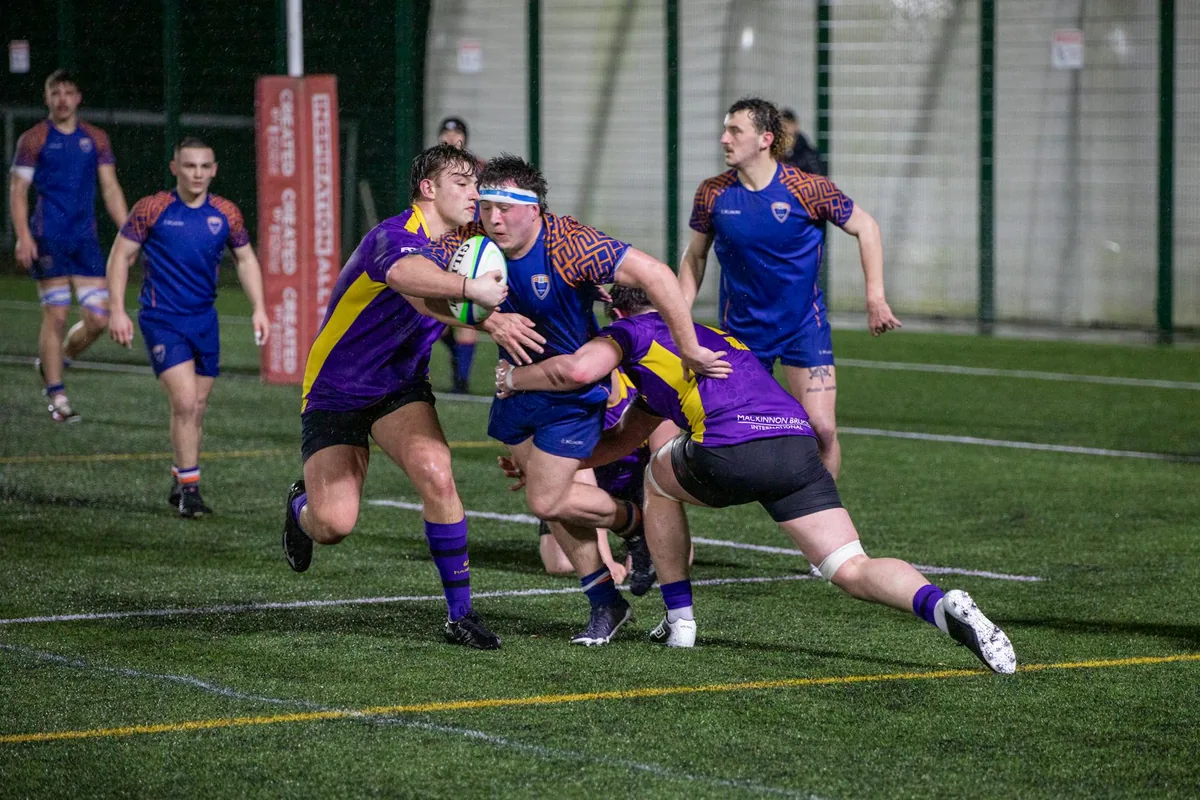
Tactical Adaptations: How England Adjusts During Six Nations Matches
The Six Nations Championship is rugby’s ultimate pressure cooker. Unlike a one-off test, it’s a five-round tournament where momentum is fragile, and every opponent presents a unique puzzle. For England, success is not just about executing a pre-ordained game plan; it’s about the capacity for intelligent, in-game tactical adaptation. Under the analytical eye of head coach Steve Borthwick, England’s ability to read the flow of a match and pivot strategically has become a defining feature of their campaign. This article delves into the mechanisms and moments that characterize England’s tactical adjustments during the heat of Six Nations battle.
The Borthwick Blueprint: Structure with Flexibility
Steve Borthwick’s England is built on a foundation of set-piece dominance and defensive rigidity. The core tactical blueprint is clear: establish territory through a shrewd kicking strategy, apply pressure via a formidable scrum and lineout, and suffocate opponents with an organized defensive system. However, the true test of this system comes when initial plans are challenged. Is the structure a cage or a scaffold? The best England performances under Borthwick suggest it’s the latter—a stable platform from which to adapt.
This adaptability starts with leadership on the pitch. Whether it’s the experience of Owen Farrell or the emerging voices of players like Ellis Genge, England’s on-field decision-makers are empowered to identify tactical shifts. They analyze the referee’s interpretations at the breakdown, assess the opposition’s defensive spacing, and gauge the effectiveness of their own attacking patterns. This real-time analysis is the first step in any mid-match adaptation.
Key Areas of In-Game Adjustment
England’s tactical shifts typically manifest in several critical areas of the game. These are not random changes but calculated responses to the specific challenges posed by each Six Nations rival.
1. The Kicking Duel: Shifting Between Territory and Contest
England’s kicking game is multifaceted. The initial plan against a team like Ireland might be to kick long to turn their potent attack, while against Italy, more contestable kicks in behind a aggressive defensive line might be preferred. The in-game adaptation comes when the opposition adjusts their backfield coverage. If a team like Scotland commits an extra player to the backfield, England’s half-backs must recognize the created space in the frontline and shift towards more carries or tactical grubbers. This constant cat-and-mouse game, balancing territory with possession, is a live tactical narrative in every match.
2. Attacking Shape: From Phase Play to Strike Moves
While England’s attacking patterns are built on multi-phase pressure, they must be ready to exploit sudden opportunities. If an opponent’s defensive line speed is exceptionally fast, England may adapt by using more short passes, tip-ons, or pick-and-goes to negate the rush. Conversely, if the defence begins to compress inward, the call might go out to shift the ball wide more rapidly. The introduction of a player like Marcus Smith from the bench often signals a deliberate adaptation, injecting a different creative tempo and forcing tired defenders to make new decisions. For a deeper look at how specific players drive these changes, our players to watch spotlight provides further insight.
3. Defensive Pressures and Line Speed
England’s defensive system is not a monolithic wall. Coaches and captains can adjust the line speed and aggression based on the game state. Protecting a lead in the final quarter against France in "Le Crunch" might involve a more conservative, connected drift defence. Chasing a game against Scotland at Murrayfield, however, could trigger a more aggressive, blitz-style approach aimed at forcing turnovers. The management of these systems, and the fitness required to execute them, is a testament to the squad’s preparation.
4. The Bench as a Tactical Weapon
Perhaps the most premeditated form of adaptation is the use of replacements. Borthwick’s bench strategy is highly tactical. It’s not merely about fresh legs, but about introducing specific skill sets to change the game’s dynamic. A mobile lock might replace a scrummaging specialist if the game becomes more open. A powerful, direct carrier might be introduced to target a tiring midfield. The "finishers" are briefed to execute a specific tactical mandate, making the final 20 minutes a distinct phase of planned adaptation.
Case Studies in Adaptation: Learning from the Fixtures
Examining England’s recent Six Nations history reveals clear examples of tactical adaptation. Each fixture demands a unique approach, as outlined in our opponent-specific tactics analysis. For instance, the physical battle against Wales often requires adjustments at the breakdown to counter their jackaling threats. The aerial contest against Ireland, featuring players like Freddie Steward, might evolve based on weather conditions and backfield positioning.
A classic example is adapting to referee interpretations. The contest at the ruck is a lottery that changes weekly. England’s flankers and scrum-half must quickly discern what is being allowed and adapt their cleanout speed and contest strategy accordingly within the first quarter. Failure to do so can lead to a flurry of penalties and a loss of momentum.
The Role of Data and Communication
Modern tactical adaptation is supported by real-time data. Analysts in the stands relay information on possession statistics, territorial maps, and individual player metrics to the coaching box. This data analysis can identify trends, such as a particular wing being targeted in defence or a prop tiring in the scrum. This information is then communicated to water carriers and, subsequently, to the players on the pitch, enabling evidence-based adjustments.
Effective communication is the glue that binds this process. The leadership group, often discussed in our captaincy analysis, must be able to absorb information, make a collective decision, and ensure all 15 players understand the new directive amidst the chaos of a Test match. This is where experience and a clear hierarchy prove invaluable.
Looking Ahead: Adaptation as a Championship Decider
As England builds towards future tournaments, the capacity for in-game adaptation will remain their most crucial weapon. The 2024 Six Nations and beyond will present scenarios where the initial plan fails. Weather may disrupt a kicking strategy, an early red card may force a reshuffle, or an opponent may unveil an unexpected tactical surprise. England’s ability to problem-solve in these moments—to shift from Plan A to Plan B or C seamlessly—will define their championship credentials.
This skill is honed through experience, both in historic classic matches and on the training field. It requires a squad with not only physical depth, as seen in our positional breakdown, but also with tactical intelligence and calmness under fire. In the unforgiving arena of the Six Nations, the most rigid teams are often broken. The adaptable ones, however, find a way to win.
For further reading on England’s strategic evolution, the official England Rugby website provides team news and insights, while detailed tactical breakdowns can often be found on authoritative rugby analysis sites like The Rugby Site.