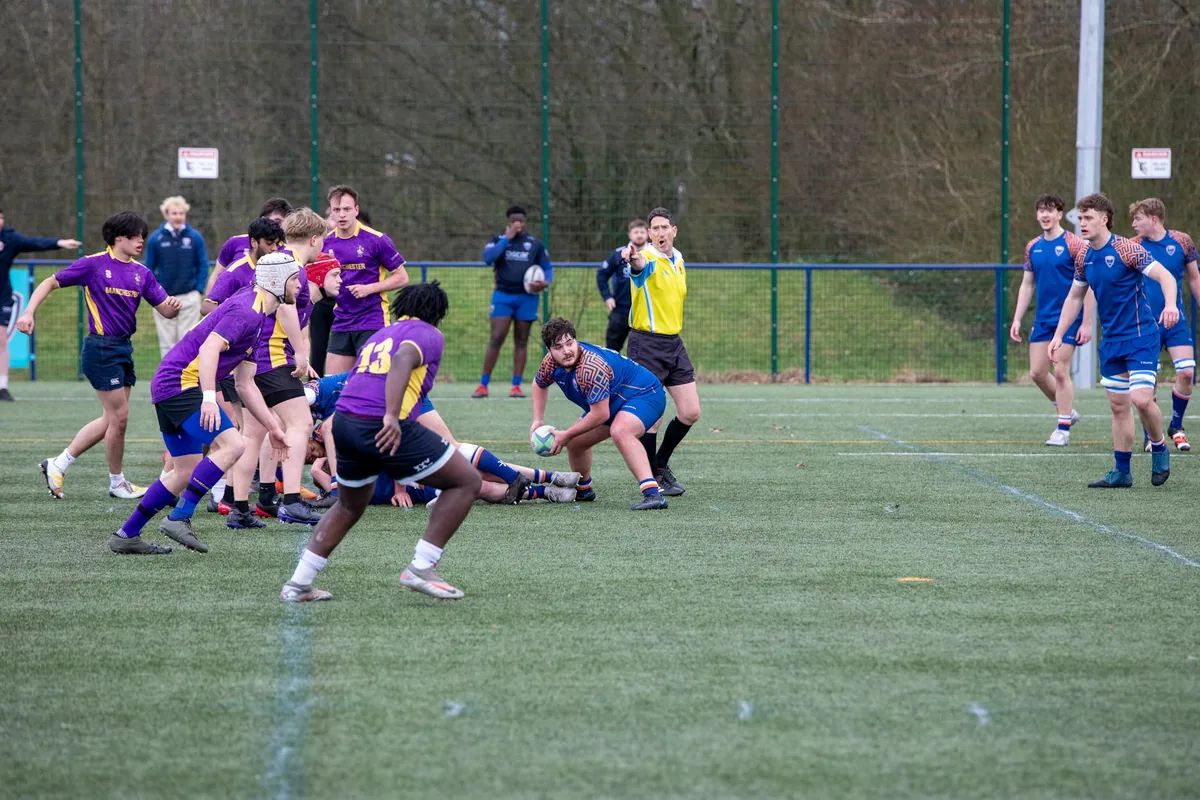
The Strategic Power of the Bench: How England's Substitutions Shape Modern Rugby
The final quarter of a rugby match is often where games are won and lost. For the England rugby team, the impact of substitutions—the 'finishers' as they are now strategically termed—is a critical component of their tactical blueprint. No longer merely replacements for tired legs, the bench is a curated arsenal of game-changers, deployed with precision to exploit weaknesses, solidify strengths, and control the narrative of the match's closing stages. This deep dive examines England's bench strategy, the philosophy behind their 'finishers', and how this approach has become a defining feature of their performance on the international stage.
The Evolution from Replacements to Finishers
The terminology shift from "substitutes" to "finishers" is more than semantic; it represents a fundamental philosophical change in how England, and modern rugby, views its squad. Introduced prominently by former coach Eddie Jones and refined under Steve Borthwick, this mindset elevates the bench players from a supporting role to a proactive, tactical weapon. A finisher is expected to enter the fray with specific, high-impact tasks, often at a point where the opposition's energy and concentration are waning. This approach demands a different psychological and physical preparation, where players are primed to inject pace, power, or specialist skill at the crucial moment, directly influencing the outcome. This strategic depth is a key factor in navigating the intense pressure of tournaments like the Six Nations Championship, where matches are frequently decided by the finest margins.
Building the Perfect Bench: Balance and Impact
England's selection for the matchday 23 is a meticulous balancing act. The starting XV is chosen to establish dominance, execute the game's primary pattern, and weather the initial storm. The eight finishers, however, are selected to change or close out the game. A typical bench composition aims for:
- Front Row Impact: At least two prop replacements who can maintain or increase scrum dominance. A reserve hooker is crucial for lineout throwing accuracy and ruck speed in the final 20 minutes.
- Second/Back Row Dynamism: A lock who offers aerial prowess and a flanker or number eight capable of increasing breakdown ferocity and carrying momentum.
- Backline Game Management: A scrum-half to control tempo and a fly-half to steer the ship or close out a lead. The versatility to cover multiple positions, like a player who can slot into both centre and back three, is highly valued.
- X-Factor: Often a winger or full-back with blistering pace or elusive footwork, tasked with breaking open a tiring defensive line.
This structure ensures that no matter how the game unfolds, the coaching team has tailored options to respond. The integration of these players is seamless, a testament to the team chemistry built off the field.
Tactical Deployment: Timing and Game State
The decision of when to deploy finishers is as important as who is selected. England's management uses a combination of pre-planned schedules and real-time analytics. Common triggers for substitutions include:
- The 50-60 Minute Window: This is the classic "front row swap" period, allowing fresh legs to target the set-piece as fatigue sets in.
- Momentum Shifts: If England is losing the gain-line battle, a powerful ball-carrier might be introduced earlier. Conversely, if protecting a lead, defensive specialists and a tactical kicker may come on.
- Exploiting Mismatches: Introducing a pacey winger against a tired forward defending in the wide channel, or a jackaling openside to target a slowing ruck.
- Injury Contingency: The bench must always account for unforeseen injuries, requiring players with positional flexibility.
This nuanced approach to game management is essential in high-stakes environments, such as during the intense Calcutta Cup rivalry, where the flow of the game can change in an instant.
Case Studies in Impact: When the Bench Delivers
History is littered with examples where England's bench has turned the tide. A classic modern example is the "Bomb Squad" mentality seen in recent years, where a completely new front row is unleashed to demolish the opposition scrum in the final quarter. This not only wins penalties but also delivers a psychological blow. Similarly, the introduction of a playmaker like George Ford or Marcus Smith can instantly alter the attacking point of focus, asking new questions of a defensive system that has spent an hour analysing the starting fly-half.
The impact isn't always about flashy attack. Often, it's the defensive grit of a finisher that secures victory. A tackle from a replacement back-rower in the dying minutes, or a key turnover at the breakdown, can be as decisive as a try. This ability to manage the game in the closing stages separates good teams from championship contenders.
The Data-Driven Approach
Modern substitutions are increasingly informed by live data. GPS trackers monitor player workload, heart rate, and high-intensity efforts. Coaches and analysts in the stands relay information on tackle completion rates, ruck speed, and territorial dominance. This objective data helps move decisions beyond gut feeling, identifying when a specific player's output is dropping or when an opposition player is becoming a target. This data-driven approach to rugby ensures that substitutions are optimized for maximum tactical return.
Challenges and the Human Element
While the strategy is scientific, it hinges on human performance. Managing the morale and readiness of 23 elite athletes is complex. Players must buy into the "finisher" role, embracing it as a specialist position rather than a demotion. Coaches must communicate clearly the specific impact they expect from each bench player. Furthermore, the unpredictable nature of rugby means the best-laid plans can be disrupted by an early injury or a red card, requiring instant recalibration. The success of England's leadership group is vital in maintaining unity and focus between starters and finishers throughout the match week.
Looking Ahead: The Future of England's Finishers
As the game continues to evolve, so will substitution strategy. The potential for more expansive replacements laws could further deepen tactical options. For England, the ongoing challenge is to develop a squad where the gap in quality between starter and finisher is minimal, creating a relentless, 80-minute pressure on opponents. This depth is cultivated through intentional integration of new caps and a robust player pathway. The focus will remain on selecting finishers whose skills are complementary yet distinct, ensuring that when the call comes, they are ready to define the finish.
In conclusion, England's approach to substitutions is a sophisticated blend of pre-match planning, live analytics, and player empowerment. By viewing the bench as a strategic tool of impact rather than a contingency plan, England aims to own the critical final quarter, turning tight contests into victories and solidifying their status as a team that can win in multiple ways. For further insight into how England builds for these moments, World Rugby's official site provides excellent resources on player welfare and load management, while studies published on platforms like the British Journal of Sports Medicine often explore the physiological demands of elite rugby that underpin these tactical decisions.