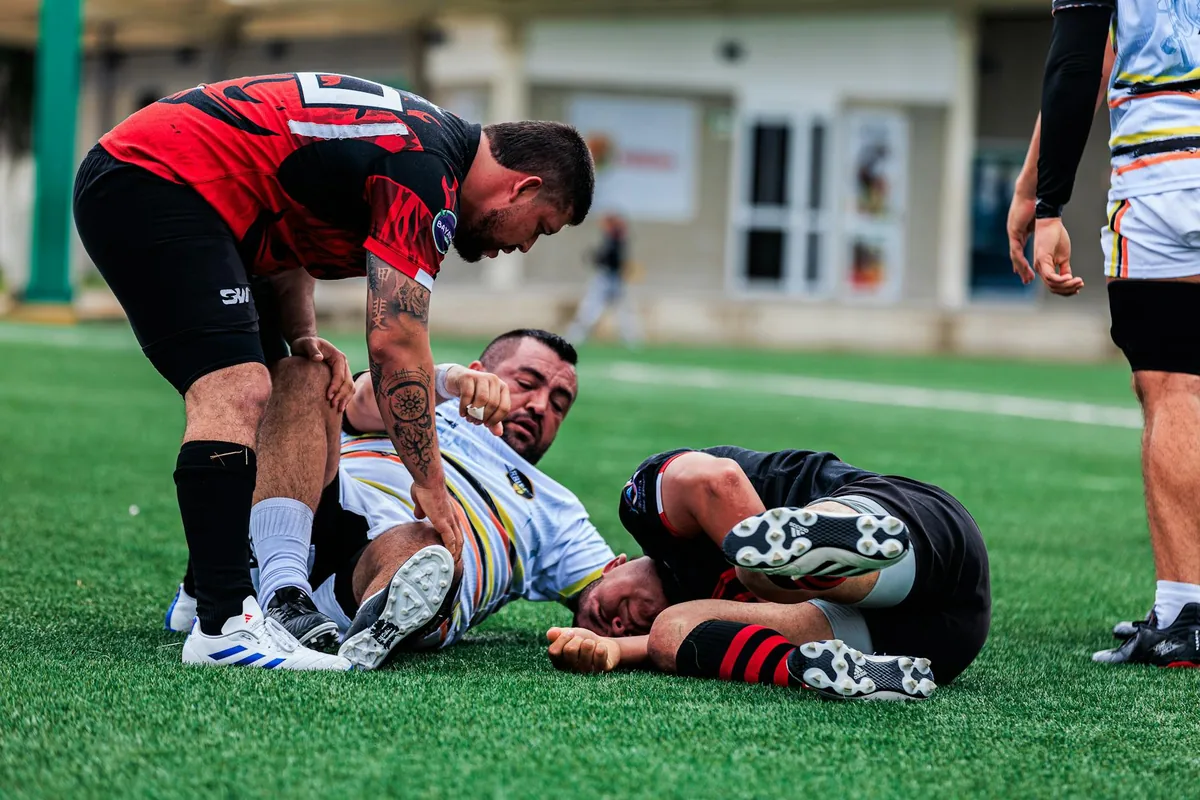
Fueling Performance: England Squad Nutrition and Training Regimens
The sight of England's rugby players performing at the peak of their powers for 80 minutes is no accident. It is the result of a meticulously planned and scientifically backed fusion of elite nutrition and cutting-edge training. For the modern England squad, what happens off the pitch is as critical as the game plan on it. This deep dive explores the dual pillars of performance: the sophisticated dietary strategies that fuel the engine and the rigorous, periodized training regimens that build the machine.
The Science of Nutrition: Fueling the Red Rose Engine
Nutrition for England's players is not about simple calorie counting; it's a precision tool for adaptation, recovery, and peak performance. The approach is highly individualized, tailored to a player's position, metabolism, training load, and even genetic predispositions. The core philosophy revolves around providing the right fuel at the right time.
Macronutrient Strategy: Building Blocks for Power and Endurance
The dietary plan is built on a foundation of macronutrients, each serving a distinct purpose. High-quality protein from sources like lean meats, fish, eggs, and plant-based alternatives is non-negotiable for muscle repair and synthesis, especially following the intense physical trauma of a match or contact session. Carbohydrates are not the enemy but the primary fuel source. Intake is carefully periodized—spiking around heavy training days and match days to replenish glycogen stores in muscles and the liver, and modulating during lighter periods. Healthy fats from avocados, nuts, seeds, and oily fish support hormone function, joint health, and cellular recovery.
Timing is Everything: The Art of Nutrient Periodization
England's nutritionists emphasize "nutrient timing" to maximize the body's response. The "golden hour" post-training is critical, with players consuming a blend of fast-acting carbohydrates and protein to kickstart recovery. Pre-match meals, typically consumed 3-4 hours before kickoff, focus on familiar, easily digestible carb sources like pasta, rice, or potatoes to top up energy stores. Hydration is a constant focus, with personalized fluid plans involving electrolytes to maintain cognitive function and physical performance, a factor especially crucial during intense battles like those seen in the tactical battles against Ireland.
Supplements and Recovery Nutrition
While whole foods form the bedrock, targeted supplements are used under strict guidance. These may include whey protein for convenience, creatine for power output, omega-3s for inflammation control, and vitamin D, especially during the winter Six Nations campaign. Sleep is treated as a key recovery component, and nutrition supports this—players might use tart cherry juice or magnesium to aid sleep quality, ensuring they wake up ready for the next day's grind. For more on the science behind their diet, explore our detailed piece on The Science of Nutrition.
Inside England's Elite Training Regimens
The training philosophy for the England squad is built on the principle of specificity—preparing the body for the exact demands of Test rugby. This involves a complex blend of strength, power, speed, endurance, and sport-specific skills, all periodized across the annual calendar.
Strength and Power Development
The gym is where raw power is forged. Training focuses on compound movements like squats, deadlifts, cleans, and bench presses to build foundational strength. However, the emphasis has shifted from pure mass to power-to-weight ratio and explosive strength. Plyometrics, Olympic lifting derivatives, and ballistic exercises train the nervous system to recruit muscle fibers rapidly—essential for a dominant scrum or a lineout launch. Programs are highly individualized; a prop’s regimen differs vastly from a scrum-half’s, reflecting their distinct in-game requirements.
Conditioning for the Modern Game
Rugby’s stop-start, high-intensity nature demands exceptional conditioning. England employs a mix of High-Intensity Interval Training (HIIT), repeated sprint ability work, and sport-conditioned games that mimic match scenarios. The goal is to improve a player's ability to repeat high-power efforts with minimal drop-off, a fitness level that can turn the tide in the closing stages of a tight contest, much like the greatest England comebacks in history. Aerobic capacity is also developed to underpin recovery between bursts and overall endurance.
Skills, Tactics, and Recovery Integration
Physical training is seamlessly integrated with on-field skills and tactical work. Conditioning drills often involve handling under fatigue, defensive pattern rehearsals, or set-piece execution. Crucially, recovery is programmed, not an afterthought. This includes mandatory mobility sessions, yoga, pilates, cryotherapy, hydrotherapy, and extensive physiotherapy. This holistic approach ensures players can withstand the cumulative load of a tournament and are physically prepared for unique challenges, such as the demands of away games.
Periodization: Peaking for the Pinnacle Events
The entire annual plan is structured around periodization—cycling training intensity and volume to ensure players peak for key competitions like the Six Nations and Rugby World Cup. The year is divided into phases: off-season (focus on strength and physical development), pre-season (intensified conditioning and skills integration), in-season (maintenance, tactical refinement, and match readiness), and active recovery.
During the Six Nations period, training micro-cycles are built around match weeks. The early part of the week focuses on recovery and tactical analysis from the previous game. Mid-week sessions ramp up in intensity with full-contact drills and set-piece work before tapering into a "captain's run"—a light, sharp session ahead of match day. This precise management is vital for maintaining performance across a grueling five-game tournament.
The Synergy of Mind and Body
Ultimately, England's approach recognizes that elite performance is an ecosystem. Optimal nutrition accelerates adaptation from training. Intelligent training increases the body's capacity to utilize nutrients. Both are underpinned by a professional mindset. The squad's culture, built on discipline and accountability, ensures these regimens are adhered to consistently, whether at a lavish training camp or during individual time at club level.
This integrated performance model, supported by experts from the Rugby Football Union (RFU), draws on global best practices. Organizations like the English Institute of Sport provide cutting-edge sports science support, while nutritional guidelines are informed by research from bodies like the International Society of Sports Nutrition.
For the England rugby squad, every meal and every training rep is a deliberate step towards being faster, stronger, and more resilient than the opposition. It is this unseen, daily commitment to excellence in nutrition and training that fuels the performances witnessed on the grandest stages, building the athletes capable of adding to England's trophy cabinet.