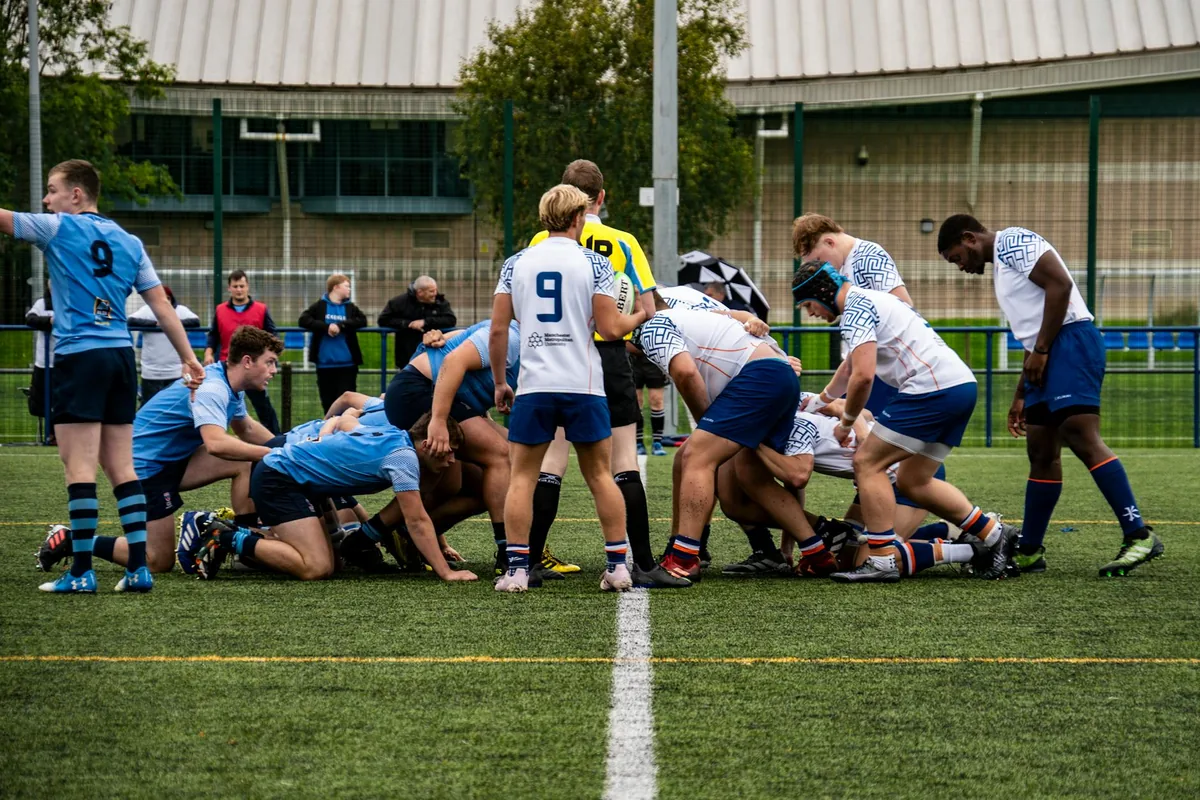
Squad Selection Controversies: Debating England's Six Nations Choices
The announcement of any England Six Nations squad is a moment that divides opinion, sparking fervent debate in pubs, on podcasts, and across social media. The selection for the 2024 tournament, coming off the back of a World Cup semi-final, was no different. Head coach Steve Borthwick faced the unenviable task of balancing experience with renewal, form with potential, and immediate needs with long-term vision. While every fan has their own opinion on the perfect 23, several key controversies emerged from the selection table, highlighting the difficult decisions at the heart of international rugby.
The Centres of Attention: Experience vs. Form
Perhaps the most heated debate surrounded the midfield. The omission of established stars like Henry Slade and Joe Marchant, who have been in exceptional form for their clubs, raised eyebrows. Slade, in particular, has been the creative heartbeat for Exeter, leading many to question how such a distributor was left out. Borthwick’s apparent preference for a direct, gain-line power game seems to have shifted the criteria, favoring players like Ollie Lawrence and Manu Tuilagi for their physical carrying. This decision will be scrutinized heavily, especially in games where creative unlocking is required, such as the upcoming England vs Ireland: Twickenham Showdown Preview. Does this selection signal a permanent tactical shift, or is it a horses-for-courses approach for specific Opponent-Specific Tactics?
The Back Row Conundrum: Balancing the Breakdown
England’s back-row resources are enviable, but that depth creates its own selection headaches. The inclusion of certain players over others often comes down to the specific balance Borthwick seeks for each fixture. The debate often pits pure openside fetchers against powerful, hybrid blindsides. With Tom Curry returning from injury, his battle for the seven shirt with the in-form Ben Earl—who excelled at number eight during the World Cup—creates a fascinating dynamic. The choices here will directly impact England’s effectiveness at the Breakdown Battle. Furthermore, the role of the number eight and the balance between carrying and linking play remains a point of discussion, with fans and pundits alike delving into detailed England Squad Depth Analysis to make their cases.
Half-Back Hierarchy: Defining the Game Management
The half-back pairing is the engine room of any team’s strategy. With Owen Farrell taking a break from international rugby, a major leadership and playmaking void needed filling. The selection of George Ford as the likely starting fly-half was widely expected, but the subsequent pecking order sparked debate. Marcus Smith’s inclusion as a fly-half/full-back hybrid option suggests a desire for tactical flexibility and Bench Impact. However, questions remain about how his specific skill set will be deployed. Will he be the starter in a more expansive game plan, or is he viewed primarily as a finisher? The answers may vary depending on the opponent, as outlined in our England's Six Nations Fixtures: Game-by-Game Analysis.
Bolters and Omissions: The Future is Now?
Every squad announcement features "bolters" – uncapped or inexperienced players selected ahead of more established names. This year was no exception. The selection of certain players from clubs outside the traditional "top" Premiership sides was a welcome sight for many, suggesting selection is truly based on form. However, for every bolter celebrated, there is a player left out who feels hard done by. These decisions are never taken lightly and are often the result of intense scrutiny in the England Training Squad Updates. The development of these new faces is crucial, as explored in our feature on Player Pathways: How England Develops Six Nations Talent.
The Bigger Picture: Building Towards 2027
It is crucial to view any squad selection not in isolation, but as part of a four-year World Cup cycle. While the Six Nations is a prestigious trophy in its own right, Borthwick’s choices undoubtedly have one eye on developing depth and experience for the 2027 tournament in Australia. Some controversial omissions of older players may be designed to accelerate the development of their successors. This long-term vision is a constant tension in international rugby, where the demand for immediate results clashes with the need to build for the future. Understanding this evolution is key, as detailed in England Squad Evolution: How Selection Has Changed Over the Years.
Ultimately, the proof of any selection will be in the performance on the pitch. The controversies will rage until the first whistle blows at the Stadio Olimpico or Twickenham. What is undeniable is that Steve Borthwick has chosen a squad he believes can execute his England's Game Plan. Whether these debated calls are inspired or misguided will be revealed under the intense pressure of the Six Nations championship. For the latest insights and expert opinions on these selections, be sure to read our Expert Reaction: Analyzing England's Six Nations Squad Announcement and follow all the build-up to every match, starting with the Six Nations 2024: Complete Tournament Preview.
For further official squad details and player statistics, visit the authoritative source at EnglandRugby.com. Additionally, for in-depth analysis and commentary from the rugby media, RugbyPass offers comprehensive coverage of the selection debates and tournament prospects.