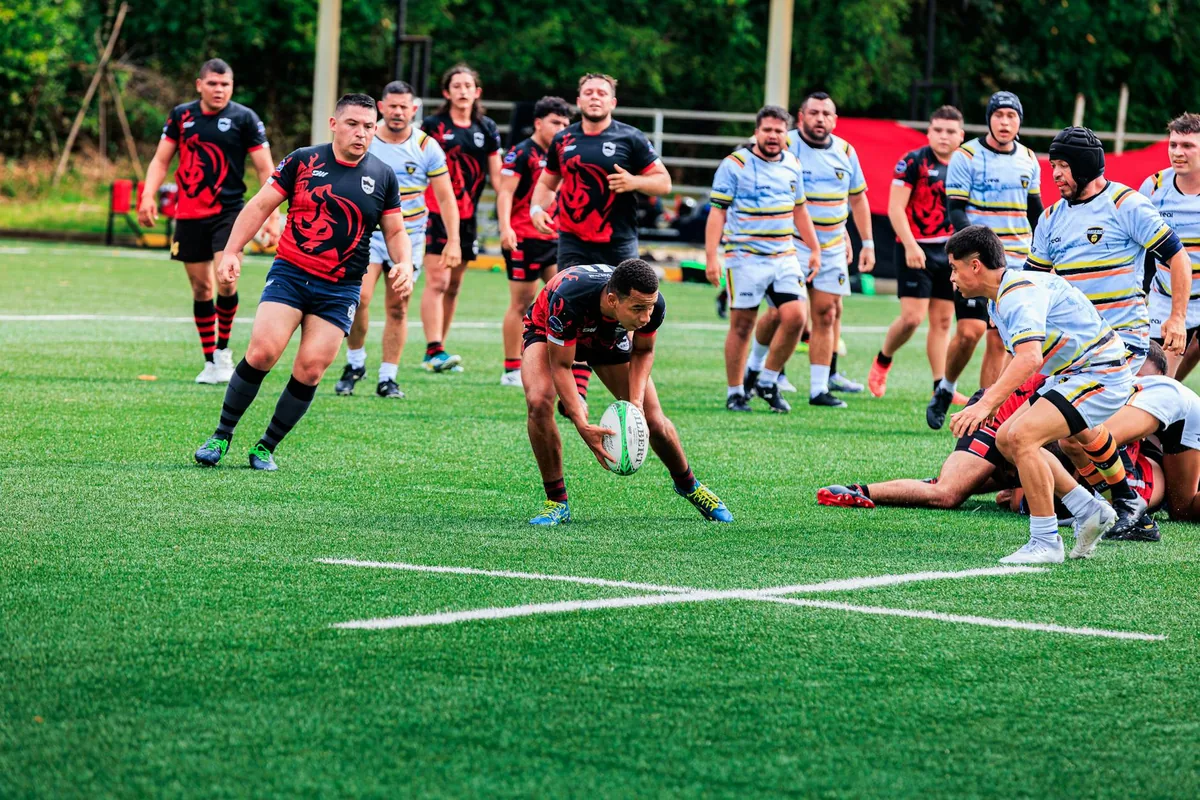
The Engine Room of Excellence: Inside England's Leadership Group
Beyond the captain's armband lies a more intricate and powerful structure: the leadership group. For the England rugby team, this collective is the true engine room of decision-making, culture-setting, and on-field execution. It is a dynamic unit that blends experience with emerging voices, tasked with translating the coaching staff's strategy into a living, breathing ethos that can withstand the immense pressure of international rugby. Understanding this group is key to understanding how England prepares, performs, and evolves.
The Composition and Hierarchy of Influence
England's leadership group is not a fixed committee with a static membership. Its composition is fluid, often expanding during training camps and condensing for match days. At its core sits the captain, the primary conduit between the coaches and the players, and the final voice in on-pitch decisions. Supporting the captain are the vice-captains, typically seasoned players who provide counsel and can assume command seamlessly. However, the group's true strength extends further, incorporating senior players whose positional expertise and respect within the squad grant them significant influence.
This might include the scrum-half, who acts as a tactical general, the tighthead prop who commands the set-piece, or a centurion in the back row whose experience is invaluable. The selection for this expanded circle is based on more than just caps; it hinges on emotional intelligence, tactical understanding, and the innate respect they command from peers. For a deeper look at how leadership styles have shaped the team's history, explore our analysis of England's Six Nations Captaincy.
Key Roles Within the Collective
While informal, specific roles often emerge organically within the leadership collective:
- The Strategist: Often the fly-half or scrum-half, this player is deeply involved in dissecting opposition patterns and refining game management plans.
- The Set-Piece Marshal: A forward, usually the hooker or a lock, who takes ownership of lineout calling and scrummaging technicalities.
- The Cultural Guardian: A senior figure who embodies the team's core values, helps integrate new caps, and upholds standards off the field.
- The Emotional Barometer: A player who can read the squad's mood, inject energy when needed, or provide calm heads during high-pressure moments.
Decision-Making: From the Training Pitch to Match Day
The decision-making process within England's setup is a collaborative cascade. It begins with the coaching staff, led by the Head Coach, who sets the overarching tactical framework and strategic goals. This framework is then handed to the leadership group for interrogation and refinement. The group debates its implementation, considering player feedback, on-field realities, and potential opponent counter-strategies.
On match day, this collaboration shifts into a faster gear. While the captain makes the final call on pivotal moments—such as whether to kick for touch or posts—those decisions are informed by constant, rapid dialogue with key lieutenants. The fly-half will advise on territory, the forwards will assess set-piece dominance, and the vice-captain might read the referee's interpretations. This distributed leadership model ensures decisions are multifaceted and resilient, a critical factor in navigating the intense pressure of tournaments like the Six Nations. The ability to manage these high-stakes moments is honed through specific game management strategies.
Forgging Team Culture and Identity
Perhaps the leadership group's most profound impact is felt off the field, in the intangible realm of team culture. This group is responsible for turning a squad of individuals from diverse clubs into a unified national team with a shared identity. They establish the non-negotiable standards—in training intensity, professionalism, and mutual accountability—that define the England environment.
They play a crucial role in building team chemistry, organizing bonding sessions, and ensuring that every player, from the most capped veteran to the newest debutant, feels valued and understands their role. In times of adversity, such as after a difficult loss or during an injury crisis, it is this group that must reinforce belief, recalibrate focus, and protect the squad's collective mindset. Their work in this area is foundational to the team's resilience and long-term success.
Evolution and Modern Challenges
The concept of a leadership group has evolved significantly. The old model of a single, autocratic captain has given way to this more democratic, specialist-driven approach. Modern rugby's complexity demands it. Today's leaders must also navigate challenges their predecessors did not face: the intense scrutiny of social media, player welfare management, and a more diverse squad with varied backgrounds and perspectives.
The modern leadership group must be adept at communication across all levels, fostering an inclusive environment where every player feels they have a voice. This evolution is supported by advanced data analytics that inform decisions, but the human elements of trust, motivation, and emotional intelligence remain irreplaceable. The group's ability to integrate these modern tools with timeless leadership principles is a key benchmark of its effectiveness.
The Impact on Performance and Legacy
The efficacy of England's leadership group is ultimately measured in performance and legacy. A cohesive, decisive leadership unit can be the difference between winning a tight Test match and losing it. Their preparation influences critical moments in historic fixtures, such as the meticulous planning for away games in hostile environments like Cardiff or Dublin.
Furthermore, they are the custodians of England's rugby legacy. They bridge the past and the future, instilling in younger players the pride and responsibility that comes with wearing the white shirt. By mentoring the next generation of leaders, they ensure the team's culture and competitive standards endure beyond any single tournament cycle. Their work lays the groundwork for future triumphs, whether in the Six Nations or on the global stage, as detailed in our Rugby World Cup preparation analysis.
In conclusion, England's leadership group is the strategic and cultural nexus of the national team. It is a sophisticated system designed to harness collective wisdom, empower players, and build an environment where excellence can flourish. Its silent, steady work in the shadows often provides the platform for the moments of brilliance we see in the spotlight at Twickenham and beyond.
For authoritative insights into elite sports leadership and team dynamics, the work of organizations like The High Performance Centre offers valuable external perspective, while World Rugby's player welfare protocols underscore the modern duty of care that today's leaders must balance with performance demands.