Injury Management: England Rugby's Player Welfare Protocols
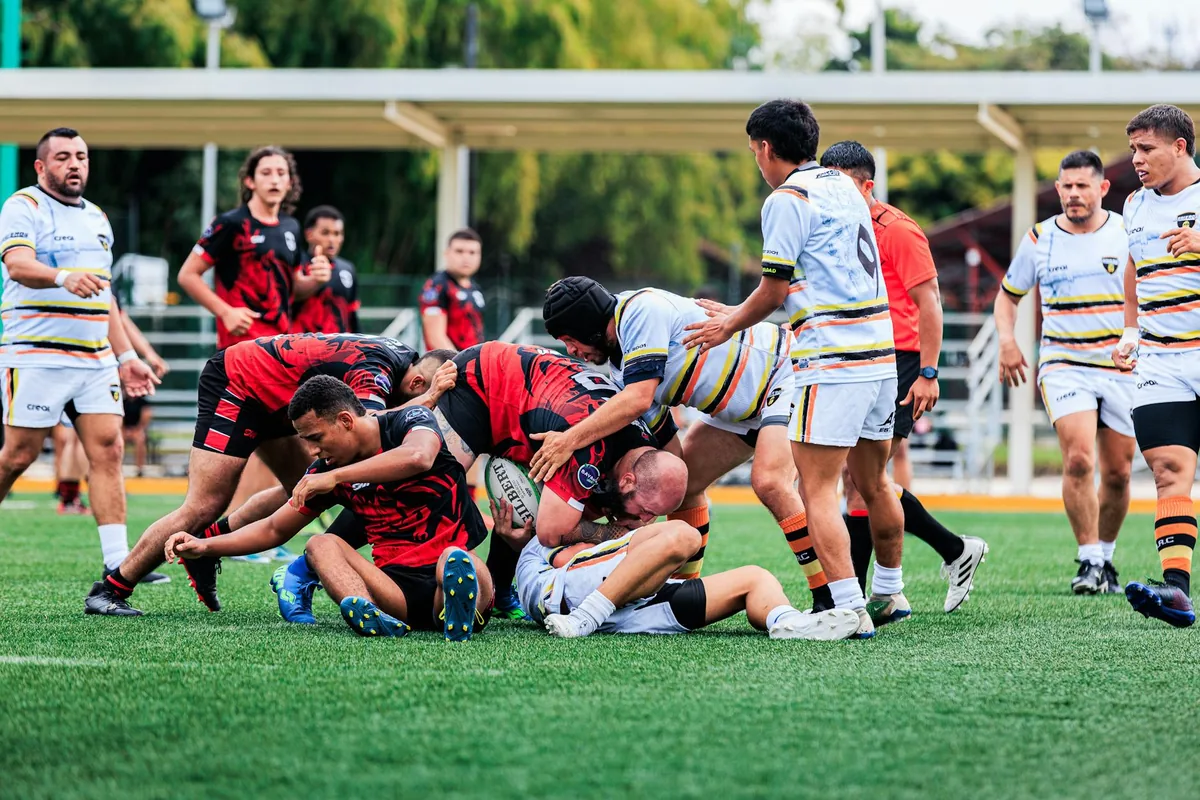
In the high-impact world of international rugby, managing player welfare is not just a reactive process but a sophisticated, proactive science. For the England rugby squad, injury management protocols represent a critical pillar of performance, designed to protect the nation's most valuable assets—its players. These comprehensive systems, blending cutting-edge medical science with meticulous planning, ensure athletes are not only rehabilitated from setbacks but also fortified against them, maintaining squad depth and competitive edge throughout gruelling campaigns like the Six Nations Championship.
The Multi-Disciplinary Medical Team
At the heart of England's approach is a world-class multi-disciplinary team. This unit extends far beyond the team doctor and physiotherapists to include specialist surgeons, soft tissue specialists, strength and conditioning coaches, nutritionists, and psychologists. This collaborative model ensures every aspect of a player's recovery and readiness is addressed. Decisions are never made in isolation; the medical team works in lockstep with the coaching staff, led by the England Head Coach, to align rehabilitation timelines with tactical preparation and squad needs. This integration is vital for managing the delicate balance between player health and team performance.
Immediate On-Field Response and Diagnosis
The protocol activates the moment a player goes down. Pitch-side medical staff, including doctors and physios, conduct rapid initial assessments using standardized tools like the Head Injury Assessment (HIA) protocol for concussions. For musculoskeletal injuries, immediate care focuses on stabilization and pain management. Crucially, players are then referred for advanced diagnostic imaging, typically MRI scans, within 24 hours to obtain a precise diagnosis. This speed and accuracy are fundamental to crafting an effective, individualized recovery plan and avoiding the pitfalls of misdiagnosis.
Personalized Rehabilitation Pathways
No two injuries or athletes are the same. England's medical team develops bespoke rehabilitation programs for each player, often in conjunction with their club's medical staff under the Professional Game Agreement (PGA). These pathways are phased, moving from initial rest and tissue healing through to controlled loading, sport-specific movement, and finally, contact integration and return to play. Technology plays a key role, with GPS tracking, force plate analysis, and biometric monitoring used to objectively measure progress and ensure the player is meeting key strength and mobility benchmarks before advancing to the next stage.
Prevention: The First Line of Defence
While treatment is essential, prevention is the ultimate goal. England's injury management strategy is deeply proactive, rooted in the elite fitness and conditioning programs that players follow year-round. Prehabilitation—targeted exercises to strengthen vulnerable areas like hamstrings, shoulders, and necks—is a daily staple. Training loads are meticulously monitored and periodized to avoid spikes that increase injury risk, especially during intense periods like Six Nations fixtures. Nutritional strategies to optimize recovery and musculoskeletal health are also a core component, detailed in the squad's dedicated nutrition science protocols.
Load Management and Player Monitoring
Continuous player monitoring is a non-negotiable aspect of the protocol. Daily wellness questionnaires, sleep tracking, and heart rate variability (HRV) measurements provide subjective and objective data on a player's readiness to train. This data informs daily decisions on training intensity and volume, allowing staff to tailor workloads or prescribe additional recovery. This individualized load management is crucial for mitigating non-contact injuries and ensuring players peak for match day, whether at Twickenham or during challenging Six Nations away games.
The Return-to-Play Protocol
Clearing a player for full competition is a rigorous, multi-stage process. After completing their clinical rehabilitation, players must pass a series of graded performance tests. These assess not just fitness, but rugby-specific skills under fatigue and pressure. The final and most critical phase is a graduated return to contact training, often using specially designed equipment and controlled scenarios to rebuild confidence. The decision to select a returning player is made jointly by the medical team, conditioning staff, and coaches, with the player's long-term health always taking precedence over short-term gain.
Psychological Support and Long-Term Welfare
England Rugby recognises that injury is a mental challenge as much as a physical one. Psychologists are embedded within the support team to help players cope with the frustration of rehabilitation, fear of re-injury, and the pressure to return. This holistic support is part of building the resilient team culture and core values that define the squad. Furthermore, the RFU has a long-term commitment to player welfare beyond their international careers, with programs supporting education, career transition, and ongoing medical care for former players. The Rugby Football Union's official site provides further insight into their overarching player welfare strategy.
Communication and Transparency
Managing external expectations is another key element. The RFU typically provides structured injury updates and squad availability reports to keep fans and media informed without compromising player privacy or medical confidentiality. This transparent communication helps manage speculation and allows supporters to understand the timeline for a key player's return, which can be a significant factor in tournaments like the Six Nations 2025. For the latest in sports medicine research that often informs such protocols, authoritative resources like the British Journal of Sports Medicine are instrumental.
Conclusion: A Culture of Care
England Rugby's injury management protocols are a testament to a modern, athlete-centred approach to high performance. They represent a seamless blend of prevention, cutting-edge treatment, and holistic support, all underpinned by a culture that prioritizes the player's well-being as the foundation of sustained success. By investing so comprehensively in these systems, England not only aims to keep its best players on the field but also to extend their careers and ensure they thrive long after the final whistle. This meticulous attention to welfare is what enables the squad to consistently compete at the highest level, pursuing Six Nations trophies and other honours with a fit, resilient, and protected group of athletes.