Inside England Squad's Fitness and Training Regimens
The physical demands of modern international rugby are immense, requiring players to be supreme athletes capable of explosive power, relentless endurance, and robust durability. The fitness and training regimens of the England rugby squad are meticulously designed scientific programs, evolving constantly to meet these demands and gain a competitive edge. This deep dive explores the core components that forge the world-class conditioning of England's elite players.
The Pillars of Physical Preparation
England's training philosophy is built on a multi-faceted approach, balancing strength, power, speed, and conditioning. This holistic strategy ensures players are not just strong, but also agile, fast, and capable of performing at high intensity for the full 80 minutes of a test match.
Strength and Power Development
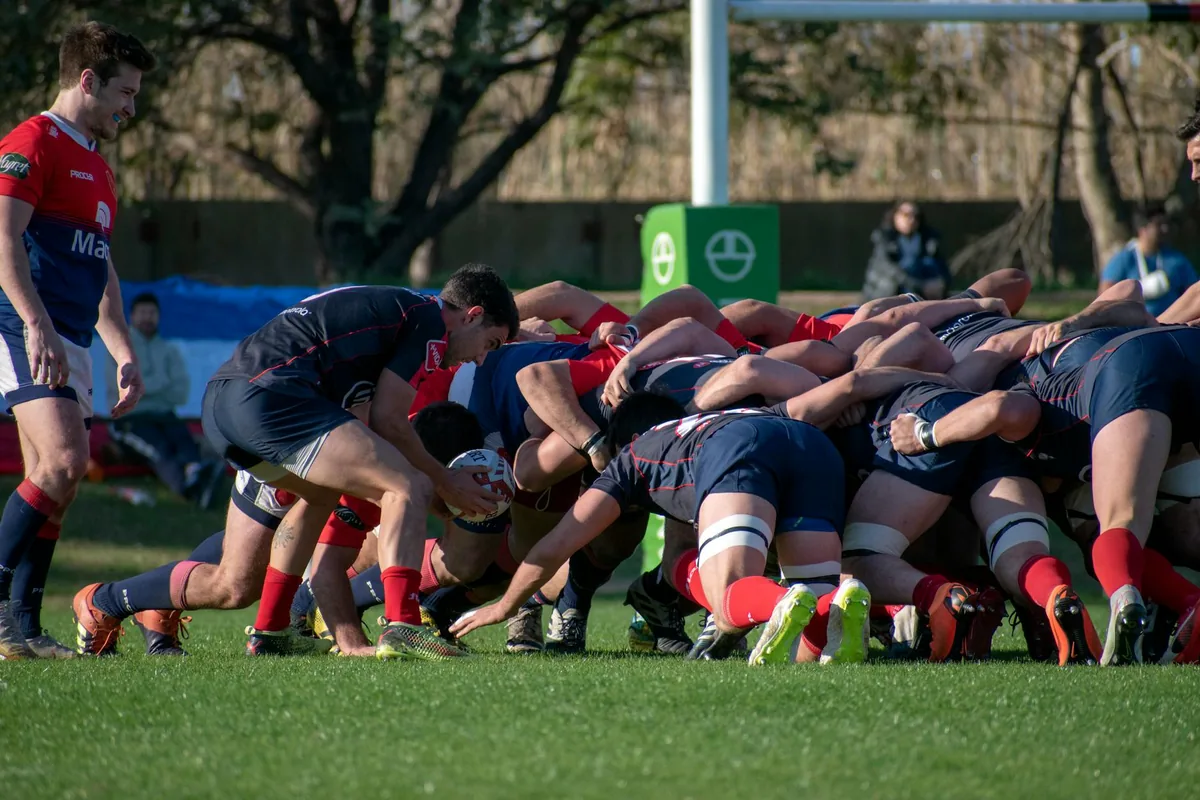
The foundation of any rugby player's physical profile is strength. England's strength programs, often periodized around the competition calendar, focus on compound movements like squats, deadlifts, bench presses, and Olympic lifts. These exercises build the foundational muscle and tendon resilience needed for the collision-heavy nature of the sport. Power development—the ability to exert force rapidly—is equally critical. This is trained through plyometrics, medicine ball throws, and dynamic lifting, translating directly to scrum engagement, lineout jumping, and explosive tackling.
Speed, Agility, and Conditioning
Rugby is a game of repeated sprints and rapid changes of direction. Speed work is tailored to position-specific requirements, with wingers focusing on pure acceleration and top-end speed, while forwards work on short-burst power over 5-20 meters. Agility drills enhance a player's ability to evade defenders and realign in defense. The conditioning element, often the most grueling, is designed to boost aerobic and anaerobic capacity. High-Intensity Interval Training (HIIT) mimicking game scenarios—such as repeated 40-meter sprints with minimal recovery—is a staple, ensuring players can maintain technique and decision-making under fatigue.
Injury Prevention and Mobility
Preventing injury is as important as building performance. A significant portion of training is dedicated to prehabilitation—strengthening muscles around vulnerable joints like knees, shoulders, and ankles. Programs incorporate extensive mobility and flexibility work, using dynamic stretching, yoga, and Pilates-inspired routines to maintain range of motion. This focus on durability is crucial for player availability throughout a long season, directly impacting England's injury management and recovery protocols and overall squad depth.
Integration with Technical and Tactical Training
Fitness is never developed in isolation. The most effective training integrates physical conditioning with rugby-specific skills. This is known as "conditioned games" or "skill under fatigue." Sessions might involve multi-phase attack drills with a high work-rate demand, or defensive sets where players must make tackle after tackle before realigning. This method ensures that the fitness developed in the gym translates directly to improved performance on the pitch under match-like pressure, a key component of England's strategic game management.
The Role of Nutrition and Recovery
Elite training is fuelled by elite nutrition. England's nutritionists create individualized plans to support each player's metabolic needs, training load, and body composition goals. Macronutrient timing—ensuring the right balance of carbohydrates, proteins, and fats before, during, and after sessions—is critical for performance and muscle repair. Hydration strategies are also scientifically monitored. Recovery is treated with the same importance as training itself. This includes mandated sleep protocols, cryotherapy, compression garments, hydrotherapy, and targeted massage. These practices are essential for reducing inflammation, facilitating muscle repair, and ensuring players can train consistently at high intensity. For a detailed look at this vital aspect, explore the science of nutrition for the England squad.
Data and Technology in Modern Training
The England setup leverages cutting-edge technology to personalize and optimize training. GPS vests worn during every session track metrics like total distance, high-speed running, accelerations, and collision load. This data allows coaches to manage individual workloads, identify players at risk of overtraining, and ensure peak physical readiness for match day. Force plates and velocity-based training tools in the gym provide instant feedback on power output, allowing for precise adjustments to lifting technique and load. This data-driven approach is integral to how analytics shape England's tactical and physical preparation.
Periodization: Peaking for the Biggest Occasions
Training intensity and focus are not constant; they are carefully periodized. The annual plan is broken into phases: off-season (hypertrophy and base conditioning), pre-season (high-intensity rugby-specific conditioning), in-season (maintenance and recovery focused around matches), and peak phases for tournaments like the Six Nations Championship or a Rugby World Cup. The art lies in gradually building fitness while managing fatigue, so players arrive at key fixtures in optimal physical condition, ready to execute the game plan at maximum intensity.
Conclusion: A Culture of Excellence
The fitness and training regimens of the England rugby squad represent a relentless pursuit of marginal gains. It is a blend of proven training principles, advanced sports science, and individualized care, all embedded within a professional culture that values hard work and discipline. This comprehensive system does more than build athletes; it builds resilience, fosters a collective mindset geared toward performance, and provides the physical platform upon which England's tactical playing style can succeed. As the sport continues to evolve, so too will these regimens, ensuring England's players remain at the forefront of world rugby's physical demands.
For authoritative insights into sports science and athlete conditioning, resources from organizations like UK Coaching and research published by the British Journal of Sports Medicine often detail the principles underpinning elite athletic preparation.