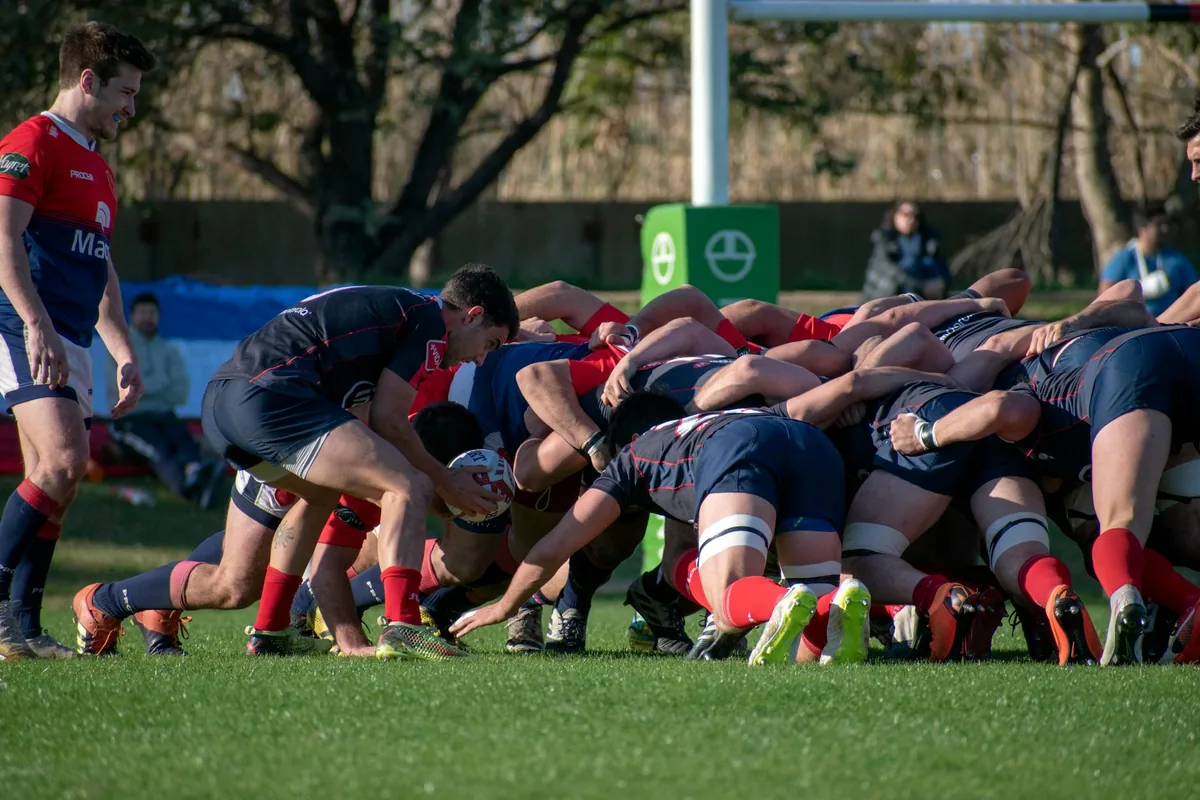
England Rugby Youth Development: Academy Updates and Prospects
The future of English rugby is being forged today in the elite environments of the RFU's academy system. This structured pathway, a collaboration between the Rugby Football Union and the Gallagher Premiership clubs, is the critical engine room for producing the next generation of international stars. With the 2027 Rugby World Cup on the horizon, the focus on youth development has never been sharper. This article provides the latest updates from England's academy landscape and profiles the most exciting prospects poised to make the leap to the senior squad.
The Structure of England's Player Pathway
England's youth development system is a multi-layered funnel designed to identify, nurture, and challenge talent from a young age. It begins with the England Rugby Academy, comprising 14 regional academies aligned with Premiership clubs. Players typically enter at age 16-18, balancing education with intensive rugby training. The most promising then progress to the England Under-20s, a crucial stepping stone where they face international competition, such as the annual Six Nations U20 Championship and the World Rugby U20 Trophy. Success at this level is a strong indicator of future senior potential, as seen with numerous current England Rugby Stars who honed their skills here.
The pathway is not linear, and the Gallagher Premiership's role is indispensable. Academy players train with senior club squads, and earning Premiership minutes is the ultimate academy graduation test. This club-and-country synergy ensures players are battle-hardened in one of the world's most physically demanding domestic leagues before donning the white jersey at Twickenham.
Latest Academy Updates and Strategic Shifts
The RFU and Premiership clubs are continuously refining the academy model. Recent focus has intensified on position-specific development, particularly for tight-five forwards, and enhancing the transition from the U20s to the senior professional game. There is a growing emphasis on creating robust injury prevention programs within academies to ensure young athletes can withstand the rigors of the modern game.
Another key update is the increased integration of sports science and data analytics. Academies now employ sophisticated tracking and biometrics to monitor player load, technical execution, and recovery, personalizing development plans for each prospect. This data-driven approach helps in making informed decisions about when a player is ready for the next challenge, a process detailed in our analysis of how analytics shape England's tactical decisions.
Furthermore, the pathway for talented school leavers has been strengthened, with clearer links between the RFU's Developing Player Programme (DPP) and the senior academies. This ensures no potential star slips through the net due to geographical or socio-economic barriers.
Notable Academy Graduates Making Waves
The proof of the system's effectiveness is in its output. Recent years have seen a surge of academy products establishing themselves at the highest level. Players like Marcus Smith (Harlequins academy), Freddie Steward (Leicester Tigers academy), and Raffi Quirke (Sale Sharks academy) have seamlessly transitioned to become key figures for both club and country. Their journeys from academy prospects to test-match regulars exemplify the pathway's success in producing players ready for international rugby's demands.
Top Prospects to Watch for 2024 and Beyond
The talent pipeline remains rich. Here are some of the most talked-about prospects currently in the England pathway, who could be pressing for senior inclusion in the coming years.
- Chandler Cunningham-South (Back-row, Harlequins): A powerful, dynamic flanker/no.8 who has already made a significant impact in the Premiership. His ball-carrying and breakdown work mark him as a future test-match athlete.
- Fin Smith (Fly-half, Northampton Saints): A commanding playmaker with excellent game-management skills and a reliable kicking game. His performances for Saints have drawn comparisons to a young Owen Farrell.
- Immanuel Feyi-Waboso (Wing, Exeter Chiefs): The explosive winger, now capped by England, is the archetypal modern finisher—powerful, fast, and difficult to stop. His rapid rise from university rugby to the international stage highlights the pathway's flexibility.
- Greg Fisilau (Back-row, Exeter Chiefs): A relentless, hard-carrying number eight with a high work rate. His performances for England U20s and Exeter have showcased a maturity beyond his years.
- Ollie Sleightholme (Wing, Northampton Saints): Possessing electrifying pace and a proven try-scoring record in the Premiership, he is knocking loudly on the door of the senior England setup.
For a broader look at emerging talent, explore our dedicated feature on England Rugby's Rising Stars to Watch in 2024.
The Critical Role of the England U20s
The England U20s team is more than just an age-grade side; it is a finishing school for international rugby. Competing in the U20 Six Nations and World Championship exposes players to high-pressure, knockout-style rugby against their global peers. The program focuses not just on physical and technical development, but also on cultivating the leadership and mental resilience required at test level. Many of England's recent new caps in 2024 have credited their U20s experience as foundational to their rapid adaptation.
The RFU's commitment to this level is evident in its structure, with dedicated coaches and support staff mirroring the environment of the senior men's team. This seamless transition is vital for building a cohesive future squad, a strategy that has long-term benefits for England's Rugby World Cup preparation cycles.
Challenges and Future Directions
Despite its strengths, the system faces challenges. The financial pressures on Premiership clubs can impact academy funding, and there is constant competition from other sports for athletic talent. Furthermore, managing the "second contract" for players transitioning from academy to senior squad is a delicate phase, crucial for retention.
Looking ahead, England Rugby is placing greater emphasis on mentorship roles for senior players to guide academy prospects. There is also a strategic push to develop more "hybrid" players with the skillset to cover multiple positions, adding valuable flexibility to future squads. The integration of these young talents into the senior team is a delicate art, a process we analyze in depth in our article on Youth Integration in the Six Nations.
Conclusion: Building for Sustained Success
England's rugby youth development system is a sophisticated and evolving machine. By combining world-class coaching, cutting-edge sports science, and competitive opportunities at the U20 and Premiership levels, it aims to produce not just skilled rugby players, but complete athletes prepared for the mental and physical rigors of test rugby. The current crop of academy updates and emerging prospects suggests the future is bright. As these young talents continue their journey from academy settings to potentially iconic venues like Twickenham Stadium, they carry with them the investment and hopes of a nation eager to see England rugby thrive on the world stage for years to come. For the latest official information on pathways and programs, visit the England Rugby Pathway page, and for global context on age-grade rugby, the World Rugby U20 website provides valuable insight.