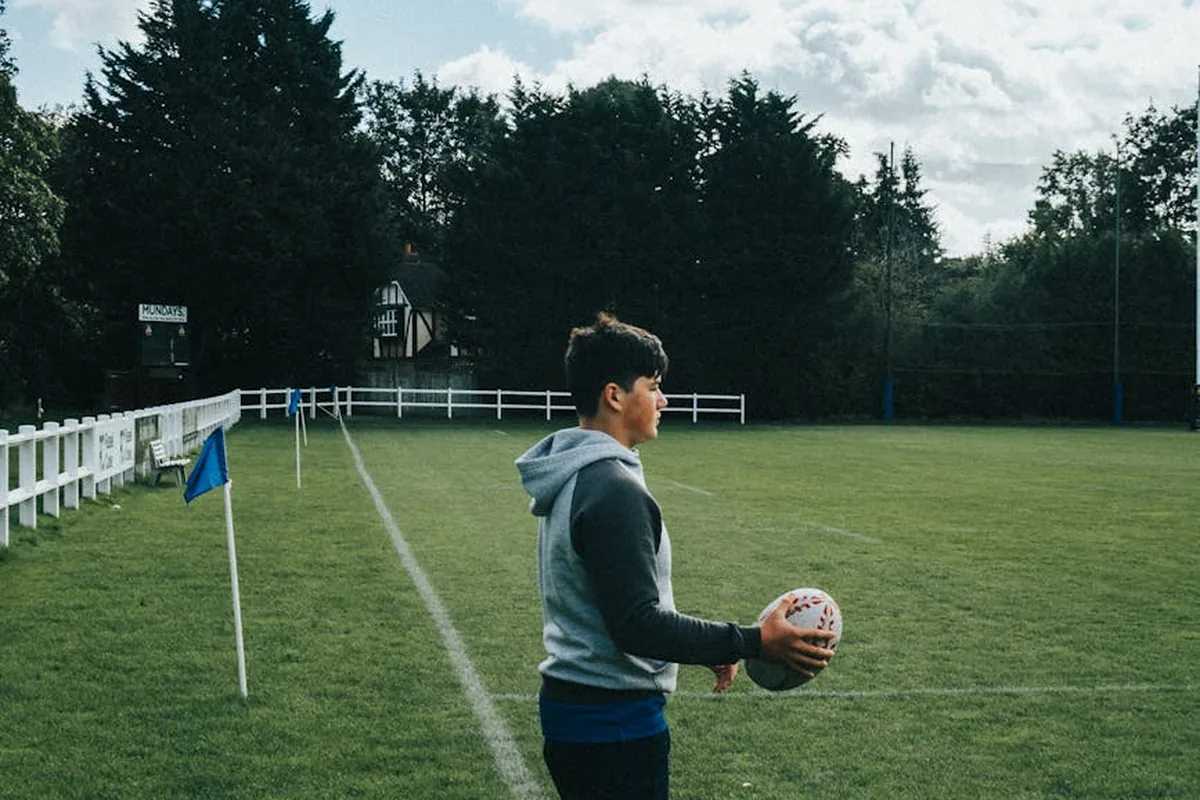
News on England Rugby Youth Development Programs
The future of English rugby is being forged today in academies, age-grade tournaments, and development pathways across the country. The RFU's youth development programs are the critical engine room, tasked with identifying, nurturing, and preparing the next generation of international stars. Recent strategic shifts and emerging talent are painting an exciting picture for the years ahead, directly feeding into the senior squad's long-term ambitions, including the Road to the 2027 Rugby World Cup.
Strategic Evolution of the Academy Pathway
The transition from the old Academy system to the new 'Professional Game Academy' (PGA) structure represents the most significant overhaul in years. This collaborative model between the RFU and Premiership clubs aims to create a more unified and higher-quality national standard for player development. The focus is on producing robust, intelligent, and versatile players ready for the physical and tactical demands of the modern professional game.
Key to this is an increased emphasis on game understanding and decision-making under pressure, rather than just physical prowess. Academies are now integrating more match-simulated training and competitive fixtures against other PGA sides to bridge the gap between academy rugby and the senior Premiership. This holistic approach ensures that when players are ready to step up, they are not just athletes, but complete rugby players. Understanding this journey from a young age is fascinating, as detailed in our feature on From Academy to International: England Players' Development Pathways.
England U20s: A Crucible of Future Talent
The England U20s team remains the most visible and successful barometer of youth development. Their performances in the annual Six Nations U20 Championship and the World Rugby U20 Championship are closely watched. Success at this level, such as recent strong showings, indicates a healthy pipeline. Coaches at this level work intensively on translating raw talent into the specific skills and game management required for Test rugby.
The step from U20s to the senior squad is being managed with increasing care. The introduction of 'shadow squads' and aligned training camps allows promising U20s to experience the environment and standards set by head coach Steve Borthwick and his staff. This seamless integration is vital for building depth and ensuring the Current England Rugby Stars have capable challengers for their positions, driving standards across the board.
Notable U20 Graduates Making Waves
The proof of any system is in the players it produces. Recent years have seen a steady flow of U20 stars transitioning to senior rugby. Players like flanker Chandler Cunningham-South, who impressed on the senior summer tour, and fly-half Fin Smith, are direct products of this pathway. Their ability to adapt quickly to the intensity of Test rugby validates the technical and tactical groundwork laid in the age-grade setup. For more on the newest faces pushing for selection, explore our guide to England Rugby's Rising Stars to Watch in 2024.
Focus on Position-Specific Excellence
Modern youth development is moving away from a one-size-fits-all model. Specialized coaching for key positions is a growing trend. There is a recognized need to develop skilled scrum-halves with a crisp pass, tactically astute fly-halves, dynamic ball-carrying locks, and mobile front-rowers. Programs are increasingly tailored, with dedicated coaches for forwards and backs, and even further specialization for positions like hooker or fly-half.
This focus ensures that England continues to produce world-class operators in every department. For instance, the development of props who are as effective in open play as they are in the scrum is a priority, reflecting the evolution of the global game. The technical foundations for such excellence are explored in our analysis of The Art of Scrum Dominance: England's Technical Excellence at the Set Piece.
Integration with the Senior Squad: The "Next Gen" Approach
A defining feature of the current regime is the intentional exposure of young talent to the senior environment. This is not limited to the U20s. Promising players from the Premiership are regularly invited to train with the England squad during designated camps, even if they are not yet in contention for a cap. This serves multiple purposes: it accelerates their development, familiarizes them with the systems and culture, and allows the coaching staff to assess their character and adaptability firsthand.
This strategy of early integration is crucial for building the squad depth needed to compete on multiple fronts. It ensures that when injuries occur or rotation is needed, new caps are not thrown in completely cold. The process of Integrating Newcomers: How England's New Caps Adapt to International Rugby is therefore smoother and more strategic.
Community and School Links: Widening the Talent Pool
Elite pathways depend on a broad and healthy grassroots foundation. The RFU continues to invest in partnerships with schools and clubs to identify talent early and provide quality coaching. Initiatives like the 'All Schools' program aim to introduce rugby to state schools, ensuring the sport accesses the widest possible pool of athletes. This community-focused work is essential for the long-term sustainability of the game and for uncovering hidden gems who may not come from traditional rugby nurseries.
Furthermore, the relationship between the Premiership academies and their local clubs is stronger than ever, creating a clear local-to-national pathway. This ecosystem ensures that a talented player in Cornwall or Cumbria has a visible route to the top. The journey from these beginnings is captured in our article, From Grassroots to International: England Players' Rugby Journeys.
Challenges and Future Outlook
The pathway is not without its challenges. The physical toll on young bodies is a constant concern, leading to enhanced focus on athletic development, load management, and injury prevention protocols aligned with those used by the England Rugby's Comprehensive Injury Prevention and Management Program. Additionally, retaining talent in the face of financial allure from other leagues requires a compelling sporting project and clear opportunity for progression.
Looking ahead, the focus will be on refining the PGA model, enhancing the transition from U20s to senior rugby, and continuing to produce players with the tactical flexibility and resilience to win at the highest level. The success of these programs will be measured not just by trophies at age-grade level, but by the consistent flow of ready-made talent into the England senior team, sustaining the legacy of English rugby for generations to come. For the latest on emerging talent, keep an eye on our dedicated Future Stars: Latest News from England Rugby Youth Academies.
For further insight into elite player development frameworks, the official World Rugby Player Development resources provide a global context. Additionally, the RFU's own participation pages detail the grassroots programs that feed the elite pathway.