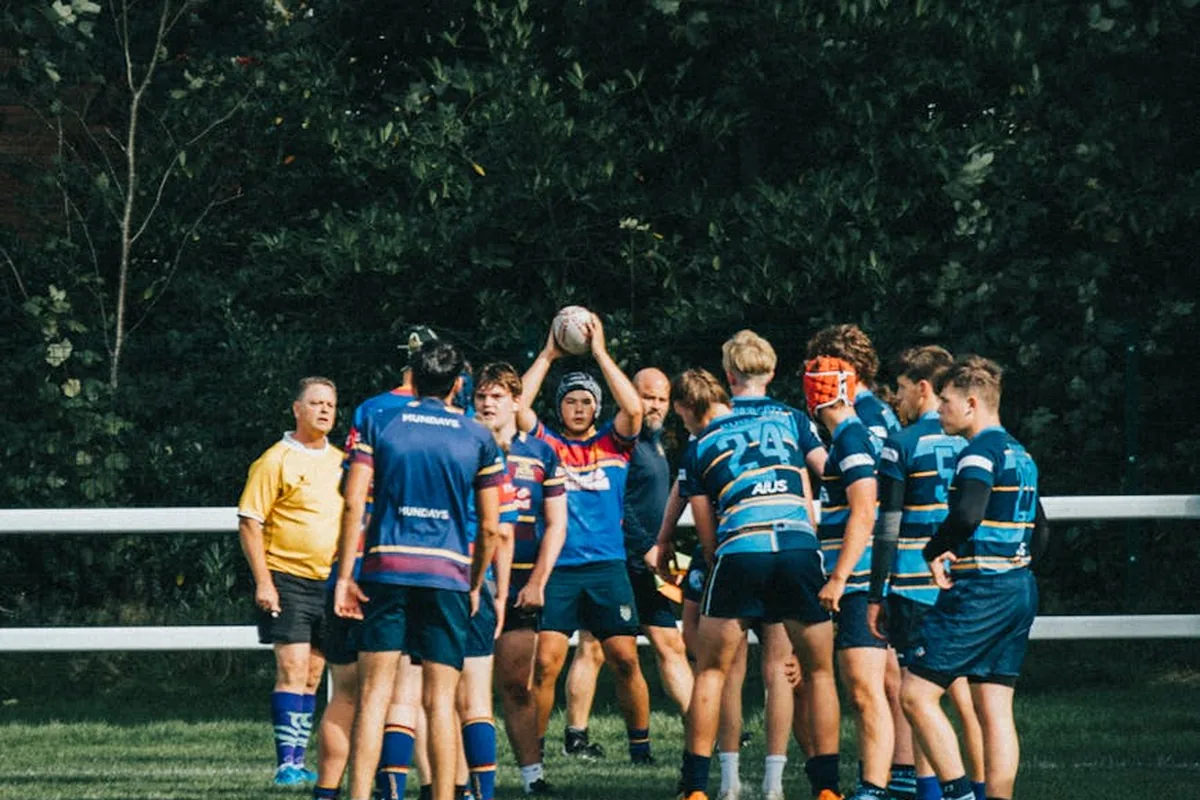
Future Stars: Latest News from England's Youth Development Programs
The lifeblood of any successful national rugby team is a robust and forward-thinking youth development system. For England Rugby, the continuous evolution of its academy pathways and age-grade programs is not just about finding the next superstar; it's about building a sustainable pipeline of talent equipped to thrive at the highest level. This article delves into the latest news, emerging trends, and standout prospects from the heart of England's youth development ecosystem.
The Pathway Structure: From School to Senior Squad
England's player development framework is a multi-layered system designed to identify and nurture talent. It begins with the England Rugby Developing Player Programme (DPP), which scouts players aged 14-18 from schools and clubs. The most promising then progress into the Premiership Rugby Academy system, affiliated with the top-tier clubs. The pinnacle of the youth pathway is the England U20s team, a crucial proving ground where players experience a near-international environment, competing in the Six Nations U20 Championship and the World Rugby U20 Championship.
Recent strategic reviews have emphasized greater alignment between the RFU, Premiership clubs, and Championship sides. The goal is a more cohesive journey, reducing friction as players transition from academy rugby to senior club rugby and, ultimately, the international stage. This integrated approach is vital for preparing players for the unique pressures of representing England, a topic explored in depth in our analysis of how new caps integrate into England's squad.
Standout Performers and Recent Successes
The 2024 season has already highlighted several young players making significant strides. The England U20s' campaign in the Six Nations showcased a new generation of talent, with particular strength appearing in the back row and midfield. These players are not just talents for the future; they are pushing for recognition in senior club squads, demonstrating the pathway's effectiveness.
Beyond the U20s, the England Rugby Sevens program continues to be a vital alternative development route. The condensed, high-skill format accelerates player decision-making and spatial awareness. With the 2024 Paris Olympics on the horizon, the Sevens squad has become a hotbed for developing raw athleticism and game intelligence, skills that are increasingly transferable to the 15-a-side game. The program's focus is detailed in our feature on the England Sevens road to the 2024 Olympics.
Academy Highlights and Player Spotlights
Across the Premiership academies, specific players are generating buzz. Tighthead props with dynamic ball-carrying ability, rangy locks with exceptional lineout skills, and versatile outside backs are positions of notable depth. The emphasis from coaches is on developing "complete" players—individuals who are physically robust, technically proficient, and tactically intelligent. This holistic development is crucial, as the modern game demands players who can excel in multiple facets of play, a principle central to how England players have adapted their roles over the years.
Strategic Innovations and Coaching Developments
England's youth development is not standing still. There is a pronounced shift towards position-specific coaching at earlier stages, ensuring technical mastery is built on a solid foundation. Furthermore, the integration of advanced data analytics and biometrics is becoming standard. Monitoring workload, tracking fitness gains, and even using video analysis for tactical education are now embedded in academy programs.
Another key area of focus is player welfare and life skills. Academies are increasingly providing support for education, mental resilience training, and financial management. The objective is to develop well-rounded individuals who can handle the professional rugby environment's demands, a philosophy that underpins the entire system. For a look at how these principles apply at the senior level, explore our article on psychological strategies in England's rugby squad.
These innovations are often spearheaded by dedicated coaching teams. For the latest on the minds shaping the next generation, readers can follow England Rugby coaching staff updates and appointments.
Challenges and the Road Ahead
The pathway is not without its challenges. The physical toll of the sport, intense competition for places, and the need to balance rugby development with personal growth are constant considerations. There is also an ongoing effort to widen the talent net, ensuring the system is accessible and representative across all regions and backgrounds.
Looking forward, the focus is squarely on the 2025 and 2027 World Cup cycles. The players currently in the U18 and U20 setups are being groomed with these tournaments in mind. Their development will be carefully managed through a blend of club game time, targeted international experience at age-grade level, and specialized training camps. The long-term planning for the senior team's future is encapsulated in our preview of the road to the 2027 World Cup.
How to Follow the Progress
For fans eager to track the progress of England's future stars, several resources are available:
- Premiership Rugby TV and Club Channels: Watch for academy player debuts and "Cup" competition matches.
- RFU Digital Platforms: The official England Rugby website and social media channels provide coverage of U20 and age-grade internationals.
- Specialist Media: Outlets like RugbyPass and The Rugby Paper often feature in-depth analysis of emerging talent and academy news.
The journey from a local club to Twickenham is long and demanding. England's youth development programs are the essential engine of that journey, meticulously designed to turn potential into performance. By investing in these future stars today, England Rugby is building the foundation for sustained success on the world stage for years to come.