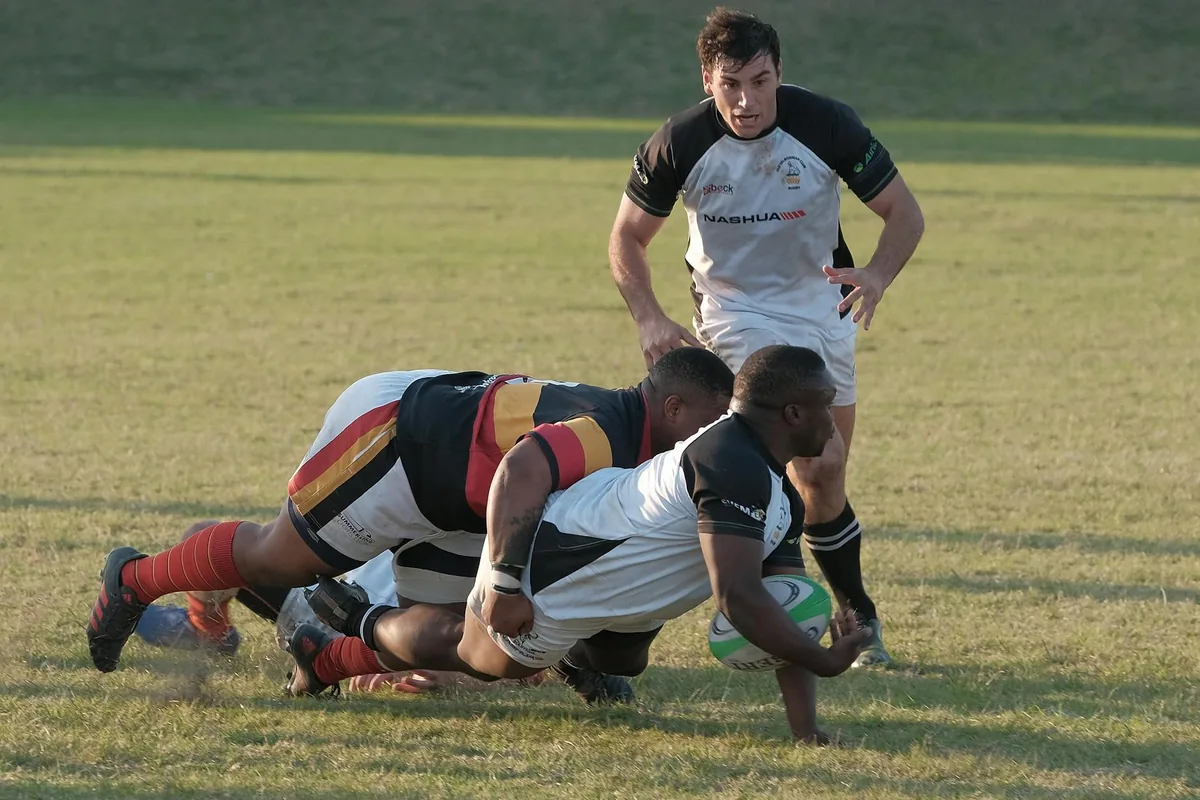
Latest from England's Training Camps: Inside the Red Rose's Preparations
The heartbeat of England Rugby’s progress doesn’t just echo through the roar of Twickenham on match day; it’s forged in the quiet intensity of the training ground. As the squad cycles through various camps in preparation for the Autumn Nations Series and the long road to the 2027 Rugby World Cup, these sessions are where tactics are drilled, chemistry is built, and the next generation is integrated. This is your exclusive look at the latest developments, strategic focuses, and emerging stories from inside England’s training camps.
Strategic Focus: Sharpening the Set-Piece and Game Management
Recent camps have placed a laser focus on the foundational elements of forward dominance and tactical control. Under the watchful eyes of the coaching staff, the set-piece has been a primary area of refinement. The lineout, in particular, is undergoing subtle evolution, with new calls and decoy movements being integrated to challenge the defensive reads of top-tier opponents like Ireland and France. This work builds directly on England’s historical set-piece excellence, aiming to provide a stable platform in all conditions.
Equally critical is the emphasis on game management. With a blend of experienced heads and newer faces in key decision-making positions, scenarios are being relentlessly rehearsed. Coaches are simulating high-pressure closing stages of matches, drilling the squad on when to play for territory, when to raise the tempo, and how to clinically close out tight games—a skill that will be vital in the upcoming Autumn Nations Series.
Integrating New Talent and Managing Workloads
A constant theme in any England camp is the balance between established stars and fresh blood. The process of integrating new caps is a carefully managed operation. Newcomers are not only tested physically and tactically but are also immersed in the squad’s culture and communication systems. This ensures that when called upon, they can slot into the defensive structure and attacking patterns seamlessly, a testament to the clear pathways outlined in our guide to England's squad selection process.
Parallel to this is a sophisticated approach to player welfare. England’s injury management protocols are world-class, involving tailored training loads, advanced recovery technology, and constant monitoring by the medical and performance teams. The goal is to peak for Test matches while minimizing the risk of soft-tissue injuries that can derail campaigns, ensuring key players are available for crucial fixtures like those in the Six Nations schedule.
Rising Stars Catching the Eye
Every camp throws up a few names that generate buzz among the coaching staff. While specific selections remain under wraps, the environment is designed to push every player. Young forwards are being challenged to add nuance to their carrying and breakdown work, while emerging backs are tested on their defensive positioning and execution under fatigue. This competitive pressure is essential for building the depth required to challenge for the top prizes in world rugby.
The Leadership Dynamic and Evolving Culture
With any squad, leadership extends far beyond the captain’s armband. Inside the camp, the leadership group dynamics are pivotal in setting standards and driving daily intensity. Senior players are taking active roles in mentoring younger counterparts, particularly in unit skills sessions for the front row, back row, and half-backs. This player-led culture of continuous improvement is a cornerstone of head coach Steve Borthwick’s philosophy, fostering a resilient and self-policing environment.
This culture is further solidified off the field through structured squad bonding activities. While often kept private, these sessions are designed to build the trust and understanding that translates into intuitive play on the pitch. The cohesion built during these camps is what often underpins the team’s ability to navigate the intense pressure of tournaments.
Innovation in Training Methods and Analysis
England’s training camps are laboratories for innovation. The use of data analytics has become increasingly sophisticated. GPS tracking, collision metrics, and real-time performance data are not just collected but actively used to tailor individual drills and provide immediate feedback. This allows coaches to move beyond subjective assessment to objective, evidence-based player development.
Furthermore, technology like wearable sensors and immersive video analysis is commonplace. Players can review their positioning and decision-making from multiple angles almost instantly, accelerating the learning process. The Rugby Football Union (RFU) often shares insights into these advancements through its official channels, highlighting the professional approach to preparation. For a global perspective on high-performance innovation in rugby, resources like World Rugby’s performance resources provide valuable context.
Looking Ahead: From Camp to Competition
The ultimate measure of any training camp’s success is performance when the whistle blows. The patterns rehearsed, the fitness honed, and the bonds strengthened are all geared towards specific challenges. The lessons learned and systems polished in these secluded environments will be tested first in the Autumn internationals, serving as a critical benchmark for the squad’s development.
This cyclical process of camp preparation and Test match review is the engine of England’s progress. As the squad builds towards the next Six Nations campaign and beyond, each training gathering is a stepping stone. The work done now on refining the defensive organization or integrating new attacking shapes is an investment in future triumphs, keeping England on track in their long-term World Cup preparation.
For fans wanting to dive deeper into the technical aspects being developed, analysis from experts at outlets like The Rugby Paper often provides detailed breakdowns of England’s evolving tactical approach.