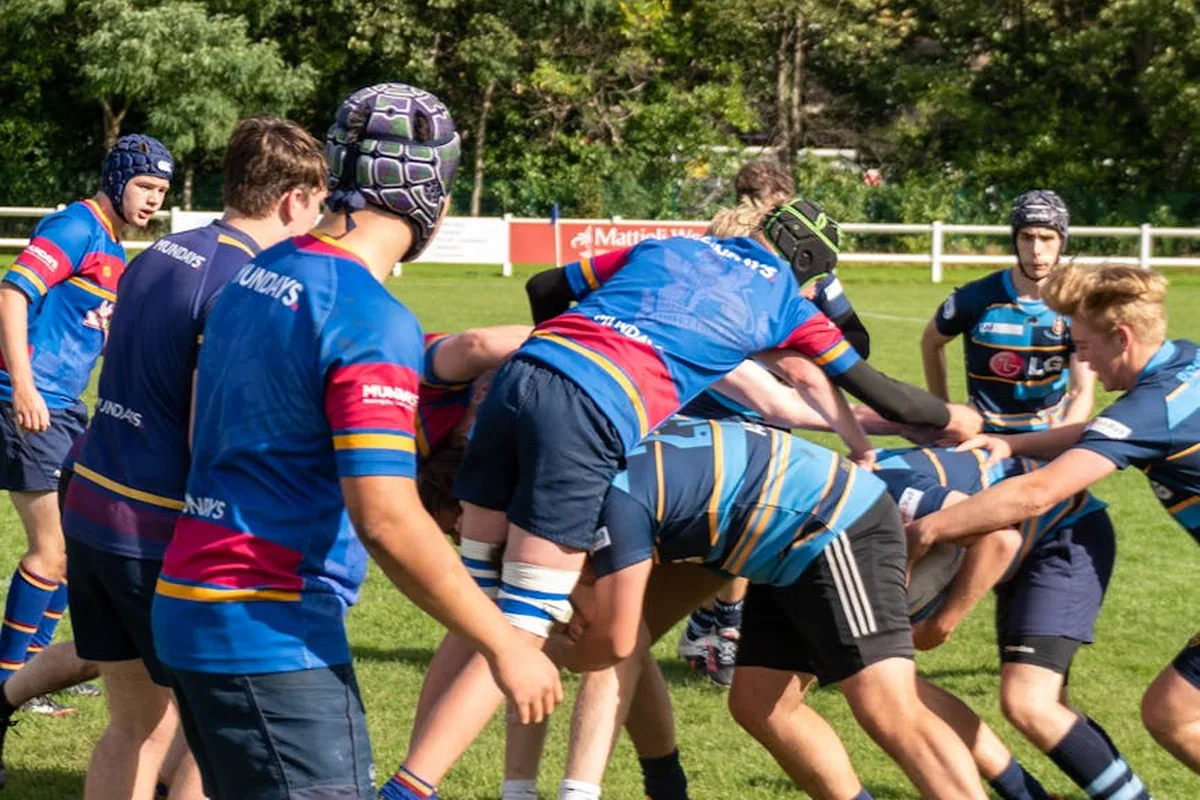
Technology in England Rugby: Latest Adoptions in Performance Analysis and Training
The pursuit of marginal gains has become a defining feature of elite rugby, and the England national team is at the forefront of integrating cutting-edge technology. Moving far beyond simple video review, the modern setup at Pennyhill Park employs a sophisticated ecosystem of hardware and software designed to optimize player performance, refine tactics, and accelerate development. This deep dive explores the latest technological adoptions shaping how England prepares for and executes on the rugby field.
The Data-Driven Performance Engine
At the core of England's technological revolution is an insatiable appetite for quantifiable data. Every training session and match generates terabytes of information, which is processed to build a comprehensive picture of individual and team performance.
Advanced Player Tracking and Wearables
GPS (Global Positioning System) vests are now standard issue, but the sophistication of the data they provide has exploded. Modern units, often integrated into players' training tops, track far more than just distance covered. They monitor real-time metrics such as acceleration, deceleration, metabolic power, and high-speed running load. This allows the strength and conditioning team to tailor workloads with pinpoint accuracy, minimizing injury risk while maximizing fitness. Crucially, this data informs England's comprehensive injury prevention and management program, helping to manage player welfare across a grueling season.
Computer Vision and Automated Analysis
Perhaps the most significant leap forward is the use of computer vision and artificial intelligence. Multiple high-definition cameras positioned around the training pitch and stadiums feed video into AI-powered software. This technology can automatically tag events—identifying every ruck, pass, tackle, and linebreak without human input. This automation frees analysts from hours of manual coding, allowing them to focus on deeper tactical insights. Coaches can instantly query the system: "Show me all lineouts where we lost possession in the last three games," or "Analyze the speed of our defensive line speed in the final quarter." This level of data-driven analysis shapes England's tactical decisions with unprecedented speed and precision.
Immersive Training and Cognitive Development
Technology is not just about measuring physical output; it's increasingly used to train the mind and simulate match scenarios.
Virtual Reality (VR) and Simulation
England players regularly don VR headsets to step into immersive training environments. A fly-half can practice goal-kicking at a virtual Murrayfield, complete with crowd noise and wind conditions fed from historical data. Forwards can rehearse complex lineout calls against a digitally rendered defensive setup. This technology is invaluable for integrating new caps, allowing them to learn systems and familiarize themselves with stadium atmospheres before ever setting foot on the pitch. It accelerates the cognitive processing required for international rugby, where decision-making under fatigue is paramount.
Biometric Feedback and Neurotraining
Wearable technology now extends to monitoring physiological and neurological states. Heart rate variability (HRV) sensors help assess readiness to train and manage stress levels. Some players use neurofeedback devices that measure brainwave activity to train focus and recovery states, a key component of the team's broader psychological strategies. By quantifying mental fatigue and resilience, the coaching staff can better manage the holistic load on athletes.
Technical Skill Enhancement and Rehabilitation
From honing core skills to recovering from injury, technology provides bespoke solutions.
Smart Equipment and Biomechanics
Smart rugby balls embedded with sensors can provide instant feedback on spin rate, velocity, and point of contact, helping kickers and passers refine their technique. In the scrum, force plates and sensor-embedded machines provide objective data on engagement power and stability, feeding directly into the pursuit of technical excellence at the set piece. Motion capture suits, while more commonly used in labs, offer detailed biomechanical analysis to optimize running and tackling techniques, reducing injury risk.
Advanced Rehabilitation Tech
When injuries do occur, technology accelerates the return-to-play pathway. Anti-gravity treadmills allow players to run at a reduced percentage of their body weight early in rehabilitation. Hydrotherapy pools with underwater treadmills and cameras enable coaches to analyze running gait without impact. Isokinetic dynamometers provide objective strength measurements, ensuring a player's injured limb meets strict benchmarks before returning to contact. These tools are integral to the protocols detailed in our injury management and recovery guide.
Strategic Implementation and Communication
The true power of this technology lies not in its collection, but in its communication. England uses sophisticated data visualization platforms to present complex information in an instantly digestible format. Interactive dashboards on tablets allow players to review their personal performance data alongside video clips. Post-match, the analysis team can quickly produce edited video playlists—for the team, the forwards, the backs, or individuals—that are instantly pushed to a secure player portal. This seamless flow of information ensures that insights from tools like lineout analysis software are translated directly into on-field execution.
The integration of these technologies also plays a vital role in game management and decision-making for the leadership group. Real-time data on opposition patterns, fed to the sideline, can influence pivotal substitution and tactical calls during the heat of a high-pressure comeback attempt.
The Future and Ethical Considerations
The trajectory points toward even greater integration. The potential for real-time augmented reality (AR) overlays in players' goggles, providing live tactical cues, is on the horizon. Predictive analytics, using machine learning to forecast opposition plays based on situational data, will become more refined.
However, this tech-driven approach brings challenges. Data overload is a real risk; the art of coaching lies in selecting the most impactful information. Player privacy and data security are paramount, as is ensuring technology complements rather than replaces the fundamental human elements of teamwork, intuition, and spirit that define contests like the historic Calcutta Cup rivalry. The RFU and Premier Rugby must continue to collaborate on consistent data standards and ethical frameworks, as explored in our look at the Premiership's development role.
England's embrace of technology, from GPS to AI, represents a holistic performance model. It enhances physical preparation, sharpens tactical acumen, accelerates skill acquisition, and safeguards player welfare. As these tools evolve, they will remain a critical component in England's quest for success on all fronts, including the upcoming campaigns outlined in our Six Nations 2025 preview. For further insight into how technology is shaping sports science globally, authoritative resources like the National Institutes of Health publish peer-reviewed studies on athlete monitoring, while organizations like World Rugby provide guidelines on the ethical use of technology in the sport.