England Player Pathways: From Academy to International Rugby
The journey from a promising young rugby player to pulling on the white jersey of England is a demanding and meticulously structured odyssey. England's player development pathway is a world-class system designed to identify, nurture, and prepare talent for the ultimate test: international rugby. This article breaks down the key stages of this pathway, from the grassroots academies to the pinnacle of the senior squad, explaining how future stars are forged.
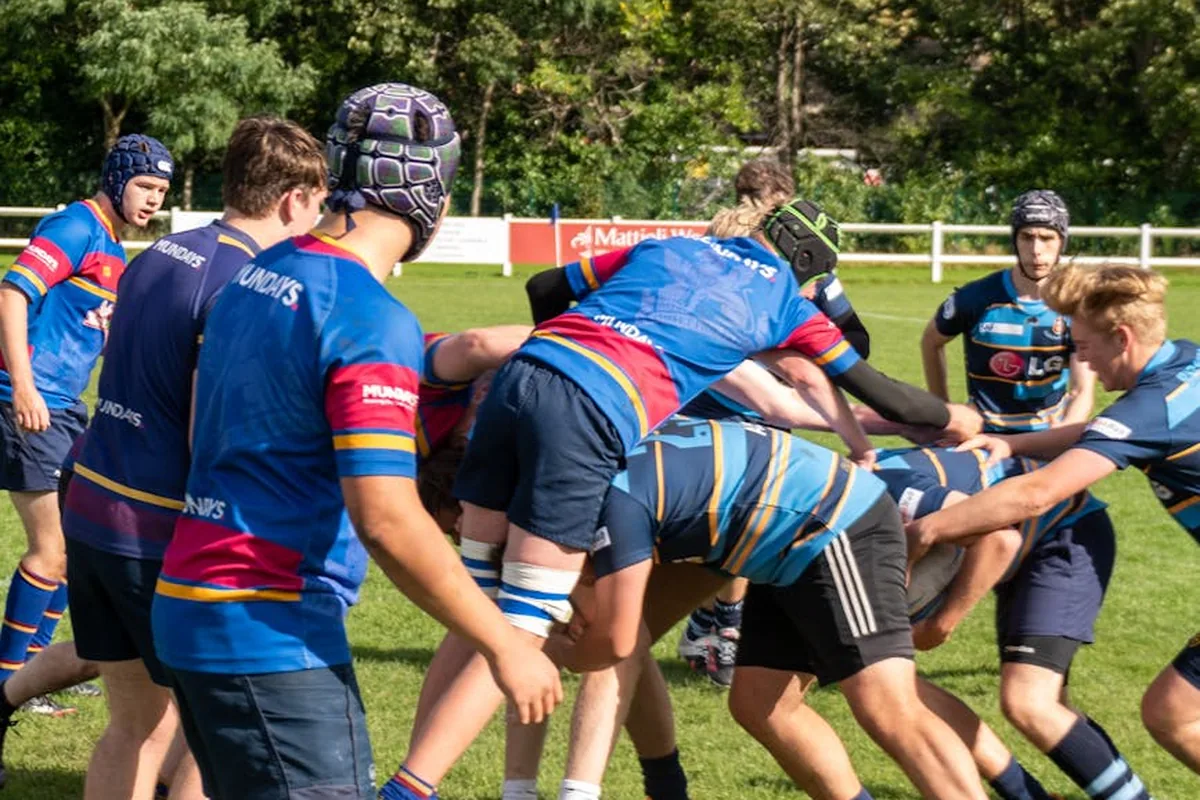
The Foundation: Age-Grade Rugby and Academies
The pathway begins long before a player is a household name. The Rugby Football Union (RFU) operates a comprehensive age-grade system, starting with county and regional representation at Under-16 and Under-18 levels. The most significant formal entry point, however, is the academy system attached to the 10 professional Gallagher Premiership clubs.
These academies, such as those at Leicester Tigers, Saracens, and Harlequins, scout talent nationally. Selected players, typically from age 16-18, enter a dual-career environment balancing education with intensive rugby development. The focus here is holistic: technical skills, tactical understanding, physical conditioning, nutrition, and mental resilience are all cultivated under expert guidance. Success at this level often leads to representation for England Age Grade Rugby teams, a critical stepping stone.
The Role of the Premiership and Championship
The domestic league structure is the engine room of player development. The Gallagher Premiership provides the primary proving ground. Academy graduates aim to earn senior club contracts and secure regular first-team minutes. The physicality and pace of the Premiership are unparalleled in the northern hemisphere, offering the perfect preparation for Test rugby.
Competition for places is fierce, and performance is closely monitored by England's national team scouts and coaches. The RFU Championship also plays a vital role, offering valuable game time for developing players, often through dual-registration agreements with Premiership clubs. This ecosystem ensures a constant flow of match-hardened talent. For a deeper look at this crucial stage, explore our article on The Gallagher Premiership: England's Premier Domestic Competition and Talent Pathway.
The Bridge to International Rugby: England U20s and Saxons
Excellence at the club level opens the door to the national age-grade setup, most prominently the England U20s team. Competing in the annual Six Nations U20 Championship and the World Rugby U20 Championship, this team is a direct feeder to the senior side. It is here that players first experience the demands of international camp environments, high-pressure tournaments, and the specific tactical systems employed by England.
Many of England's current stars, from Maro Itoje to Marcus Smith, honed their skills and built winning mentalities on the U20s stage. The now-revived England 'A' team (historically known as the Saxons) provides another crucial tier, allowing players on the cusp of the senior squad to experience a full international environment against other nations' second teams, bridging the final gap to Test rugby.
Senior Squad Integration and Debut
The final leap into the England senior squad is the culmination of the pathway. Selection is based on sustained club form, positional need, and the specific tactical blueprint of the head coach. The process is rigorous, as detailed in our guide Inside England Rugby's Squad Selection: Criteria and Decision-Making Process.
A first call-up to a training camp is a major milestone. Newcomers must rapidly adapt to the heightened intensity, complex game plans, and leadership structures. Integration is carefully managed, with senior players often mentoring new caps. The debut itself is a monumental moment, often coming during the Autumn Nations Series or the Six Nations Championship. Managing this transition is key, a topic we explore in Integrating Newcomers: How England's New Caps Adapt to International Rugby.
Continuous Development and Performance Management
Earning a cap is not the end of the pathway; it's a new phase of continuous development. Players work within the England squad's elite performance system, which includes:
- Specialized Coaching: Position-specific coaching from world-class specialists in areas like scrum, lineout, and kicking.
- Advanced Sports Science: Tailored strength and conditioning, nutrition plans, and recovery protocols to optimize performance and reduce injury risk.
- Game Management: Deep tactical analysis and preparation for specific opponents, honing the skills needed to control Test matches.
The RFU and clubs collaborate closely on player welfare through the Professional Game Agreement (PGA), managing workloads through mandatory rest periods and structured season planning to ensure longevity.
Challenges and Evolution of the Pathway
The pathway is not without its challenges. Injury management is a constant concern, with the physical toll of the professional game requiring robust injury prevention and management programs. The financial pressures on Premiership clubs can also impact game time for young players. Furthermore, the system must continually evolve tactically to keep pace with the global game, as seen in the World Rugby's ongoing law trials and welfare initiatives.
The pathway also now recognizes the value of varied experience. Some players benefit from stints in other top leagues, such as New Zealand's NPC or Japan's League One, gaining new perspectives and skills before returning to the England fold. This global outlook ensures England's players are versatile and adaptable.
Conclusion: A System Built for Sustained Success
England's player pathway is a sophisticated and multi-layered talent factory. It successfully transforms raw potential from school and club rugby into the finished product ready for the international arena. By combining elite academy training, competitive domestic leagues, structured age-grade international experience, and a seamless integration process into the senior squad, the RFU has built a model designed for sustained success. The ultimate proof is on the pitch, where graduates of this system continue to compete at the highest level, striving to add to England's Grand Slam history and future World Cup campaigns.
For more on the individuals who have traveled this road, read about England Rugby's Rising Stars to Watch in 2024.