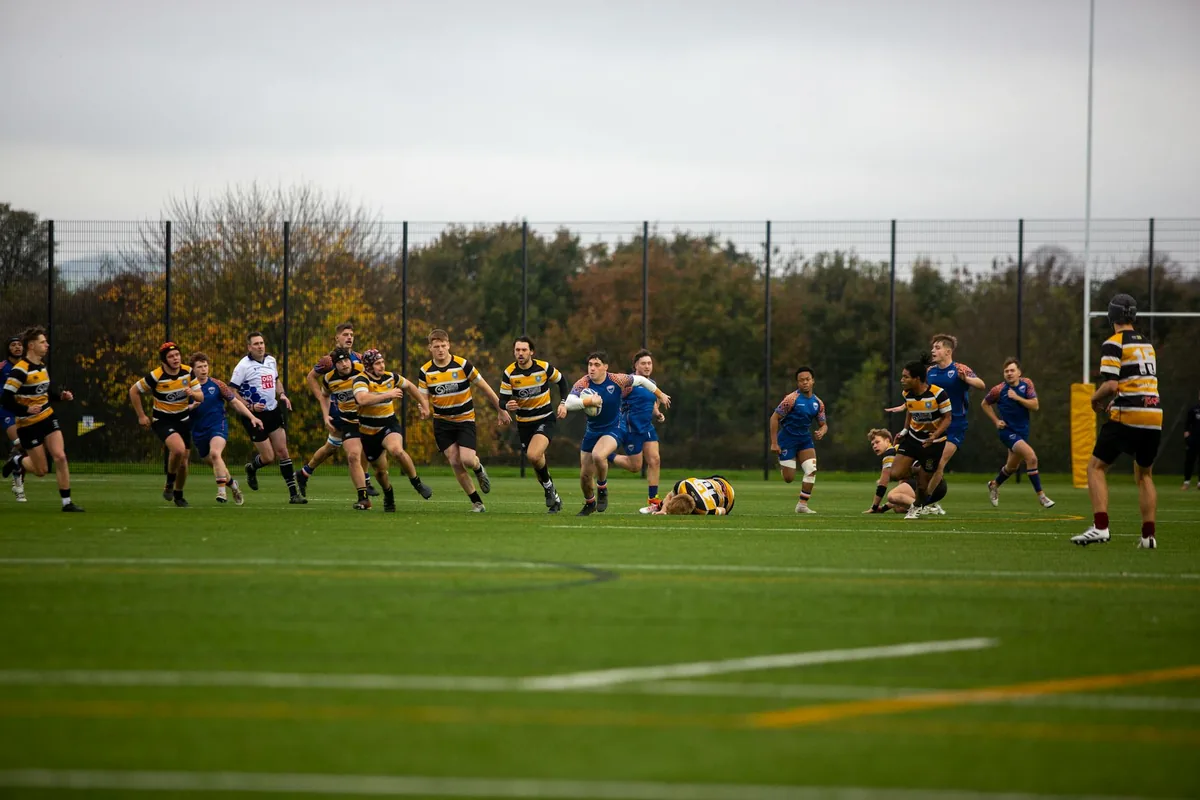
England Rugby Matchday Traditions: From Anthems to Post-Match Rituals
For England rugby fans and players alike, a matchday is far more than just eighty minutes of sport. It is a rich tapestry of rituals, anthems, and customs that build anticipation, forge unity, and honor history. These traditions create a powerful sense of occasion, transforming a game into a shared cultural experience. From the solemnity of the anthems to the camaraderie of the post-match pint, each element contributes to the unique atmosphere that defines England rugby.
The Pre-Match Build-Up: Rituals of Preparation
The matchday experience begins long before the first whistle. For the squad, preparation is a finely tuned blend of physical readiness and mental focus. Players follow personalized routines, from specific meals to visualization exercises, all designed to peak at kick-off. The team's arrival at the stadium, often captured for fans, marks the transition from preparation to performance. Supporters, meanwhile, engage in their own rituals. The journey to Twickenham Stadium or an away ground is a pilgrimage, often starting with a traditional pub gathering. Here, tactics are debated, line-ups are analyzed, and the collective nervous energy begins to build. Wearing the rose with pride, whether on a classic jersey or new scarf, is a non-negotiable part of the fan's uniform, connecting the present day to decades of history.
The Captain's Run and Final Team Talk
In the final 24 hours, the "Captain's Run" – a light training session at the match venue – allows players to acclimatize. Later, in the sanctity of the dressing room, the head coach and captain deliver their final addresses. These talks are less about technical detail and more about emotion, legacy, and the honor of representing the nation. It’s a pivotal moment where the squad’s core values and team culture are reinforced, setting the emotional tone for the battle ahead.
The Ceremony of the Anthems: A Spine-Tingling Moment
Perhaps the most universally powerful tradition is the singing of the national anthems. As the teams line up, a hush falls over the crowd. The first notes of "God Save the King" trigger a deafening roar from the England faithful. This collective act of patriotism is a visceral expression of support, willing the team on. For the players, standing shoulder-to-shoulder during the anthem is a moment of intense focus and pride, a stark reminder of the responsibility they carry.
"Swing Low, Sweet Chariot": Rugby's Adopted Anthem
Unique to English rugby is the spontaneous eruption of "Swing Low, Sweet Chariot" during matches. What began as a song from the stands in the 1980s has become an indelible part of the matchday soundtrack. Sung with particular gusto after a try or during a period of dominance, its soulful melody creates an intimidating wall of sound that can inspire the team and unsettle opponents. The song’s history and journey from folk spiritual to rugby anthem is a fascinating story of fan-led tradition.
In-Game Traditions: The Chants, Cheers, and Twickenham's Roar
During the game itself, traditions flow with the action. The coordinated roar that greets a big defensive hit or a dominant scrum is a trademark of English crowds. Chants of "Eng-land, Eng-land!" ripple around the stadium, especially during pivotal moments. At Twickenham, the specific acoustics and the crowd's proximity to the pitch are considered a genuine home advantage in the Six Nations. The respectful silence for a kicker, followed by explosive noise for a successful attempt, showcases the crowd's understanding of the game's nuances. In historic fixtures like the Calcutta Cup clash with Scotland, these in-game traditions are amplified by the weight of the rivalry, with every cheer carrying an extra edge.
Half-Time and Full-Time: Rituals of Reflection and Respect
The half-time break is a period of intense recalibration. For fans, it's a chance to dissect the first half, queue for refreshments, and perhaps enjoy the atmosphere of the stadium concourses. For the players, it's a critical tactical reset in the dressing room. The full-time whistle triggers a different set of traditions. Regardless of result, the teams come together for a moment of appreciation, shaking hands and often swapping jerseys—a mark of mutual respect forged in battle. The players then undertake a lap of thanks, applauding the supporters who have travelled near and far.
The Post-Match Rituals: Third Half and Analysis
In rugby, the social "third half" is as cherished as the game itself. This tradition stems from the sport's core values of camaraderie. Players from both teams often share a drink in the clubhouse, a practice that extends from grassroots to the international level. For fans, the post-match analysis in pubs and bars is a key ritual. Debates over pivotal moments, standout performers, and tactical decisions can last for hours. In the digital age, this continues online, with fans seeking out post-match reactions from players and coaches to gain deeper insight. Following a victory, the singing of "Swing Low" in packed pubs and train stations is the perfect celebratory coda to the day.
Trophy Celebrations and Lasting Memories
On the rare and glorious occasions when a championship is won, specific trophy traditions come to the fore. The lifting of silverware, such as the Six Nations Trophy or the Calcutta Cup, is a moment etched in history. The medal ceremony, the champagne spray, and the squad singing with fans are images that define eras. These celebrations are the culmination of all the smaller matchday rituals, a shared joy between players and supporters. Understanding the significance of these moments is enhanced by exploring every trophy England can win in tournaments like the Six Nations.
A Living Tapestry of Passion
England rugby matchday traditions form a living, breathing culture that connects generations. They are not performed for show but are organic expressions of passion, respect, and community. From the solitary focus of a player's pre-game routine to the collective roar of 80,000 voices, these rituals are the heartbeat of the sport. They ensure that an England rugby match is never just a game; it is an enduring spectacle, a shared history, and an unforgettable experience. For those planning to immerse themselves in this atmosphere, a comprehensive Twickenham matchday guide is essential reading. To learn more about the history and ethos of the game globally, visit the official site of World Rugby, and for deeper historical context on English sport, the England Rugby official site offers a wealth of information.