England Rugby Coaching Staff Updates and Appointments: Shaping the Future
The coaching staff of the England men's rugby union team is the strategic engine room, responsible for translating vision into on-field performance. Recent updates and appointments within this group signal the direction and priorities of the team under head coach Steve Borthwick as they build towards major tournaments. This article provides a detailed overview of the current coaching structure, key appointments, and the strategic thinking behind these crucial decisions.
The Current Coaching Structure Under Steve Borthwick
Since taking the helm in December 2022, Steve Borthwick has meticulously assembled and refined his coaching team, blending continuity with fresh expertise. The structure is designed to provide clear, specialized support across all facets of the modern game, from set-piece mastery to attacking flair.
Head Coach: Steve Borthwick
Steve Borthwick remains the central figure, overseeing the entire rugby programme. His philosophy, rooted in set-piece dominance, defensive resilience, and clear game management, continues to shape England's identity. His approach is detailed in our analysis of England's Game Management in Closing Stages. Borthwick's own development as a coach is part of a rich England Rugby Coaching Legacy that he is actively building upon.
Assistant Coaches and Their Portfolios
The assistant coach lineup is where the most significant specialization occurs:
- Attack Coach: A pivotal role that has seen recent focus. The search for a permanent, world-class attack specialist is a priority, with temporary consultants often used during campaigns to inject specific ideas and work on backline patterns.
- Defence Coach: Kevin Sinfield, a trusted lieutenant of Borthwick from their Leicester Tigers days, has been instrumental in organising England's defensive systems. His work focuses on aggression, line speed, and breakdown disruption, principles explored in our piece on England's Defensive Press Systems.
- Set-Piece and Scrum Coach: Tom Harrison, appointed in 2024, brings specific expertise to the scrum. His role is critical to maintaining England's traditional set-piece strength, a cornerstone of Borthwick's strategy.
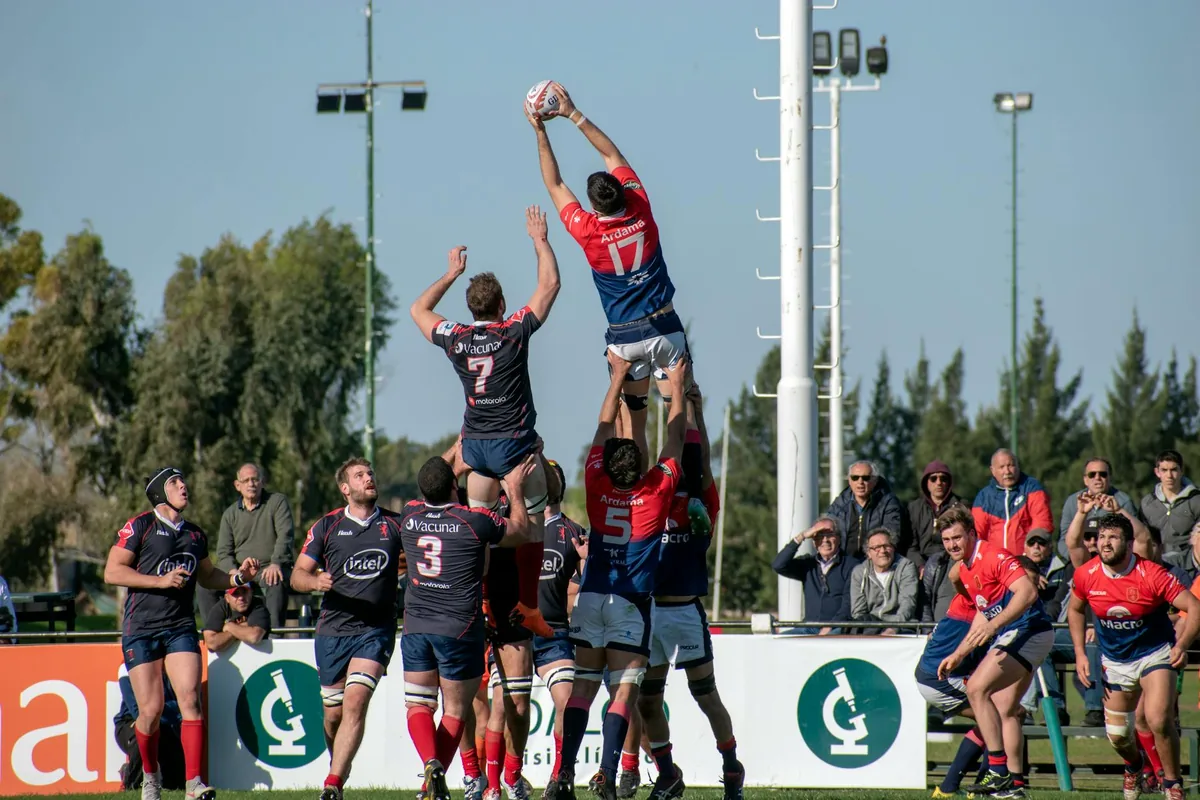
- Lineout Coach: Steve Borthwick, a former world-class lock, often oversees this area directly, supported by other coaches. The lineout remains a complex, strategic battleground, as analyzed in The Evolution of England's Lineout Strategies.
- Skills Coach: This role, often encompassing kicking strategy, is vital for individual player development and executing tactical kicks. England's approach in this area is constantly evolving, as discussed in The Evolution of England's Kicking Strategy.
Recent Key Appointments and Their Impact
Coaching staff changes are never made lightly and reflect the specific needs identified by the performance review process.
The appointment of Tom Harrison as Scrum Coach in early 2024 was a direct response to the need for dedicated, technical scrummaging expertise. Harrison's work with the Rugby Football Union's (RFU) age-grade teams and his club experience made him a seamless fit to ensure England's pack maintains its destructive edge at the highest level.
Furthermore, the integration of specialist consultants for specific campaigns, particularly in attack, has become a feature. These short-term appointments allow Borthwick to access innovative ideas and fresh perspectives without committing to a permanent restructuring, providing tactical variety for crucial tournaments like the Six Nations.
The Strategic Vision Behind Staff Selection
Every coaching appointment under Borthwick aligns with a core strategic vision: building a team that can win pressure moments in knockout rugby. This vision breaks down into several key pillars:
- Set-Piece as a Foundation: Appointments like Harrison's underscore the non-negotiable priority of a dominant scrum and reliable lineout. This provides the platform for all other aspects of play.
- Defensive Fortitude: Sinfield's continued role emphasizes that defence is viewed as the primary source of possession and momentum. The system is designed to force errors and create scoring opportunities from turnovers.
- Evolving Attack: The ongoing search for an attack coach indicates a recognition that to win the biggest games, England must add greater potency and unpredictability to their structured approach. This evolution is crucial for integrating the exciting talent emerging from the Gallagher Premiership development pathway.
- Leadership Development: The coaching staff works closely with the squad's leadership group, fostering decision-makers on the field. This synergy is vital for effective Game Management and Decision-Making in England's Leadership.
How Coaching Changes Affect Player Development and Squad Dynamics
A stable yet evolving coaching environment directly impacts players. Specialist coaches like a dedicated scrum or skills coach allow for more individualized technical development, which is essential for both established stars and New Caps integrating into the squad.
Consistency in defensive and set-piece messaging builds cohesion and understanding among the players. Meanwhile, new voices in attack can stimulate creativity and provide different solutions against varied opposition. This holistic development is supported by world-class Injury Prevention and Management Programs, ensuring players are physically prepared to execute the coaches' plans.
The RFU's high-performance department, as detailed on their official website EnglandRugby.com, provides the overarching support structure for the coaching team, including sports science, analytics, and medical support.
Looking Ahead: The Road to the 2027 Rugby World Cup
All coaching decisions are made with a long-term lens, particularly the next Rugby World Cup cycle. The current staff structure is a prototype that will be assessed and refined after each campaign. The ultimate goal is to arrive in Australia in 2027 with a coaching team that has built deep understanding with a battle-hardened squad, capable of a balanced game that combines power, precision, and pace.
The integration of data and technology, as seen in the wider adoption of advanced performance analysis tools discussed by sources like World Rugby, will continue to influence how the coaching staff prepares the team. The next few years will likely see further specialization, potentially in areas like contact skills or transition play, as the game continues to evolve at the highest level.
Conclusion
The England rugby coaching staff is a dynamic and purpose-built unit, reflecting Steve Borthwick's clear rugby philosophy. Recent appointments like Tom Harrison solidify foundational strengths, while the strategic pursuit of attacking expertise shows ambition for growth. This blend of stability and targeted evolution is designed to create an environment where England's considerable talent can be harnessed into a consistent, tournament-winning force. As the team progresses, the performance of this coaching group will be intrinsically linked to England's success on the pitch, from the next Six Nations fixture to the ultimate challenge of the World Cup.