Behind the Scenes: Latest England Rugby Coaching Staff Updates
The engine room of any successful international rugby team is its coaching staff, and for England, the period following the 2023 Rugby World Cup has been one of significant strategic evolution. Head Coach Steve Borthwick, having steered the team to a third-place finish in France, has been methodically reshaping his backroom team to build a squad capable of challenging for the 2027 title. These changes reflect a clear vision for England's playing identity, focusing on defensive resilience, attacking innovation, and set-piece dominance. This article delves into the latest appointments, departures, and the emerging philosophy driving England Rugby forward.
Key Appointments and Strategic Reshuffle
Steve Borthwick’s tenure began with a focus on shoring up England's fundamentals, a task largely entrusted to his initial appointments. The post-World Cup phase, however, has seen a shift towards adding layers of tactical nuance and specialist expertise. The most prominent change has been the integration of new minds tasked with unlocking England's attacking potential.
Felix Jones: The Defensive Architect
One of the most significant coups for the RFU was securing the services of Felix Jones. The former South African defensive mastermind, integral to the Springboks' back-to-back World Cup victories, joined as Defence Coach in January 2024. Jones is renowned for implementing an aggressive, blitz-style defensive system that suffocates opposition attack. His immediate impact was visible in the 2024 Six Nations, where England's defensive line speed and organisation showed marked improvement. Jones’s philosophy is not just about stopping tries; it’s about creating turnover opportunities and applying relentless pressure, a cornerstone of the modern South African game now being woven into England’s fabric.
Andrew Strawbridge: The Skills Specialist
In a move highlighting the pursuit of marginal gains, New Zealander Andrew Strawbridge was brought in as a Skills Consultant for the initial part of the 2024 Six Nations. Strawbridge, a key figure in the All Blacks' setup for years, focuses on the finer technical details—catch-pass under pressure, decision-making at the breakdown, and support line running. His short-term involvement provided players with a fresh perspective and high-level technical tweaks, demonstrating Borthwick’s willingness to import world-leading expertise to complement his core staff.
Tom Harrison: Set-Piece Continuity
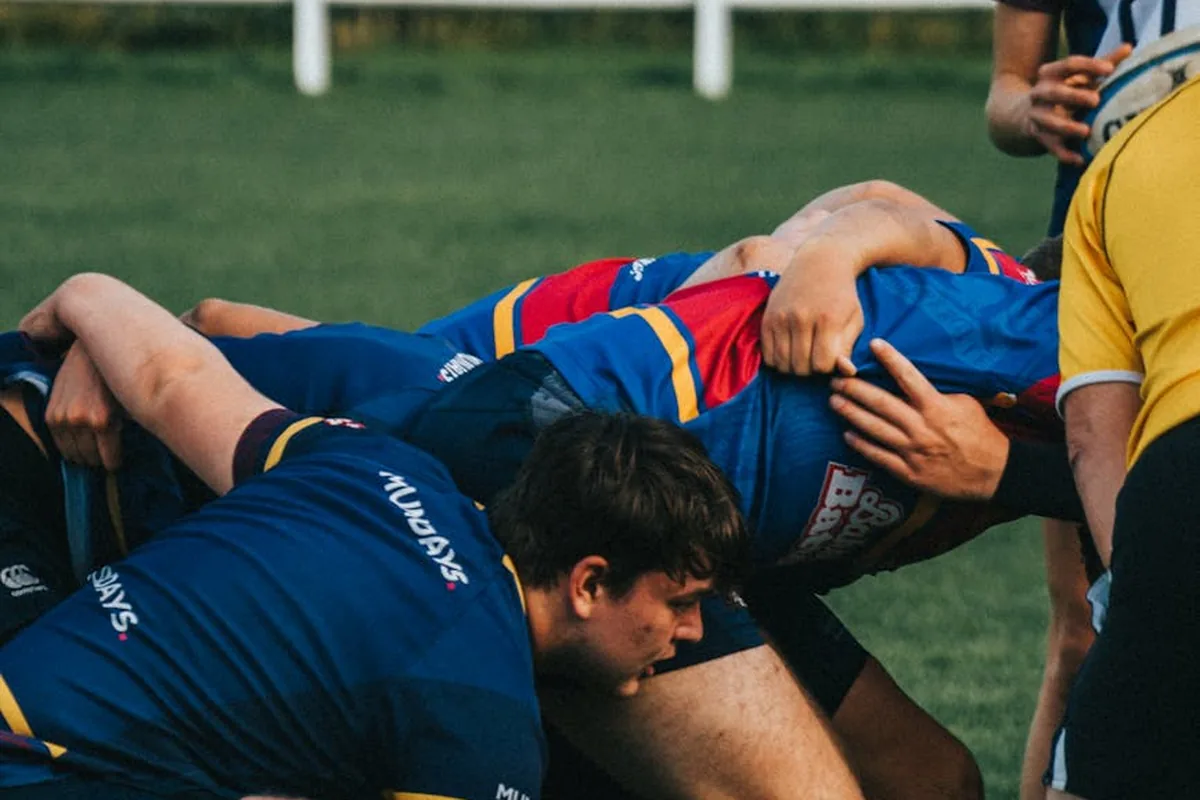
With the departure of Richard Cockerill, the scrum coaching reins were handed to Tom Harrison. Having worked extensively within the England pathway system and with the senior squad, Harrison represents continuity and a deep understanding of the players. His challenge is to maintain England’s traditional scrummaging power while evolving its technical adaptability against diverse international opponents. This focus on set-piece excellence remains a non-negotiable pillar, as detailed in our analysis of England Set Piece Analysis: Scrum and Lineout Strategies.
Evolving Roles and Internal Development
Beyond new faces, existing coaches have seen their roles evolve. Kevin Sinfield, who initially joined as Defence Coach, transitioned to a Skills and Kicking Coach role before departing in the summer of 2024. This shift allowed his successor, Felix Jones, to imprint his defensive system fully. Attack Coach Richard Wigglesworth, a former scrum-half with a razor-sharp rugby intellect, continues to develop England's phase-play patterns, working on creating quicker ball and more potent backline moves.
The integration of these coaches is a meticulous process, often developed during intensive training camps. For an inside look at how the squad prepares, explore our feature on Inside England Rugby Training Camps: Preparation and Regimen.
Philosophical Shift: Building Towards 2027
The collective profile of the new-look coaching team signals a distinct philosophical shift. The Borthwick-Jones partnership, in particular, suggests a dual focus: constructing an impregnable defensive wall while developing an attack that can strike from anywhere. This is a move away from a purely territory-based game towards a more balanced, pressure-oriented model.
The emphasis is on creating a "pressure-first" team. Jones’s defence forces errors, while the attack, under Wigglesworth’s guidance, is being honed to exploit those errors with greater clinical precision. This strategic evolution is crucial as England looks to close the gap on the world’s top sides. Understanding this tactical journey is key, as explored in England Rugby Playing Style: Tactical Philosophy and Evolution.
Focus on Leadership and Mentality
Borthwick, a former captain himself, places immense value on leadership within the player group. The coaching staff works closely with the squad's leadership hierarchy to foster a resilient and self-driving team culture. This involves empowering senior players and integrating new captains, a process examined in depth in Leadership Transition: New Captains and Vice-Captains in England Squad. The mental fortitude to execute game plans in high-pressure environments, such as critical England's Away Game Strategy in the Six Nations, is a non-negotiable trait being cultivated.
What This Means for England's Future
The recent coaching updates point to a clear, long-term build. The 2024 Six Nations served as a foundational block for Felix Jones’s systems. The upcoming Summer Tours and Autumn Nations Series will be laboratories for further refinement, testing these strategies against Southern Hemisphere opposition. The ultimate benchmark, of course, will be the 2025 Six Nations and the road to the 2027 World Cup in Australia.
For fans, these changes promise a more dynamic and assertive England team. The blend of Borthwick’s structural rigor, Jones’s defensive aggression, and a growing attacking ambition aims to produce a side that can both grind out wins and play expansively when required. The success of this project hinges on the cohesion of this very staff and their ability to translate philosophy into consistent performance.
To stay updated on how these coaching strategies translate onto the pitch, follow our regular England Rugby Match Reports: Detailed Game Analysis and Results. For official announcements and detailed profiles of the coaching team, always refer to the authoritative source, the England Rugby official website. Further analysis of coaching impacts on international teams can also be found through resources like World Rugby.