England Rugby Coaching Staff Updates: New Appointments and Strategic Changes
The England men's rugby union team is entering a pivotal phase, with the 2024 Six Nations concluded and the focus shifting towards long-term development under head coach Steve Borthwick. Recent updates to the coaching staff signal a clear strategic direction, blending continuity with fresh perspectives to build a squad capable of competing at the highest level. These changes are not merely administrative; they represent a deliberate evolution in England's tactical approach, player development, and preparation for the challenges ahead, including the 2027 Rugby World Cup.
A New Defensive Architect: Felix Jones
One of the most significant appointments is the arrival of Felix Jones as defence coach. Jones, a former Ireland international, joins the England set-up after playing a crucial role in South Africa's back-to-back Rugby World Cup victories in 2019 and 2023. His reputation for implementing a ferocious, aggressive, and highly organised defensive system precedes him. This move indicates a decisive shift in England's defensive philosophy. Under Jones, expect to see a more proactive, line-speed-oriented defence designed to suffocate opposition attack and create turnover opportunities. Integrating this new system will be a key storyline in England's upcoming campaigns, particularly in high-pressure away games where defensive resilience is paramount.
Evolution in Attack: The Role of Richard Wigglesworth
While the defensive structure undergoes a transformation, the attack remains under the stewardship of Richard Wigglesworth, whose role has been solidified. A vastly experienced former scrum-half, Wigglesworth understands the intricacies of controlling Test match tempo. His challenge is to develop an attacking framework that is both structured and fluid, capable of breaking down the most disciplined defences. The focus will likely be on improving phase-play variety, sharpening strike moves from set-pieces, and enhancing decision-making under pressure. This evolution in attack is essential for converting possession and territory into points, a area where England has sought greater consistency. The synergy between a new defensive system and a maturing attack will define England's tactical identity.
Set-Piece Continuity and Forward Development
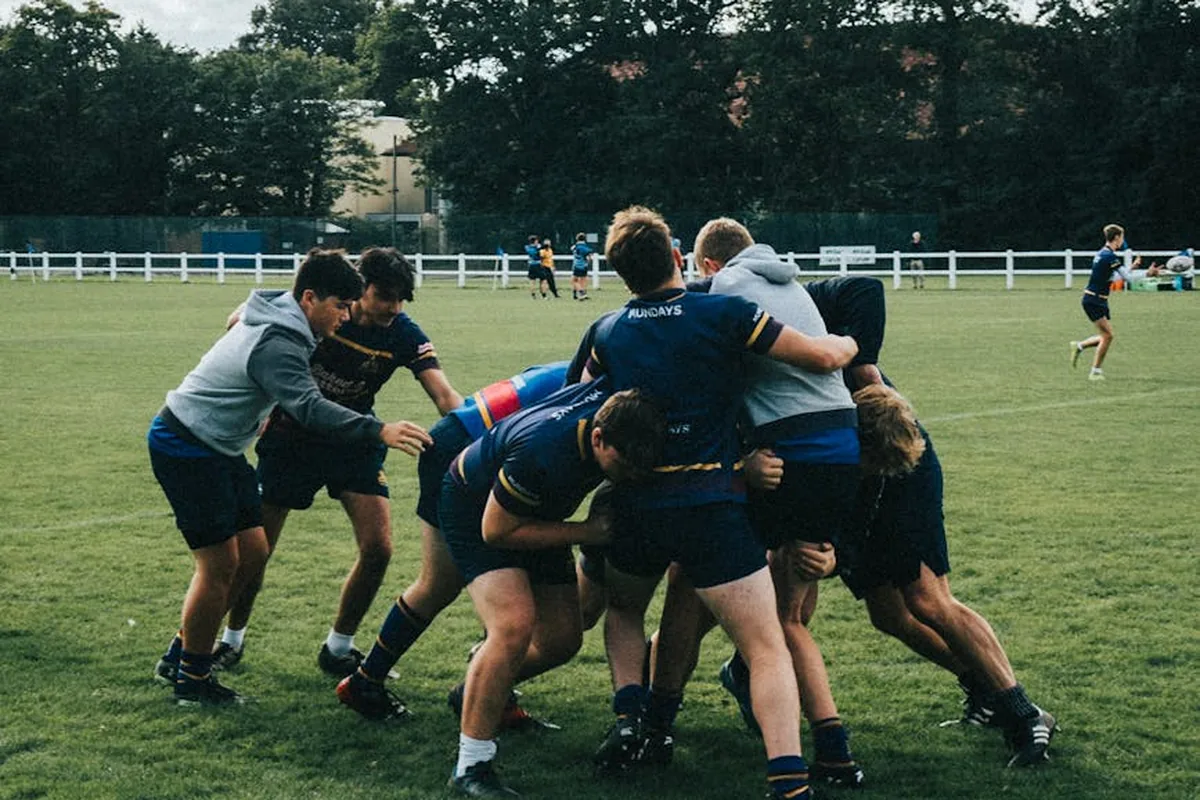
The bedrock of England's game under Steve Borthwick has been set-piece dominance. This area continues to receive dedicated attention, with Tom Harrison leading the scrum and a collaborative effort on the lineout involving Borthwick himself and other specialists. Maintaining this strength is non-negotiable. The set-piece provides the platform for both attack and defence, and England's ability to exert pressure here, especially in fixtures like England vs Wales, remains a primary weapon. The coaching staff's deep knowledge in this area ensures that while other facets of the game evolve, England's traditional power at the scrum and lineout will be preserved and refined.
Specialist Skills and Player Development
Beyond the core unit, the coaching team includes specialists focused on individual and unit skills. Andrew Strawbridge, who joined as a skills consultant during the 2024 Six Nations, brought a fresh eye to handling, contact skills, and decision-making. While his was a short-term tournament appointment, it highlights the value placed on specialist input. The ongoing work of coaches like Kevin Sinfield (who has transitioned to a different role within the RFU) and others in developing leadership, kicking strategy, and breakdown skills is integral to creating a well-rounded squad. This holistic approach to player development is crucial for integrating new caps and ensuring the entire squad operates at an elite level.
Strategic Implications and Long-Term Vision
These staff changes are not made in isolation. They are part of a clear, long-term strategy orchestrated by Steve Borthwick and the RFU's performance director. The appointment of Felix Jones, in particular, is a statement of intent, showing a willingness to adopt successful methodologies from other rugby cultures. The blend of Jones's championship-winning experience with the existing knowledge of Borthwick, Wigglesworth, and the set-piece coaches creates a diverse and potent mix.
The ultimate goal is to build a team that can consistently win the biggest games. This means developing a robust system that allows players to express themselves, a defence that can win games, and an attack that can take opportunities. The coaching team's ability to translate their vision onto the training pitch and for the players to execute it on match day will be the true test. For fans, this period offers an intriguing insight into the head coach's evolving blueprint for success.
What This Means for England's Future
The refreshed coaching structure has immediate and long-term ramifications. In the short term, the 2024 Summer Tours and Autumn Nations Series will be the first real tests of the new defensive system and the progressed attack against Southern Hemisphere opposition. Player adaptability and buy-in will be critical.
Looking further ahead, every decision is made with an eye on the 2027 Rugby World Cup. The coaching staff is tasked with building depth, establishing clear tactical patterns, and fostering a winning mentality. A key part of this will be managing player workload and injury prevention to ensure key personnel are available for peak moments. The development pathway, from the senior squad down through the age grades, must also align with this strategic vision to ensure a steady flow of talent equipped to play the England way.
For authoritative insights into global rugby coaching trends and high-performance systems, readers can explore resources from World Rugby and the Rugby Football Union.
Conclusion: A Deliberate Rebuild
The updates to England's coaching staff represent a deliberate and thoughtful phase in the team's rebuild. By combining a world-class defensive mind like Felix Jones with the existing core, Steve Borthwick has addressed a key area for improvement while maintaining strengths. The success of this new configuration will be measured in results, but also in the visible evolution of England's style of play. As the team prepares for its next challenges, the renewed and refined coaching team offers renewed optimism for England's future on the international stage, aiming to add more chapters to England's Grand Slam history and ultimately, challenge for the game's highest honours once more.