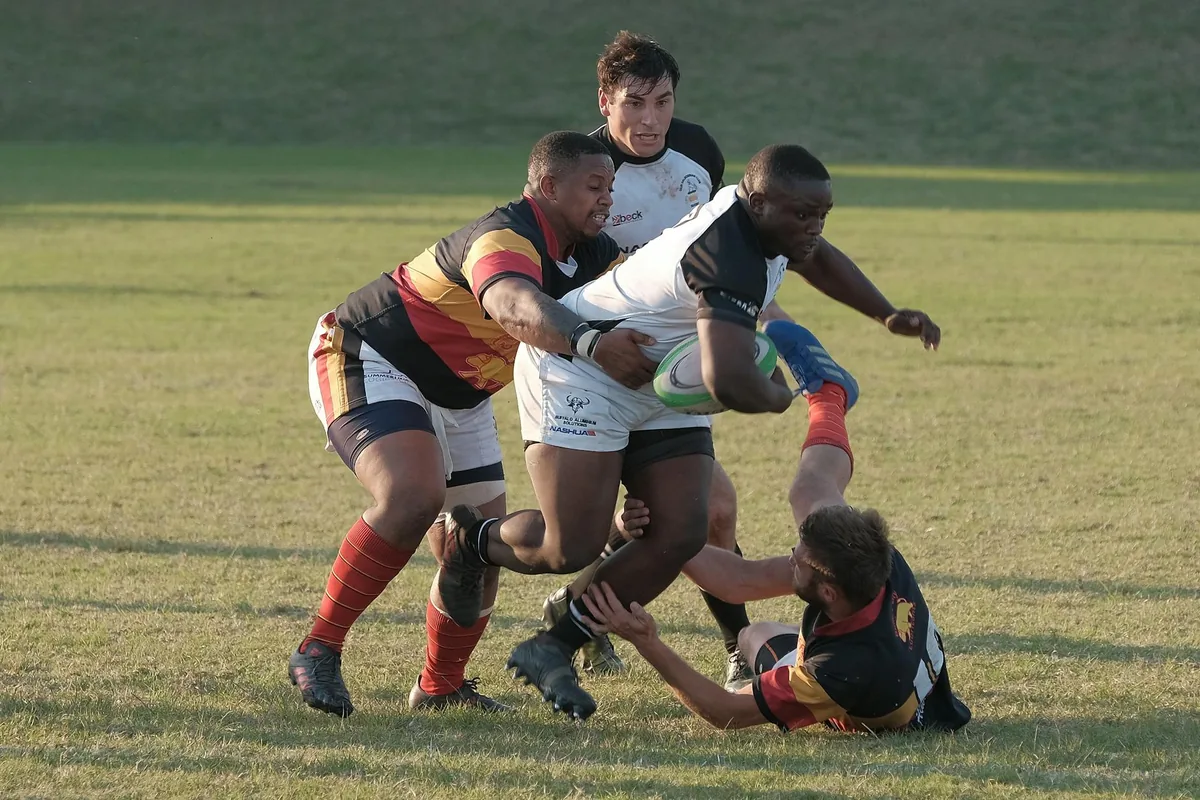
Innovations in England Rugby Coaching: Latest Techniques and Technologies
The landscape of international rugby is a relentless arms race, not just of physical power, but of intellectual and technological advantage. For the England rugby team, staying at the forefront requires a continuous evolution in coaching methodology, embracing cutting-edge techniques and technologies to refine player performance, enhance tactical understanding, and accelerate development. This deep dive explores the modern innovations shaping how England prepares for battles in the Six Nations Championship and on the global stage.
Data Analytics: From Retrospective Review to Predictive Power
Gone are the days when video analysis meant simply reviewing match tapes. Today, England's coaching staff, including the Head Coach and his specialists, leverage sophisticated data analytics platforms that transform raw performance into actionable intelligence. Wearable GPS trackers and inertial movement sensors provide real-time data on player load, sprint distances, collision impacts, and even neuromuscular fatigue.
This data is no longer just for post-match reports. It's integrated into live decision-making. Coaches can monitor a player's readiness during training, adjust workloads to prevent injury, and make informed substitution calls based on real-time metabolic data. Furthermore, predictive analytics are used to model opposition strategies, identifying patterns in phase play, defensive structures, and set-piece tendencies that human observation alone might miss. This shift towards a data-driven approach allows for hyper-personalised training regimens and tactical plans tailored to exploit specific opponent weaknesses.
Immersive Technology: VR and Simulation Training
One of the most significant leaps in coaching technique is the adoption of Virtual Reality (VR) and simulation. England players now use VR headsets to rehearse plays, study opposition formations, and practice decision-making in a risk-free, controlled environment. A fly-half can repeatedly run through a set-piece move against a virtual defensive line, a lock can study an opponent's lineout jumping patterns from a first-person perspective, and a fullback can practice positioning for high balls under simulated crowd noise and pressure.
This technology accelerates cognitive learning and improves spatial awareness. It is particularly valuable for integrating new players into complex systems or preparing for the unique challenges of specific venues, like the intense atmosphere detailed in our guide to Twickenham on match day. By mentally rehearsing scenarios, players arrive on the pitch with a heightened sense of familiarity and confidence.
Biomechanics and Technical Precision
Technical skills are being deconstructed and rebuilt with scientific precision. High-speed motion capture technology and force plate analysis allow coaches and strength and conditioning experts to analyse the biomechanics of core skills like scrummaging, tackling, and kicking. Every angle, force vector, and timing sequence can be measured and optimised.
For example, a prop's binding position and leg drive in the scrum can be analysed to maximise power and stability while minimising injury risk. A goal-kicker's run-up, plant foot position, and swing kinetics can be fine-tuned for consistency. This objective, data-led feedback removes guesswork, allowing for technical adjustments that yield measurable improvements in performance and durability, crucial for managing the demanding injury landscape of professional rugby.
Personalised Nutrition and Recovery Science
Modern coaching extends far beyond the training pitch. Innovations in sports science have led to highly individualised nutrition and recovery protocols. Through regular biomarker testing (via blood, saliva, or urine), practitioners can assess a player's metabolic profile, inflammation levels, and hormonal status. This data informs bespoke nutritional plans, ensuring each player receives the precise fuel needed for their position, training phase, and physiological makeup.
Recovery technology has also advanced dramatically. Beyond ice baths, players now use pneumatic compression boots, cryotherapy chambers, and photobiomodulation (light therapy) to enhance circulation, reduce muscle soreness, and accelerate tissue repair. Sleep is meticulously tracked and optimised, recognised as a critical component of performance. These integrated systems, part of the broader injury prevention program, ensure players can train at high intensity more frequently and maintain peak condition throughout long campaigns.
Tactical Periodisation and Cognitive Load Management
The concept of tactical periodisation has revolutionised training design. Instead of separating fitness, skills, and tactics, all elements are integrated into game-realistic scenarios. Training weeks are structured to mirror the physical and mental demands of an actual match, with a focus on the specific game model England intends to deploy. This ensures that fitness is developed in the context of tactical understanding, making training more efficient and transferable to Saturday's performance.
Concurrently, coaches are increasingly mindful of cognitive load—the total amount of mental effort being used. With complex defensive systems, intricate set-piece plays, and vast amounts of opposition analysis, there is a risk of information overload. Innovative coaching uses simplified frameworks, clear visual aids, and staggered learning to ensure players absorb and execute complex strategies under fatigue, a key component of effective game management.
The Human Element: Leadership and Culture in a Tech-Driven Era
Despite the proliferation of technology, the most crucial innovation may be in how England's coaching staff fosters leadership and team culture. Data provides information, but people win matches. There is a conscious effort to use technology as an empowering tool for players, not a surveillance device. Leaders within the squad's leadership group are encouraged to interpret data and co-create solutions with coaches.
Initiatives that build cohesion, resilience, and a shared identity remain paramount. The balance lies in leveraging technological insights to enhance human decision-making and physical capability, while never losing sight of the passion, intuition, and collective spirit that define rugby at its best. This holistic approach is essential for nurturing the rising stars who will carry the team forward.
The Future is Integrated
The future of England rugby coaching lies in the seamless integration of these innovations. Imagine a scenario where a player's daily biometric data automatically adjusts their afternoon training load, where VR session data informs the evening tactical meeting, and where post-session recovery is guided by real-time physiological markers. The goal is a fully connected performance ecosystem.
As these technologies evolve, so too will the role of the coach—from a primary source of instruction to a curator of information, a designer of learning environments, and a developer of character. For fans following the team's journey, from the Six Nations 2025 to future World Cups, understanding these behind-the-scenes advancements provides a deeper appreciation of the modern game's complexities. The pursuit of excellence is now a symphony of human willpower and technological ingenuity, and England's coaching team is fully orchestrated for the challenge.
For further insight into how technology is adopted in high-performance sport, authoritative resources like the National Institutes of Health publish peer-reviewed studies on sports science, while the World Rugby Science Network provides guidelines on the ethical use of technology in player welfare and performance.