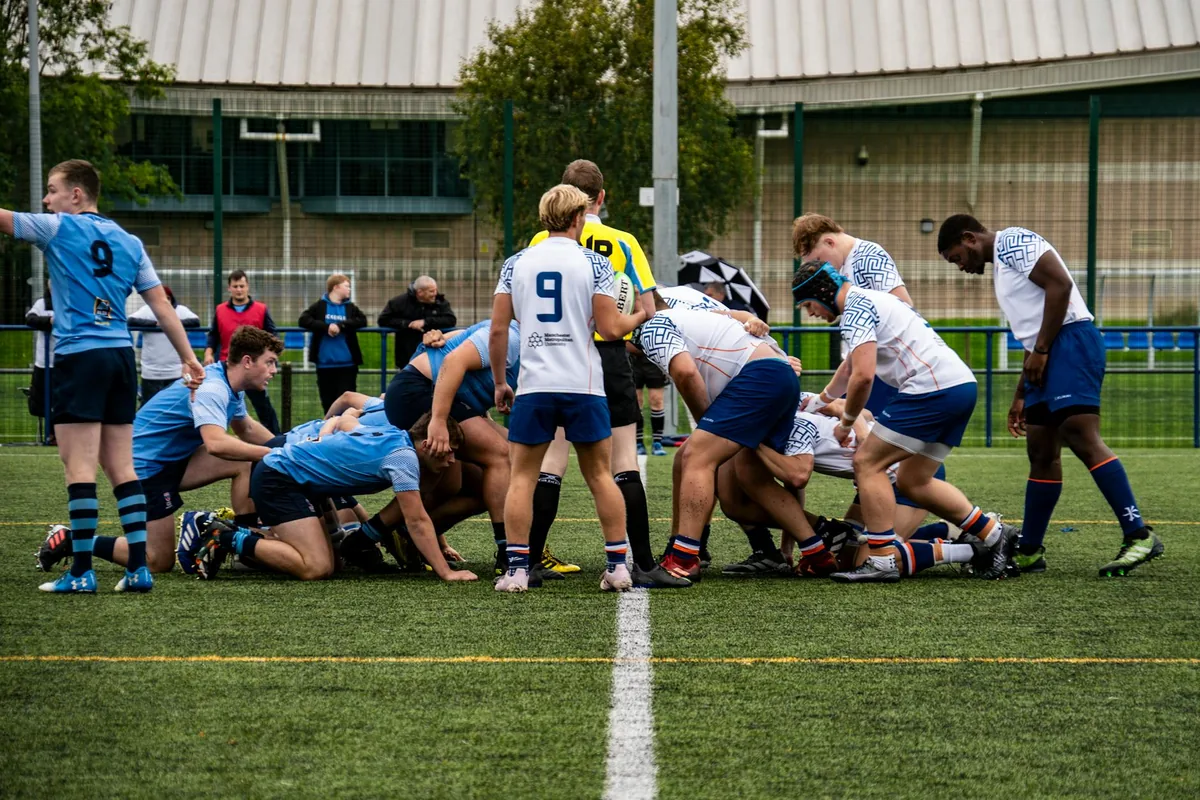
Autumn Internationals Evolution: England's November Test Schedule History
The roar of the crowd at Twickenham on a crisp November afternoon is a sound steeped in modern rugby tradition. England's Autumn Internationals, now branded as the Autumn Nations Series, represent a pivotal chapter in the annual rugby calendar. This series has evolved from sporadic, often isolated fixtures into a structured, high-stakes proving ground that shapes England's fortunes for the year ahead. The journey from informal tours to a commercial and sporting powerhouse reflects the transformation of rugby union itself.
The Early Days: Informal Beginnings and Pioneering Tours
England's history with end-of-year tests dates back to the very dawn of international rugby. The first-ever international match, against Scotland in 1871, was played in March, but the concept of a dedicated autumn window took much longer to develop. For decades, international fixtures were irregular and often arranged at short notice. The early 20th century saw pioneering tours from Southern Hemisphere nations, but these were infrequent events, not an annual appointment.
A significant shift began in the 1970s and 1980s. Teams like New Zealand, Australia, and South Africa started touring the Northern Hemisphere more regularly. These matches were monumental occasions, often one-off tests that captured the nation's attention. They were less a "series" and more a singular, brutal examination against the best. England's famous victory over Australia in 1988, a 28-19 win at Twickenham, was a classic example of these standalone autumn battles that could define an era.
The Professional Era: Structuring the Calendar
The advent of professionalism in 1995 was the catalyst for the modern Autumn Internationals. With the sport now a business, there was a pressing need for a predictable, revenue-generating calendar. The November window was formally carved out, allowing the Home Nations to host the Southern Hemisphere giants on a consistent, annual basis. This period saw the fixture list expand from one marquee match to typically three or four tests in consecutive weeks.
This structure presented new challenges and opportunities for England. Coaches like Clive Woodward used the autumn as a critical development tool in the build-up to the 2003 World Cup triumph. It became a time to experiment with combinations, test new talent against the world's best, and build depth. The intensity of facing the All Blacks one week and the Springboks the next became the ultimate benchmark for England's progress, a tradition that continues to this day as part of their Rugby World Cup preparation cycles.
The Shift from "Friendlies" to Capped Tests
A crucial evolution was the changing status of the matches themselves. Once often termed "friendlies," these games quickly shed any semblance of being non-competitive. With world ranking points at stake from 2003 onward, and with every result impacting seeding for future World Cups, every cap earned in November carried full weight. The physicality and tactical ferocity matched, and sometimes exceeded, that seen in the Six Nations Championship. The Autumn Internationals were no longer a warm-up; they were a summit.
The Modern Autumn Nations Series: Commercial Power and Global Narrative
The most recent evolution has been the formalisation and commercial branding of the window. Now officially the Autumn Nations Series, it is a coordinated event involving all tier-one nations in the Northern Hemisphere. This has brought increased broadcast revenue, global exposure, and a cohesive narrative to the month of November. For England, it means facing a carefully curated mix of opponents: typically one of the "big three" from the south (New Zealand, South Africa, Australia), a rising tier-one nation like Argentina or Japan, and sometimes a Pacific Island powerhouse like Fiji or Samoa.
The strategic importance has multiplied. Coaches use the series to solidify a squad's identity after the summer tours and before the Six Nations. It is a final audition for players on the fringes and a chance to integrate new caps into the high-pressure environment of Twickenham. The tactical lessons learned against diverse playing styles are invaluable, directly influencing England's approach in subsequent competitions.
Memorable Campaigns and Defining Moments
England's autumn schedule has been the stage for some of the team's most iconic modern performances. The 2016 series under Eddie Jones was transformative, featuring a historic first-ever win over South Africa under his tenure, a ruthless dismantling of Fiji, and a dramatic draw with Argentina. This series announced England as a resurgent force, building momentum that would lead to a record-equalling winning streak.
Other moments live long in memory: Jonny Wilkinson's drop-goal against Australia in 2002 that echoed his World Cup heroics a year later; the stunning victory over the All Blacks in 2012, a 38-21 masterclass; and the tense, physical battles with South Africa that test England's set-piece mettle. These November clashes often provide a clearer picture of England's world standing than the familiar rivalries of the Six Nations.
Strategic Evolution and Future Challenges
England's tactical approach to the autumn has evolved significantly. Historically, it was a test of sheer power and set-piece dominance. Today, it is a complex puzzle requiring adaptability. Coaches must prepare for the structured brutality of South Africa, the pace and skill of New Zealand, and the unpredictable flair of the Pacific Islands—all within a month. This demands not just a robust defensive system, but also strategic squad rotation and nuanced game management.
The future of the Autumn Nations Series faces debates about player welfare, with the increasingly congested calendar under scrutiny. There is also the ongoing discussion about the balance between commercial demands and sporting integrity, particularly regarding the number of matches played. However, its core purpose remains unchanged: to provide the ultimate litmus test for England Rugby. It is where theories are proven, heroes are made, and the path to the next World Cup is often paved.
From its ad-hoc beginnings to its current status as a global rugby festival, the evolution of England's Autumn Internationals mirrors the journey of the sport. It is a tradition forged in competition, essential for development, and cherished by fans who pack Twickenham, hoping to witness the next chapter in England's ongoing story on the international stage. For further official information on fixtures and history, the England Rugby website provides comprehensive resources, while global context can be found through World Rugby.