Ruck Speed and Breakdown Efficiency: England's Tactical Edge
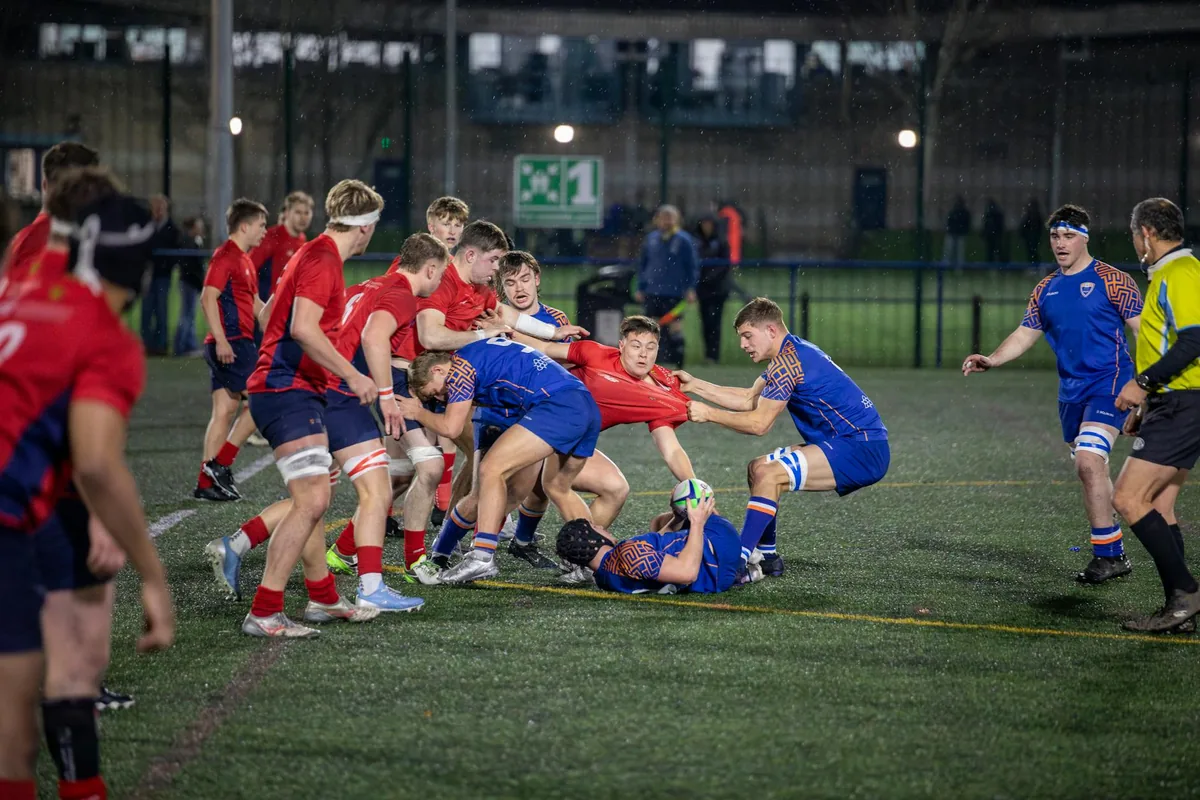
The breakdown is the crucible of modern rugby, and for England, mastering its dual demands of speed and efficiency has become a non-negotiable pillar of their tactical identity. Under the guidance of head coach Steve Borthwick, a former international lock renowned for his set-piece acumen, England has methodically refined their approach to the ruck. This focus is not about flashy offloads or expansive plays for their own sake; it is a calculated, data-informed strategy to control the tempo of the game, generate quick ball for their playmakers, and suffocate the opposition's attacking rhythm. This article delves into the mechanics, personnel, and strategic implications of England's ruck work, examining how it provides their crucial tactical edge.
The Borthwick Blueprint: System Over Individual Brilliance
England's current philosophy is built on a foundation of collective responsibility and systematic execution. The era of relying on a single "jackal" specialist to win turnovers has evolved into a structured team effort focused on securing possession first and contesting second. The primary objective is to achieve what coaches term "positive ruck outcomes": clean, fast ball that allows the scrum-half to dictate play. This requires impeccable timing, body positioning, and communication from every player arriving at the contact area.
The system demands specific roles. The ball carrier's job is to present the ball cleanly, often fighting to place it back on the English side. The first two arriving players are the "cleaners," whose sole focus is to remove threats and seal off the ball. Their technique—low body height, strong leg drive, and effective use of shoulders—is drilled relentlessly in training. Only once possession is secured do subsequent players look to contest for a turnover. This prioritization reduces risk and increases the consistency of their phase play, a cornerstone of their strategy in tournaments like the Six Nations Championship.
Key Personnel: The Engines of the Breakdown
While a system-driven approach, individual prowess remains vital. Players like Tom Curry, when fit, epitomize the modern breakdown hybrid, capable of both devastating clearing and pilfering turnovers. However, the workload is distributed. Forwards such as Maro Itoje and Jamie George are critical for their work rate and intelligence in identifying key rucks to hit. In the back row, the balance between a carrier like Ben Earl and a ground specialist is carefully managed.
The integration of new talent is crucial to maintaining this intensity. As explored in our analysis of how new caps integrate into England's squad, understanding breakdown responsibilities is a fundamental part of the onboarding process. The coaching staff, including specialists like Richard Wigglesworth, work on developing the technical skills and decision-making required for players to excel in this high-pressure area, ensuring the system thrives regardless of personnel changes.
The Scrum-Half as Conductor
The beneficiary and orchestrator of this effort is the scrum-half. The speed of ball presentation is meaningless without a half-back ready to exploit it. Players like Alex Mitchell and Danny Care are selected for their sharp pass and ability to make rapid decisions. With faster ruck ball, they can engage the defensive line, create space for runners like Henry Slade or Marcus Smith, and execute the strategic kicking game that pins opponents in their own half. The ruck speed directly dictates the tempo England can play at, allowing them to shift from a territorial grind to an attacking onslaught in a single phase.
Defensive Breakdown: A Tool for Strangulation
England's breakdown efficiency is not merely an offensive weapon; it is the starting point for their defensive pressure. A dominant defensive ruck, where England successfully counter-clear or slow opposition ball, disrupts the attacking flow and forces errors. Under defensive coach Kevin Sinfield, England employs an aggressive line speed that is predicated on the forwards winning the initial collision and subsequent breakdown battle.
By slowing down the opponent's recycle, England's defensive line can reset, compress space, and force plays into touch or into the hands of their dominant tacklers. This systematic pressure is designed to grind teams down, accumulate penalties, and create scoring opportunities from turnovers. The effectiveness of this approach often hinges on their performance at the defensive press systems, which are activated from these disruptive breakdowns.
Data and Analysis: Measuring the Edge
The modern game is driven by metrics, and ruck performance is no exception. England's analysts track data points such as ruck speed (categorized as fast, medium, or slow ball), cleanout success rate, and turnover win/loss ratios. This data informs selection, in-game strategy, and post-match review. For instance, identifying a trend of slow ball in certain channels might lead to a change in carrying strategy or a substitution to inject fresh legs into the breakdown battle.
This analytical approach extends to preparation for specific opponents. Studying the jackaling techniques of a player like Ireland's Josh van der Flier or the clearing patterns of the South African pack allows England to develop targeted counter-strategies. This meticulous preparation is a hallmark of Borthwick's tenure and is a key component of England's game management in high-pressure situations.
Case Study: The Six Nations Crucible
The Six Nations provides the perfect arena to test England's breakdown philosophy. Each opponent presents a unique challenge: the technical prowess of Ireland, the physicality of Wales, the chaos of France. Success hinges on adapting the core system to these different styles. A key historical fixture that often turns on breakdown battles is the Calcutta Cup clash with Scotland, where the contest at the breakdown is frequently ferocious and decisive.
Maintaining ruck speed and discipline over the course of the grueling tournament requires immense fitness and squad depth. The role of "finishers" from the bench is critical, as they are tasked with maintaining or increasing the breakdown intensity in the final quarter. This aligns with the broader impact of England's bench strategy, where fresh forwards are specifically deployed to dominate the contact area as the game opens up.
Challenges and Evolution
No system is impervious. The primary challenge is the referee's interpretation at the breakdown, which can vary from game to game. England must be technically precise to avoid penalties while still playing on the edge of the law. Injuries to key breakdown specialists can also strain the system, though the focus on collective responsibility is designed to mitigate this.
Looking ahead, the evolution of England's breakdown will be influenced by law interpretations and opposing innovations. The use of "double pump" clears, the positioning of "guard" players, and the integration of multi-phase attack strategies from quick ruck ball are areas of constant development. Resources from World Rugby, such as their breakdown guideline resources, help shape the global conversation around this complex area.
Conclusion: The Foundation of Ambition
For England, ruck speed and breakdown efficiency are not ends in themselves but the essential foundation upon which all tactical ambition is built. It is the unglamorous, physically demanding work that enables the backline to flourish, the kickers to find territory, and the defense to exert pressure. By building a robust, repeatable system and populating it with players drilled in its nuances, Steve Borthwick has installed a reliable engine in the England team. As they build towards future challenges, including the 2027 Rugby World Cup, their ability to consistently win the battle at the breakdown will remain the definitive source of their tactical edge. Continued analysis and adaptation, informed by expert resources like those from The Rugby Site, will be key to staying ahead of the curve in rugby's most critical contest.