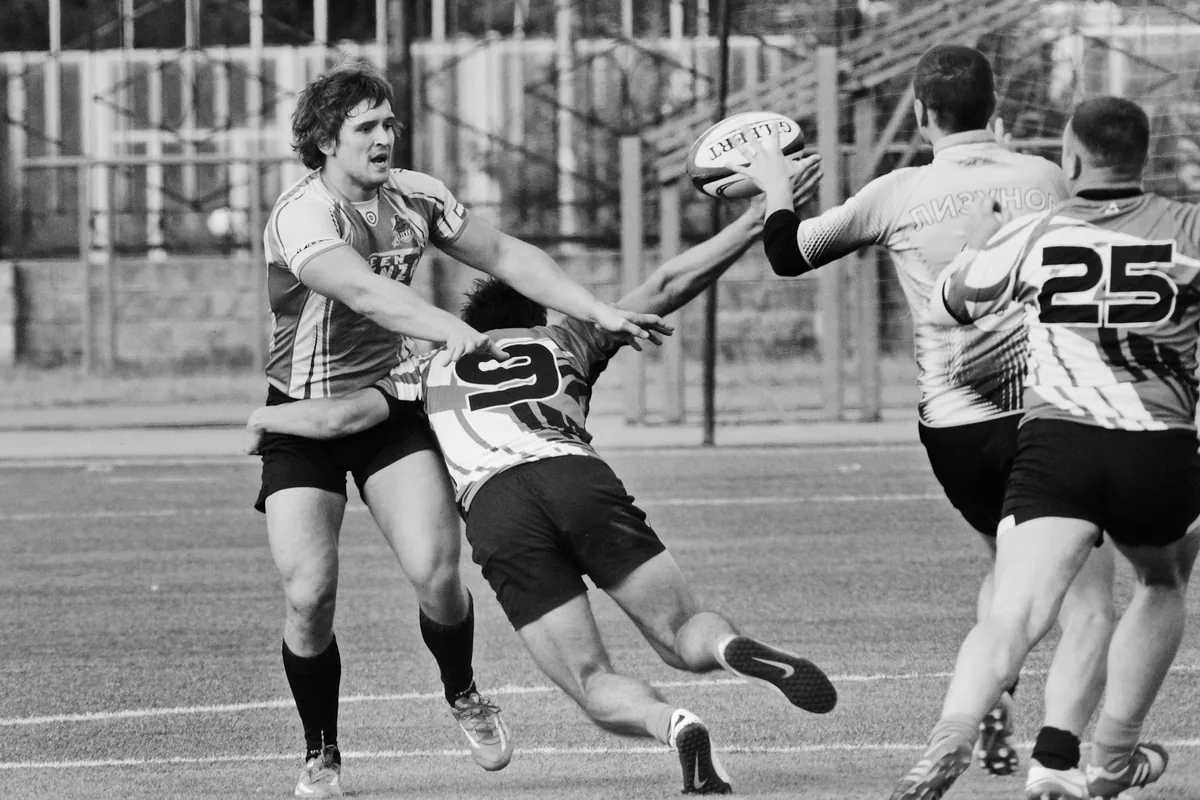
Position Evolution: How England Players Have Adapted Their Roles
The modern game of rugby union demands more than positional specialization; it requires adaptability. For England players, the journey from academy prospect to international star is often marked by significant role evolution. This adaptation is driven by tactical shifts, physical development, and the relentless pursuit of a competitive edge. Examining how players have successfully morphed their games provides a fascinating insight into the strategic depth of English rugby and the foresight of its coaching systems.
The Driving Forces Behind Positional Change
Several key factors compel players and coaches to consider positional switches. The increasing athleticism and size of players across all positions has blurred traditional lines. A modern back-row forward, for instance, must possess the handling skills of a centre and the lineout prowess of a lock. Tactical innovations, such as the emphasis on multi-phase play and defensive line speed, also create new hybrid roles. Furthermore, injuries or squad depth in a particular area can accelerate a player's transition, turning a temporary solution into a permanent career-defining move. This constant evolution is a testament to the professional era's demands, where versatility is a prized asset.
Coaching Vision and Player Development
England's pathway system, from the England Player Pathways to senior squads, increasingly identifies athletes with transferable skills. Coaches at various levels now project a player's potential in a different jersey, focusing on core competencies like spatial awareness, decision-making, and tackle technique rather than just their starting position. This proactive development is crucial for building a squad capable of adapting mid-game or throughout a tournament, a theme often explored in our analysis of England's Game Management strategies.
Notable Case Studies in Role Adaptation
England's history is rich with players who have reinvented themselves, often reaching greater heights in their new roles. These success stories highlight the blend of individual dedication and expert coaching required for a seamless transition.
From Wing to Fullback: The Mike Brown Blueprint
While not a radical shift, Mike Brown’s evolution from a talented but raw winger into one of England’s most dependable fullbacks of the professional era is a masterclass in positional refinement. Initially capped on the wing, his move to the number 15 jersey allowed his core strengths—aerial bravery, aggressive counter-attacking, and defensive solidity—to become the focal point of his game. He developed a sophisticated kicking game and became the last line of a formidable defense, embodying the modern fullback's requirement to be a second playmaker and a defensive rock.
The Back-Row Conversion: Tom Curry’s Early Shift
Tom Curry’s rise to the international stage was facilitated by an early positional switch. As a youth player, he operated primarily as an openside flanker but was also deployed at number 8. This flexibility prepared him for the demands of Test rugby, where he has excelled as a fetcher, carrier, and defensive leader. His ability to play across the back-row provides invaluable tactical flexibility for England, a quality that becomes particularly important during the intense schedule of competitions like the Six Nations.
Centre to Wing: The Power of Elliot Daly
Elliot Daly’s career exemplifies the modern trend of developing multi-functional backs. A gifted outside centre with a prodigious left boot, his Test opportunities were initially limited in a congested midfield. His adaptation to the wing, and later fullback, unlocked his value to the national team. On the wing, his long-range kicking, speed, and ability to inject himself into the line from deeper positions added a new dimension to England’s attack. This type of strategic redeployment is often what separates good teams from great ones in tight tournament matches.
The Modern Hybrid Player
The current landscape sees the deliberate creation of "hybrid" players. Coaches no longer wait for necessity to force a change; they actively train players to excel in multiple roles from an early stage.
The Lock-Blindside Flanker
The line between a mobile lock and a blindside flanker has never been thinner. Players like Courtney Lawes, who spent much of his career as a lock before becoming a world-class blindside, paved the way. Today, prospects are molded with this duality in mind. They must master the set-piece physicality of the second row while possessing the speed, handling, and breakdown skills of a back-rower. This evolution is central to England's Lineout Evolution, providing more dynamic options and decoys.
The Playmaking Fullback/Fly-Half
The archetype of the playmaking fullback, exemplified by players like Freddie Steward who offers a towering aerial presence, and George Furbank who provides a flatter, second-receiver option, shows tactical diversification. While not always a formal position switch, many fullbacks now run training drills at fly-half, and vice-versa, to understand both perspectives. This interchangeability is crucial for unstructured phase play and is a key component of England Attack Patterns.
Challenges and Considerations
Successful position evolution is not guaranteed. The transition requires immense mental fortitude to relearn spatial responsibilities, defensive patterns, and set-piece roles. Physically, a player may need to alter their body composition—adding mass for a forward move or refining speed for a shift in the backs. There is also the risk of becoming a "jack of all trades, master of none," if the transition is not managed carefully. The integration process is delicate, often relying on strong Leadership Group Dynamics to support the player through the change.
The Future of Positional Fluidity
The trend toward greater positional adaptability will only accelerate. As the game's laws and fitness standards evolve, so too will the player profiles. We may see more props with the handling skills to operate in wider channels, or scrum-halves with the size and strength of a flanker for defensive purposes. England's future success will hinge on its ability to identify and nurture this next wave of versatile talent through its Academy Development Pathways.
For further reading on how the game's tactics influence these changes, World Rugby's official player development resources offer a global perspective, while analysis from The Rugby Journal often delves into specific tactical trends shaping positional demands.
Ultimately, the evolution of England players' roles is a continuous story of innovation. It reflects a sporting culture that values intelligence, resilience, and the relentless pursuit of improvement—qualities that define England rugby at its best.