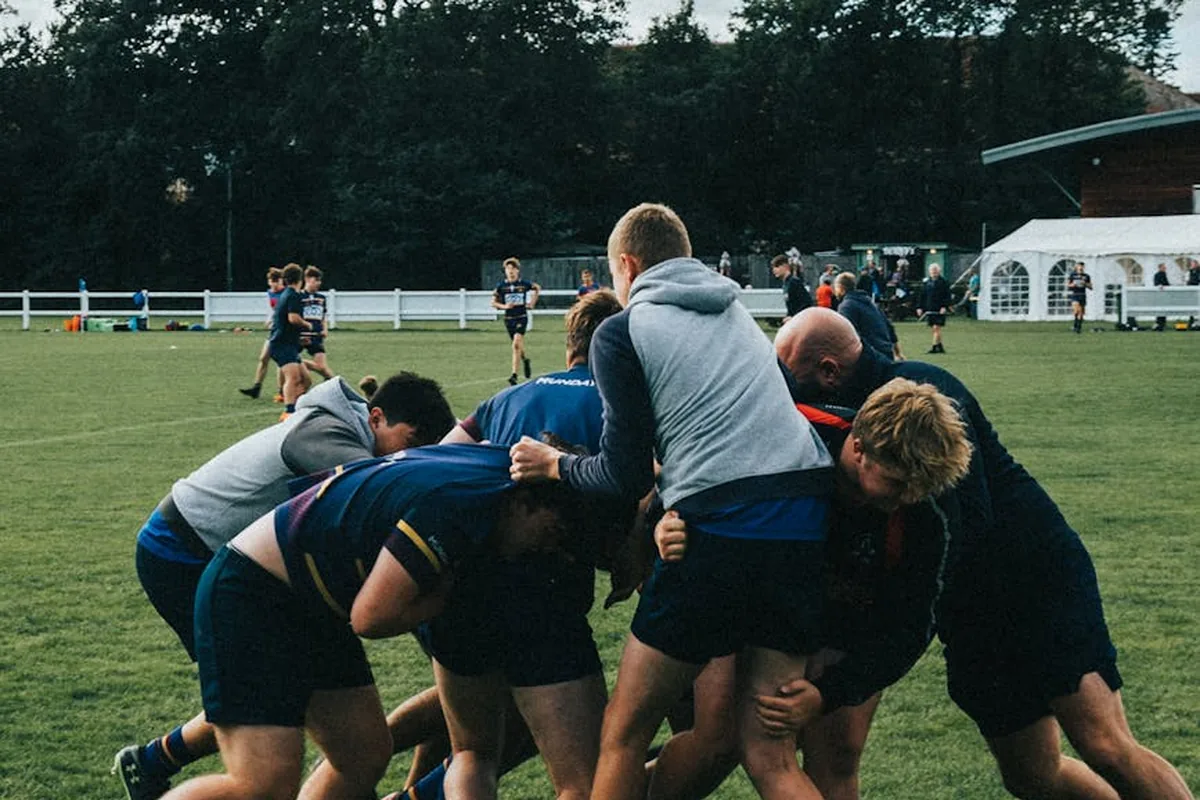
Scholars and Athletes: England Players' Academic Backgrounds and Education
The image of the rugby player is often one of pure physicality, but the modern England squad is increasingly a testament to intellectual as well as athletic prowess. Beyond the tackles and tries lies a diverse landscape of academic achievement, with many players holding degrees, pursuing professional qualifications, or having excelled in demanding educational pathways. This blend of scholarly discipline and sporting excellence is not coincidental; it shapes decision-makers on the pitch, enriches team culture, and prepares players for life after rugby. Exploring the academic backgrounds of England players reveals a fascinating dimension to their development and success.
The University Pathway: More Than a Rugby Degree
For many England internationals, university provided a crucial bridge between schoolboy rugby and the professional game. The university rugby system, particularly the famous BUCS (British Universities & Colleges Sport) league, has been a fertile ground for talent identification and development. However, the academic pursuits undertaken during this time are often rigorous and varied.
Former captain and World Cup winner, Jonny Wilkinson, studied Sports Science at the University of Durham, a discipline that undoubtedly complemented his obsessive approach to kicking technique and physical preparation. Current stars like Jamie George (Saracens and England hooker) attended the University of Hertfordshire. Perhaps one of the most notable academic achievers is former lock and 2003 World Cup hero, Ben Kay, who earned a degree in Economics and Accountancy from the University of Wales, Cardiff, before embarking on his rugby career.
This trend continues with newer caps. Players often balance demanding training schedules with studies, developing time-management skills that serve them well in the structured environment of an international training camp. The intellectual challenge of a degree can foster analytical thinking, a trait highly valuable for understanding complex game plans and adapting strategies mid-match.
Private School and Academy Foundations
A significant number of England players have come through the private school system, which in the UK often provides a strong emphasis on both rugby and academic attainment. Schools like Sedbergh, Wellington College, and Whitgift have produced numerous internationals. These institutions typically offer excellent sporting facilities and coaching alongside a traditional academic curriculum, instilling a balance from a young age.
This foundation is frequently followed by entry into the rugby academy system of Premiership clubs. Here, the focus intensifies on rugby, but educational components often remain, especially for younger academy players who may be completing A-Levels or starting foundation degrees. The RFU and Premiership clubs increasingly support dual-career pathways, recognising the importance of education for player welfare and long-term development. This holistic approach helps in building team culture with well-rounded individuals.
The Scholar-Strategists: Brains in Key Positions
It is often in the key decision-making positions where academic backgrounds seem particularly pronounced. Fly-halves and scrum-halves, the on-field generals, frequently have backgrounds that suggest strong cognitive abilities. George Ford, known for his tactical kicking and game management, attended St. George's School, Harpenden. Owen Farrell, though he entered Saracens' academy early, followed an educational path that demanded discipline.
This correlation isn't prescriptive, but the ability to process information quickly, make calculations under pressure, and communicate effectively – skills honed in academic settings – are directly transferable to orchestrating an attack or managing territory. The game management required at Test level is a cerebral challenge as much as a physical one.
Professional Qualifications and Alternative Pursuits
The academic journey for many players extends beyond traditional degrees. Several have pursued or obtained professional qualifications. Former England hooker and World Cup winner, Steve Thompson, famously qualified as a firefighter during his playing career. Others have engaged in business studies, law conversions, or coaching badges while playing.
This pursuit of qualifications underscores a modern reality: a rugby career is finite. Players are increasingly proactive in preparing for their post-playing days, and the discipline required for high-level sport often translates well into studying for professional exams. The RFU's Player Development Programme actively supports this, offering educational grants and career advice to ensure players are not defined solely by their on-field exploits. This forward-thinking approach aids in post-career transitions.
The Broader Impact on England Rugby
This collective academic experience within the squad has tangible benefits. It can contribute to a more analytical approach to performance review, a greater capacity for players to self-diagnose technical issues, and a leadership pool drawn from individuals accustomed to responsibility and critical thinking. The diversity of academic backgrounds – from economics to sports science – brings different perspectives into the team environment, fostering richer discussions and problem-solving.
Furthermore, it challenges outdated stereotypes and presents the players as multifaceted role models. It demonstrates that dedication to sport and dedication to education are not mutually exclusive, but can be synergistic. This is a powerful message for the next generation coming through the player pathways.
Notable Examples and Modern Trends
While many players have strong academic foundations, some stand out for particularly notable achievements. Former centre and 2003 World Cup winner, Will Greenwood, read Economics at the University of Durham. More recently, players like Henry Slade have spoken about the importance of education alongside rugby.
The modern system is designed to nurture this balance. The RFU’s educational partnerships and the Elite Player Performance Plan (EPPP) within clubs emphasise a ‘whole person’ development model. Resources like the England Rugby Player Development pages outline support for educational goals. This institutional support ensures that the current and future cohorts of England players can be scholars and athletes, equipped for all of life’s scrums and lineouts.
In conclusion, the academic backgrounds of England rugby players add a compelling layer to their identities. From university graduates to professional qualification seekers, these individuals combine intellectual rigour with physical prowess. This fusion contributes significantly to the tactical sophistication, leadership depth, and cultural maturity of the England squad, proving that in the modern game, the mind is as important a muscle as any. For more on the individuals who have shaped the team's legacy, explore our guide to England Rugby Legends.