Positional Role Analysis: Understanding England's Player Responsibilities
In the high-stakes arena of the Six Nations, success is built on a foundation of clarity and execution. For England, each player's role is a critical cog in the machine meticulously engineered by head coach Steve Borthwick. Understanding these positional responsibilities is key to appreciating the tactical battles that unfold, from the brutal physicality of the scrum to the strategic chess match in the backfield. This deep dive into England's player roles will illuminate how individual duties coalesce into a cohesive game plan, a plan that will be tested in fixtures like the England vs Wales 2024: Clash of the Titans Preview and the France vs England: Le Crunch Preview 2024.
The Engine Room: Forwards and Set-Piece Dominance
The forward pack is the heartbeat of England's strategy, with primary objectives centered on gaining physical ascendancy and securing set-piece ball. This foundation is non-negotiable for implementing England's Game Plan: Steve Borthwick's Tactical Blueprint for Six Nations 2024.
The Front Row (Props & Hooker)
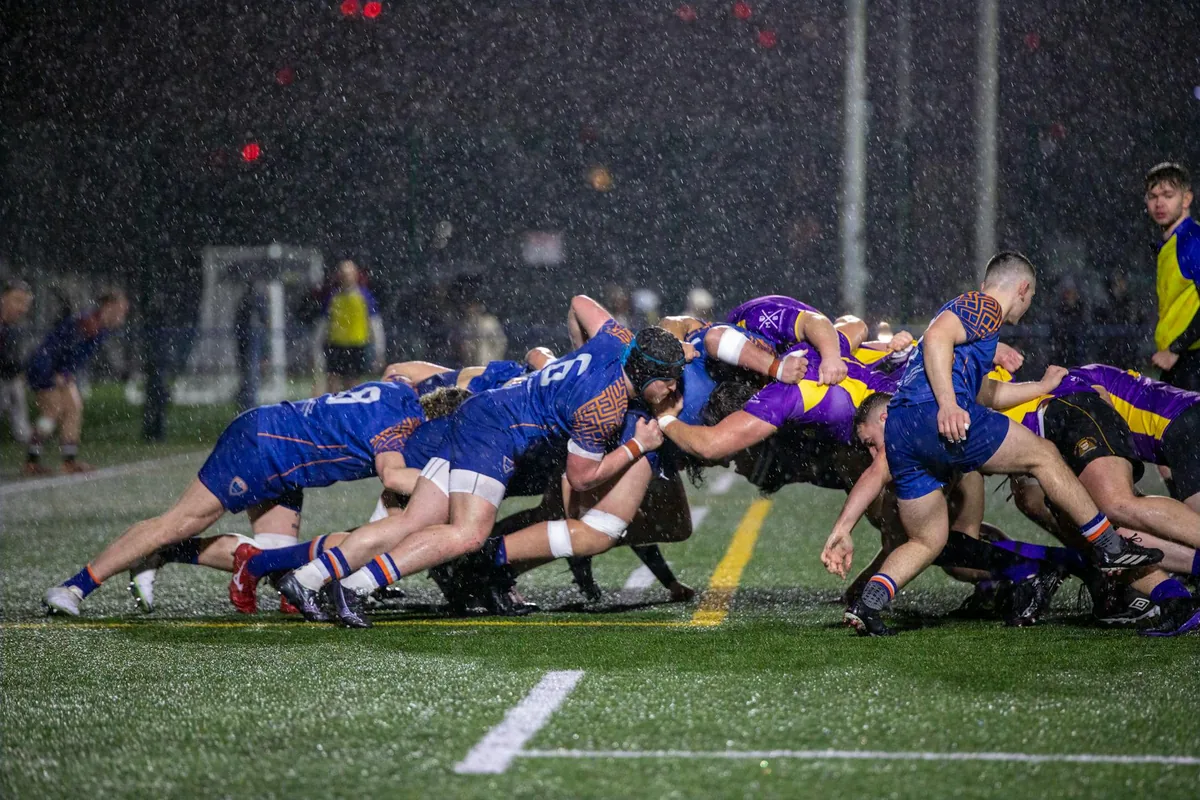
The front row's role is dual-faceted: destructive power and technical precision. Loosehead and tighthead props are the pillars of the scrum, aiming to destabilize the opposition and win penalties. In open play, they are crucial carriers, making hard yards into defensive lines. The hooker, like Jamie George, is the linchpin. His primary duty is the accuracy of the lineout throw, a skill dissected in our Set-Piece Dominance: England's Scrum and Lineout Strategy analysis. He is also a dynamic presence at the breakdown and a key communicator.
The Second Row (Locks)
The locks are the power generators. In the lineout, they are the primary jumpers and lifters, contesting and securing possession. At scrum time, they provide the driving force. Around the park, their work rate is immense—clearing rucks, making tackles, and carrying the ball to blunt the opposition's defensive line. Players like Maro Itoje add a layer of disruptive brilliance, pilfering ball and pressuring kickers.
The Back Row (Flankers & No. 8)
This is the versatility unit. The openside flanker (often a player like Tom Curry) is the breakdown specialist, tasked with slowing opposition ball and winning turnovers—a critical component of the Breakdown Battle: England's Ruck Speed and Contest Strategy. The blindside flanker is often a more physical, lineout-jumping presence. The No. 8 controls the base of the scrum, provides a powerful carrying option off the back, and is a vital link between forwards and backs.
The Conduits: Half-Backs and Tactical Direction
If the forwards win the ball, the half-backs dictate how it is used. Their decision-making under pressure defines England's territorial and attacking shape.
Scrum-Half
The scrum-half is the team's distributor and tempo-setter. His core responsibilities include delivering clean, fast ball from the ruck, box-kicking for territory, and sniping around the fringes to keep defenses honest. He is the primary communicator with the referee and must execute the game plan dictated by the fly-half and coaching staff.
Fly-Half
The fly-half is the chief playmaker and tactician. Whether it's Owen Farrell or Marcus Smith, this player controls the flow of the game. Key duties involve:
- Kicking Strategy: Executing the balance of territory and possession, as explored in our England's Kicking Strategy: Territory vs Possession Balance piece.
- Attack Orchestration: Deciding when to pass, run, or kick, and aligning the backline.
- Goal-Kicking: Converting points from penalties and conversions is often a primary duty.
The Strike Force: Centres, Back Three, and Finishing
This unit is responsible for converting possession into points, requiring a blend of power, pace, and spatial awareness.
Centres (Inside & Outside)
The inside centre (12) is often a powerful, direct runner who can fix defenders and create space for others. The outside centre (13) is typically a faster, more elusive player who exploits that space. Both must be defensively robust, forming the core of the midfield defensive line. A player like Henry Slade, profiled in our Henry Slade Profile: England's Distributing Centre, adds a playmaking dimension from the 13 channel.
The Back Three (Wingers & Fullback)
This group are the finishers and last line of defense. Wingers require blistering pace, aerial ability for contesting high balls, and clinical finishing. The fullback, such as Freddie Steward, is the defensive rock and counter-attacking lynchpin. His responsibilities are vast:
- Aerial Security: Catching high kicks under pressure is paramount.
- Counter-Attacking: Launching attacks from deep with ball in hand.
- Defensive Coverage: Sweeping behind the defensive line to cover kicks and breaks.
Cohesion and Adaptation: The Collective Responsibility
While individual roles are distinct, modern rugby demands fluidity. Props must pass, wingers must ruck, and every player must be an effective defender within the system outlined in our England's Defensive System: Structure, Pressures, and Weaknesses analysis. Furthermore, the ability to adapt these roles mid-game is crucial, a concept explored in Tactical Adaptations: How England Adjusts During Six Nations Matches. The impact of substitutes, analyzed in Bench Impact: How England Uses Replacements to Change Games, also relies on players understanding and executing specific, game-changing briefs.
England's hopes in the Six Nations 2024: Complete Tournament Preview rest on each player mastering their core responsibility while contributing to the collective. From the set-piece grind to the wide channels, every role is interconnected. As the team prepares for battles like the Scotland vs England: The Caledonia Clash, this clarity of purpose will be their greatest weapon. For further insight into the players tasked with these roles, explore our England Players to Watch: Six Nations 2024 Spotlight.
To delve deeper into the laws and nuances of each position, the official World Rugby website provides excellent positional guides and law explanations. Additionally, the England Rugby official site offers detailed player profiles and tactical insights from the camp itself.