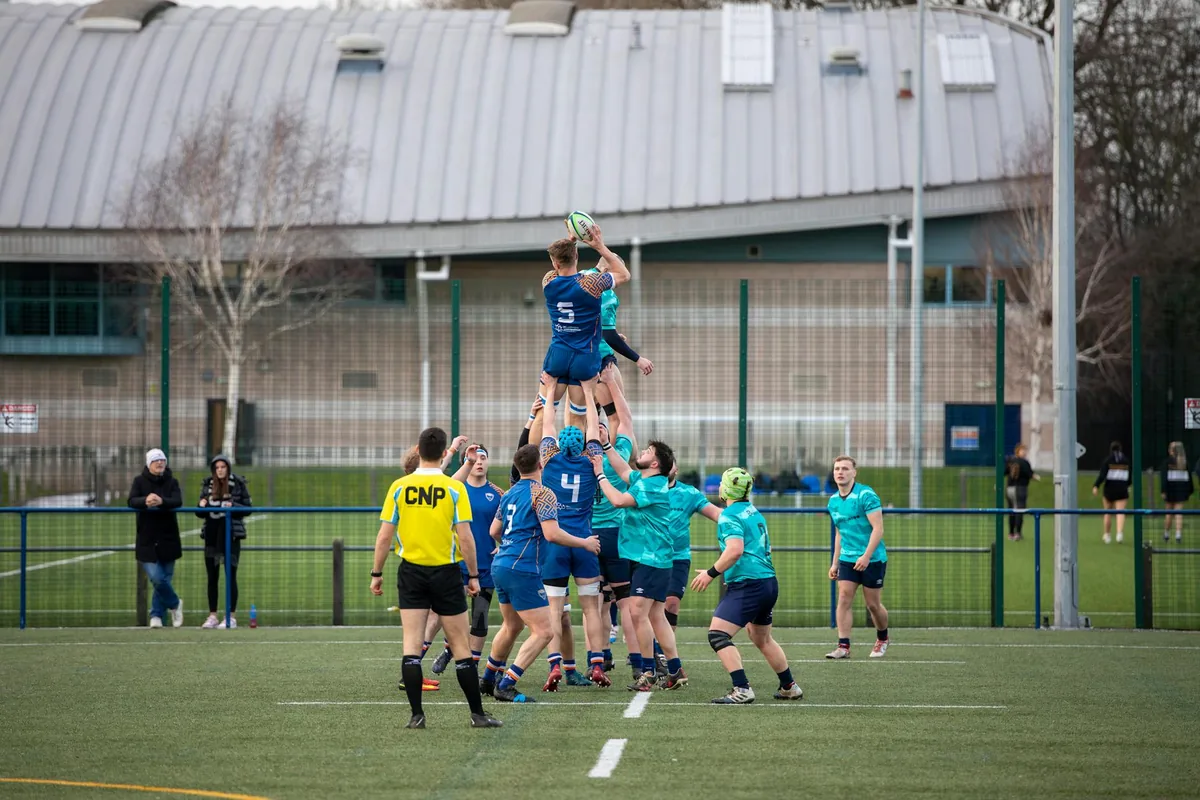
England's Lineout Strategies: The Engine Room of Set-Piece Excellence
The lineout is more than a restart mechanism; it is a complex, choreographed battle of intellect, athleticism, and timing. For England Rugby, a dominant lineout has long been the cornerstone of set-piece excellence, providing a reliable platform for attack, a potent weapon in the red zone, and a critical defensive tool. The strategies employed here are a direct reflection of the team's tactical identity, evolving through different coaching eras while maintaining a core principle: control.
The Pillars of England's Lineout Philosophy
England’s approach to the lineout is built on three non-negotiable pillars: precision, variation, and pressure. This philosophy ensures they can adapt to any opponent or match situation, from securing crucial possession in their own 22 to launching a driving maul attack on the opposition line.
Technical Precision and Communication
At its heart, a successful lineout is an exercise in flawless execution. England invests heavily in the symbiotic relationship between the hooker’s throw and the jumpers’ timing. The call system—a coded language dictating the intended target and lifters—must be communicated clearly and confidentially amidst the cauldron of a Test match. This precision is drilled relentlessly in training camps, where consistency under fatigue is paramount. The role of the leadership group, particularly the forwards captain and lineout caller, is crucial in making real-time adjustments based on the defensive lineout’s setup.
Strategic Variation and Misdirection
Predictability is the enemy of a potent lineout. England’s playbook features a wide array of calls designed to disrupt defensive timing. This includes short throws to the front, quick taps to the receiver at the front or tail, and complex movement patterns where jumpers swap positions pre-throw. The use of decoy jumpers and lifters is commonplace, creating visual clutter for the opposition to decipher. This variation prevents defensive lineouts from gaining a rhythm and allows England to exploit perceived weaknesses, a tactic often pivotal in tight Six Nations tactical battles.
Applying Relentless Pressure
England’s lineout is not merely a means to secure ball; it is a weapon to apply scoreboard and psychological pressure. A dominant defensive lineout, where steals are engineered through well-read jumps or disruptive lifts, can strangle an opponent’s territory and possession. Conversely, a powerful attacking lineout maul, once the ball is secured, is one of rugby’s most effective tools for gaining meters, winning penalties, and scoring tries. The ability to shift from a clean catch to a devastating driving maul in a heartbeat is a hallmark of England’s forward play.
Key Roles and Responsibilities
The success of the lineout is a collective effort, but specific roles carry distinct responsibilities that must be executed to perfection.
- The Hooker: The start of every sequence. Their throwing accuracy, often into challenging conditions, is non-negotiable. Modern hookers like Jamie George are also key decision-makers, working with the caller to select the best option based on the defensive alignment.
- The Primary Jumpers (Locks): Typically the team’s tallest and most athletic forwards, players like Maro Itoje and George Martin are the primary targets. Their ability to win ball cleanly at the front, middle, and tail provides the foundation for all subsequent plays.
- The Lineout Caller: Often a lock or blindside flanker, this player is the on-field tactician. They read the opposition’s defensive setup, select the call, and must possess an encyclopedic knowledge of both their own team’s plays and the opponent’s tendencies. The evolution of this role can be traced through different England coaching eras.
- The Lifters: Usually the props and back-row forwards, their explosive power and timing in propelling the jumper are critical. A fraction of a second’s mistiming can mean the difference between a clean take and a turnover.
- The Receiver (Scrum-Half): Positioned at the tail of the lineout, they must be ready for quick ball, a peel off the maul, or to manage a less-than-perfect throw. Their positioning and communication with the jumper are vital for a smooth transition to the next phase.
Tactical Evolution and Modern Applications
England’s lineout strategy is not static. It has evolved significantly, moving from a primarily possession-oriented set piece to a dynamic, multi-phase launchpad. Under coaches like Steve Borthwick, a former England captain and world-class lineout operator himself, the focus on analytical detail reached new heights. Today, data analytics are used to map opposition jumpers’ success rates in different zones, informing pre-match plans and in-game calls.
The modern lineout also integrates seamlessly with wider attacking patterns. A quick, clean take at the tail can be spun wide immediately, while a middle ball might be used to set up a pod of forwards for a carry close to the ruck. The most feared evolution is the driving maul from a lineout catch. England’s mastery in organizing, binding, and driving this maul has been a try-scoring staple, particularly effective in the pressure-cooker atmosphere of Twickenham on match day.
Defensively, England employs a mix of man-marking and zonal schemes, often using a "lifter hunter" to disrupt the opposition's lifting platform. The primary aim is to contest every throw, applying doubt in the hooker’s mind and forcing errors. This aggressive defensive mindset was a key feature in their run to the 2023 Rugby World Cup semi-finals, as detailed in World Rugby’s official tournament analysis.
Case Studies in Lineout Dominance
History provides clear examples of England’s lineout prowess deciding major contests. The 2003 Rugby World Cup-winning campaign was built on a formidable set piece, with Martin Johnson, Ben Kay, and Neil Back forming an almost unbreakable unit. More recently, England’s victory over Ireland in the 2020 Six Nations was underpinned by a disruptive defensive lineout that consistently stole Irish ball and halted their momentum.
These moments of set-piece excellence are often the difference in championship campaigns. A reliable lineout provides the possession needed to execute a comprehensive game management strategy, controlling territory and tempo. It also serves as a psychological weapon; a series of stolen lineouts can demoralize an opponent and energize the home crowd, turning the tide of a match.
Training the Set-Piece: From Grassroots to Twickenham
The sophistication seen at the international level is the pinnacle of a development pathway that begins much earlier. England’s focus on core skills at the age-grade and academy levels ensures a pipeline of players who understand lineout fundamentals. Specialized coaching, video analysis, and simulated pressure scenarios are all part of the preparation. Resources like The Rugby Site’s coaching library offer insight into the types of drills used to hone these skills at all levels.
Within the national squad, lineout sessions are meticulous. They involve not just the forwards, but also the scrum-halves and fly-halves, ensuring everyone understands their role in the sequence following the throw. This integrated preparation is what allows the intricate plays to function under the intense scrutiny of the Six Nations or a World Cup.
Conclusion: The Cornerstone of Ambition
For England Rugby, excellence at the lineout is not an optional extra; it is a fundamental requirement. It is the secure platform from which attacking ambition can be launched and the defensive bulwark that can stifle opponents. As the game continues to evolve, with new laws and athletic demands, England’s lineout strategies will undoubtedly adapt. However, the core principles of precision, intelligence, and collective will that have defined their set-piece for generations will remain the true source of their lineout strength, driving them forward in pursuit of every trophy they contest.