England's Lineout Evolution: Modern Strategies and Set Plays
The lineout is the chessboard of rugby union, a complex set-piece where strategy, athleticism, and timing converge. For England, the lineout has evolved from a simple means of restarting play into a primary attacking weapon and a critical defensive platform. This evolution reflects broader tactical shifts in the game, driven by coaching innovation, player specialization, and relentless analysis. Understanding England's modern lineout approach offers a window into the sophisticated tactical mind of the national team, a key component of their performance in tournaments like the Six Nations Championship.
The Foundation: Technical Excellence and Consistency
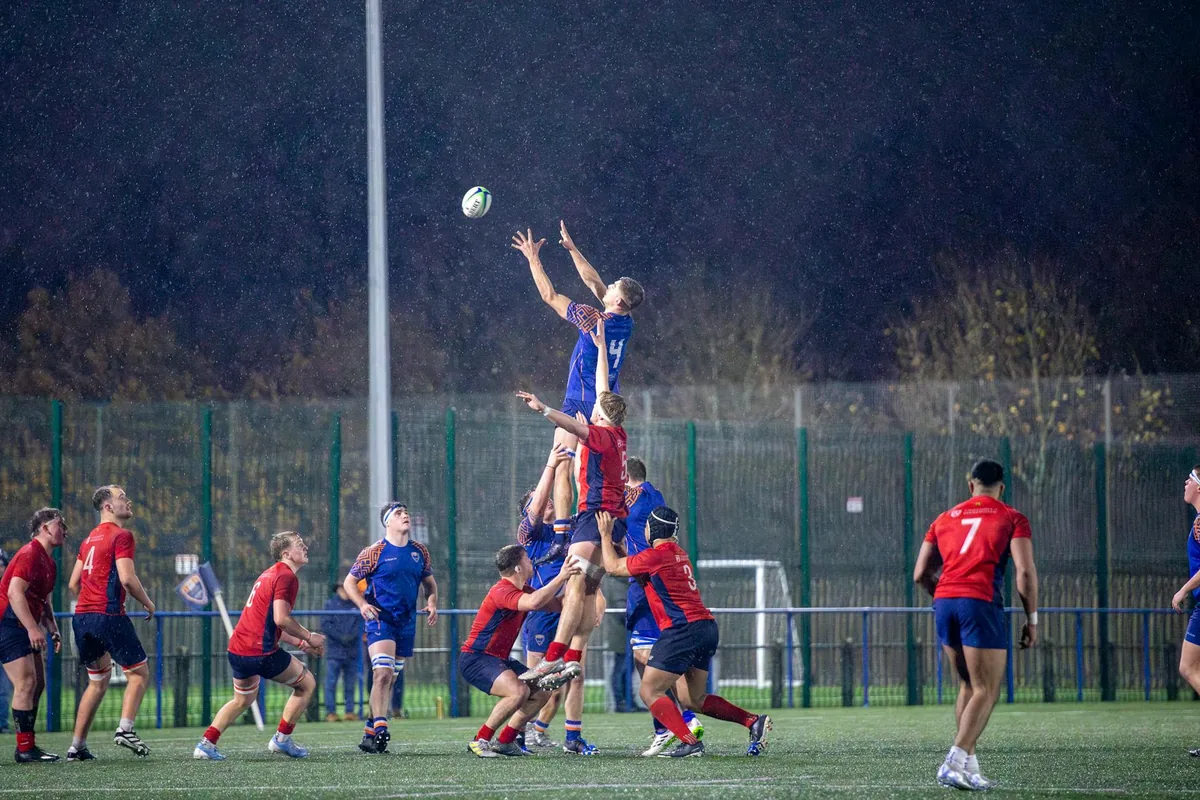
At its core, a successful lineout is built on flawless execution. The throw from the hooker must be pinpoint accurate, the lift from the support players powerful and stable, and the jumper's catch secure. Under the current coaching regime, England has placed a premium on this technical bedrock. The selection of specialist lineout operators, both in the second row and back row, is a meticulous process detailed in our analysis of England's squad selection process. Players like Maro Itoje, George Martin, and Ollie Chessum are not just tall; they are intelligent readers of the game, capable of making split-second decisions in the air.
This consistency provides the platform for everything that follows. A reliable source of possession allows the team to build phases, manage territory, and exert pressure. In the high-stakes environment of Test rugby, where a single lost lineout can lead to a momentum-swinging score, this reliability is non-negotiable. It forms the basis upon which more adventurous strategies are constructed.
Strategic Complexity: Beyond the Simple Catch-and-Drive
Gone are the days when lineouts were solely about winning the ball and forming a maul. England's modern playbook features a diverse array of calls designed to disrupt defensive patterns and create space.
Varied Pod Setups and Misdirection
England frequently uses multi-pod lineouts, with jumpers positioned at the front, middle, and back. The key is deception. By using dummy jumpers and complex movement patterns before the throw, they aim to confuse the opposition's defensive reads. A call might look like it's targeting a towering lock at the back, only for the ball to be thrown short to a dynamic flanker lifting at the front. This misdirection is crucial for creating clean ball for the backs.
The Peeling Maul and Quick Release
While the driving maul remains a potent weapon, especially close to the try line, its application has evolved. England often uses a "peeling" maul, where the ball is quickly transferred to a player at the tail who breaks away before the maul is fully set. This "truck and trailer" move can catch defenses in transition. Alternatively, a swift release from the top of the lineout to the scrum-half and fly-half can launch attacking plays before the defensive line is fully organized, a tactic that requires excellent communication between the leadership group on the field.
Tailored Strategies for Key Fixtures
Lineout strategy is never one-size-fits-all. Analysis of the opposition's defensive lineout is paramount. Against a team with a dominant jumper, England might employ more quick throws to the front or use "over-the-top" throws to bypass the contest. These tactical nuances are often the difference in historic rivalries, such as the detailed battles examined in our England vs Ireland tactical analysis.
The Role of Data and Opposition Analysis
Modern lineout strategy is deeply analytical. England's coaching staff, led by the forwards coach, spends hours dissecting video of opponents' lineout defenses. They identify preferred jumpers, lifting patterns, and defensive spacing. This intelligence directly informs the game plan. For instance, if data shows an opponent's blindside flanker is slow to cover the short side from a lineout, England may design a set-play to exploit that very channel. This data-driven approach is part of a wider trend in how analytics shape England's tactical decisions across all facets of play.
This preparation extends to their own throws. Every lineout loss is forensically examined—was it a poor throw, a mistimed jump, or a brilliant defensive read? This cycle of analysis and adjustment is continuous, ensuring the system evolves and adapts.
Key Personnel: The Thrower, Caller, and Jumpers
The system is only as good as the individuals executing it. Each role is specialized:
- The Hooker: The thrower's consistency is the first link in the chain. Players like Jamie George have honed this skill to an art form, delivering spiraled passes in all weather conditions.
- The Primary Caller: Usually a lock or experienced back-row forward, this player is the on-field tactician. They read the defensive setup in real-time and audible the call. This requires a deep understanding of both the pre-planned moves and the opposition's tendencies.
- The Jumpers: Athleticism is a given, but basketball-style timing and soft hands are critical. The best jumpers, like those profiled in our look at England's position specialists, also possess the core strength to control their body in the air and offload or tap down the ball creatively.
Defensive Disruption: Stealing Opposition Ball
England's lineout philosophy is not merely offensive. A strong defensive lineout can strangle an opponent's attacking platform and generate crucial turnover ball. The team employs various tactics to contest or steal throws:
- The Press: Jumpers timing their leap to meet the ball at its highest point, often with a supporting "lifter" also challenging in the air.
- Spacing Disruption: Using their own formation to block or impede the opposition's lifting corridors, a legal but physically demanding tactic.
- Anticipation: Based on pre-match analysis, a jumper might gamble on a particular throw, aiming to intercept it. This high-risk, high-reward play can be a game-changer, as seen in many of England's memorable comeback victories.
The Future: Continuous Innovation
The evolution of England's lineout is an ongoing process. As defenses become smarter, attacking strategies must innovate. We are seeing trends like "fake mauls" that instantly become wide attacking plays, and the use of shorter lineouts with two or three jumpers to create quicker ball. The integration of younger, more versatile forwards, a process explored in how England bloods new talent, will further fuel this innovation.
The lineout remains a critical battleground where Test matches are won and lost. For England, its evolution from a functional restart to a multifaceted strategic weapon underscores the modern game's complexity. By mastering the technical fundamentals while embracing strategic innovation and data-led analysis, England aims to ensure their lineout is not just a source of possession, but a source of points and momentum in every match they play.
For more on the technical set-piece details, readers can explore the official laws and resources provided by World Rugby, while the performance of English clubs in Europe, as covered in our guide to England's Champions Cup participation, is a key proving ground for these lineout strategies before they are deployed on the international stage.