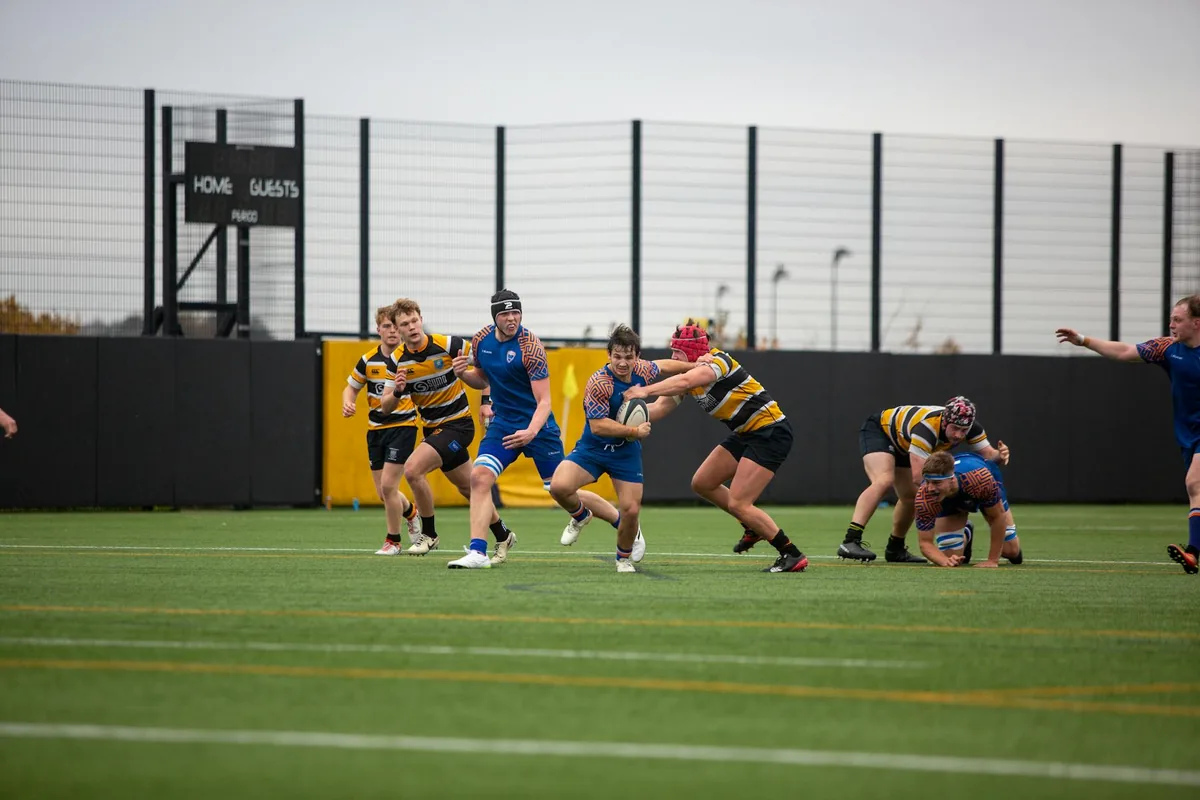
England's Lineout Strategies and Set Plays: The Blueprint for Set-Piece Dominance
The lineout is a critical battleground in modern rugby, a complex chess match of height, timing, and deception. For England, a historically strong set-piece nation, the lineout is more than just a means to restart play; it is a primary attacking platform and a psychological weapon. Under the guidance of forwards coaches like Richard Cockerill and head coach Steve Borthwick, a renowned lineout strategist himself, England has developed a multifaceted and evolving approach designed to secure clean ball and launch potent attacking sequences. This article dissects the core strategies, key plays, and personnel that define England's lineout philosophy.
The Foundational Principles: Accuracy and Variation
England's lineout success is built on non-negotiable fundamentals. The throw from the hooker, whether it's Jamie George or Theo Dan, must be pinpoint accurate. This requires hours of repetition with the primary jumpers—locks like Maro Itoje, Ollie Chessum, and George Martin. The timing between thrower, lifter, and jumper is a finely tuned mechanism, often practiced in isolation from open play to build muscle memory and trust.
Beyond basic execution, the core principle is variation. A predictable lineout is a vulnerable one. England employs a wide array of calls and formations to disrupt opposition timing and defensive reads. This includes varying the length of the throw (front, middle, back), the number of jumpers in the pod, and the speed of the lift. The threat of the drive is always present, forcing opponents to commit defenders, which in turn creates space elsewhere. For a deeper look at how set-piece excellence fits into England's broader tactical philosophy, explore our analysis of the England Rugby Playing Style.
Key Personnel: The Jumpers and the Caller
The engine room of England's lineout is its second-row partnership. Maro Itoje is not just an athletic jumper but an intelligent defensive disruptor, often tasked with pressuring the opposition's throw. Ollie Chessum brings exceptional length and reliability at the front or middle, while George Martin offers formidable power in the driving maul. The lineout caller, often a lock or the blindside flanker, is the on-field tactician. This player reads the opposition's defensive setup in real-time and selects the appropriate call. The synergy between caller, thrower, and jumpers is what transforms a set play from a diagram into points on the board.
Attacking Set Plays: From Secure Ball to Strike Moves
Winning the ball is only the first objective. England designs specific set plays to exploit defensive patterns once possession is secured. These are often rehearsed to the point of instinct.
- The Tail-Gunner Move: A classic but effective play where the ball is thrown to the back of the lineout to a jumper like Chessum. Instead of setting a maul, the ball is quickly passed off the top to the scrum-half, who immediately feeds a crashing centre or a blindside winger cutting a hard line against the grain of the drifting defense.
- The Short Front Ball and Peel: Here, the ball is thrown short to a front jumper, often with only one lifter. The receiving forward immediately peels off the front, engaging the first defender and creating a mini-ruck. This sucks in defenders and can create quick, front-foot ball for the half-backs to attack a disorganized defensive line.
- The Maul as a Launchpad: England's driving maul is one of the most feared in world rugby. It is a try-scoring weapon in its own right, but it also serves as a perfect launchpad for backs moves. As the maul forms and commits multiple defenders, the backs align flat and ready. The scrum-half can choose to keep the ball in the maul, or at the optimal moment, whip it out to the fly-half who has a numerical advantage out wide. The effectiveness of this approach is detailed in our piece on England's Maul Attack Techniques.
Defensive Disruption: Pressuring the Opposition Throw
England's lineout strategy is not purely offensive. A robust defensive lineout can strangle an opponent's attack at source and generate crucial turnovers. The approach is two-fold: contesting on their own throw and disrupting on the opponent's.
Maro Itoje is the master of the "steal." His ability to read the thrower's body language, time his jump perfectly, and either tap the ball back to his side or claim it outright has swung momentum in countless big games, including pivotal Six Nations clashes with Ireland. England will also use "dummy" movements in their defensive setup, showing a certain formation before the throw and then shifting at the last second to confuse the opposition's call and timing. This tactical chess game is a hallmark of the modern Test arena.
The Role of Analysis and Technology
Modern lineout strategy is deeply data-driven. England's analysts meticulously study upcoming opponents, identifying their preferred jumpers, throwing tendencies, and defensive patterns. This intelligence informs the weekly game plan and the library of calls prepared for the match. Technology, such as drone footage and advanced tracking data, allows coaches to assess jump height, lift speed, and spacing with incredible precision, enabling targeted improvements in training.
Evolution and Adaptation: The Borthwick Influence
The lineout is not static. Since Steve Borthwick's appointment, there has been a clear emphasis on set-piece solidity as the non-negotiable foundation of England's game. Borthwick, a former England captain and world-class lineout operator, has instilled a detail-oriented, process-driven culture around the set-piece. While the core principles remain, England continues to innovate, developing new codes and movements to stay ahead of defensive analysts. This evolution is a continuous process, as explored in our article on The Evolution of England's Lineout Strategies.
Adaptation is also key during matches. If a particular jumper or play is being effectively negated by the opposition, the lineout caller must have the awareness and autonomy to switch tactics, perhaps moving to shorter, quicker throws or using decoy runners more heavily to create space.
Conclusion: The Cornerstone of England's Ambition
England's lineout is a sophisticated blend of brute force, intricate timing, and strategic cunning. It functions as both a secure source of possession and a potent attacking weapon. The investment in personnel, technical skill, and analytical preparation underscores its importance to the national team's identity and success. In the high-stakes environment of tournaments like the Six Nations or a Rugby World Cup, a dominant lineout can provide the platform for victory, controlling territory, tempo, and ultimately, the scoreboard. As the game evolves, so too will England's strategies, ensuring the set-piece remains a cornerstone of their quest for silverware.
For authoritative insights into global lineout trends and laws, the World Rugby Law Guidelines provide the official framework, while technical analysis is often best found through resources like The Rugby Site, which features coaching tutorials from top-level practitioners.