Strategic Kicking: England's Tactical Approach to Territory and Pressure
In modern rugby, the boot is as crucial as the ball-carrying arm. For England, strategic kicking is not a last resort but a primary weapon, meticulously designed to control territory, apply relentless pressure, and create scoring opportunities. This tactical approach, refined under successive coaching regimes, is a calculated blend of art and science, demanding precision, cohesion, and intelligent decision-making from every player on the pitch.
The Philosophical Pillars of England's Kicking Game
England's kicking philosophy rests on three core principles: territory, pressure, and possession. The primary objective is to play the game in the right areas of the field. By kicking deep into opposition territory, England forces the opponent to launch attacks from further back, increasing the likelihood of errors. This territorial dominance is the foundation for applying pressure, whether through a suffocating defensive line or by forcing penalties in kickable positions. Crucially, this is not about aimlessly surrendering the ball; it's about contestable kicks designed to regain possession under advantageous conditions or, at minimum, pin the opposition deep.
This approach is deeply intertwined with England's overall game management strategy. The half-backs, particularly the fly-half, act as on-field conductors, constantly assessing field position, scoreboard pressure, and defensive structures to decide when to run, pass, or kick. The evolution of this thinking, from the era of Jonny Wilkinson to George Ford and Owen Farrell, is a fascinating study in tactical adaptation, which you can explore in our analysis of The Evolution of England's Kicking Strategy.
Executing the Kicking Toolkit: A Breakdown of Key Kicks
England's tactical kicking is not monolithic; it employs a diverse array of kicks, each with a specific purpose and execution method.
The Box Kick
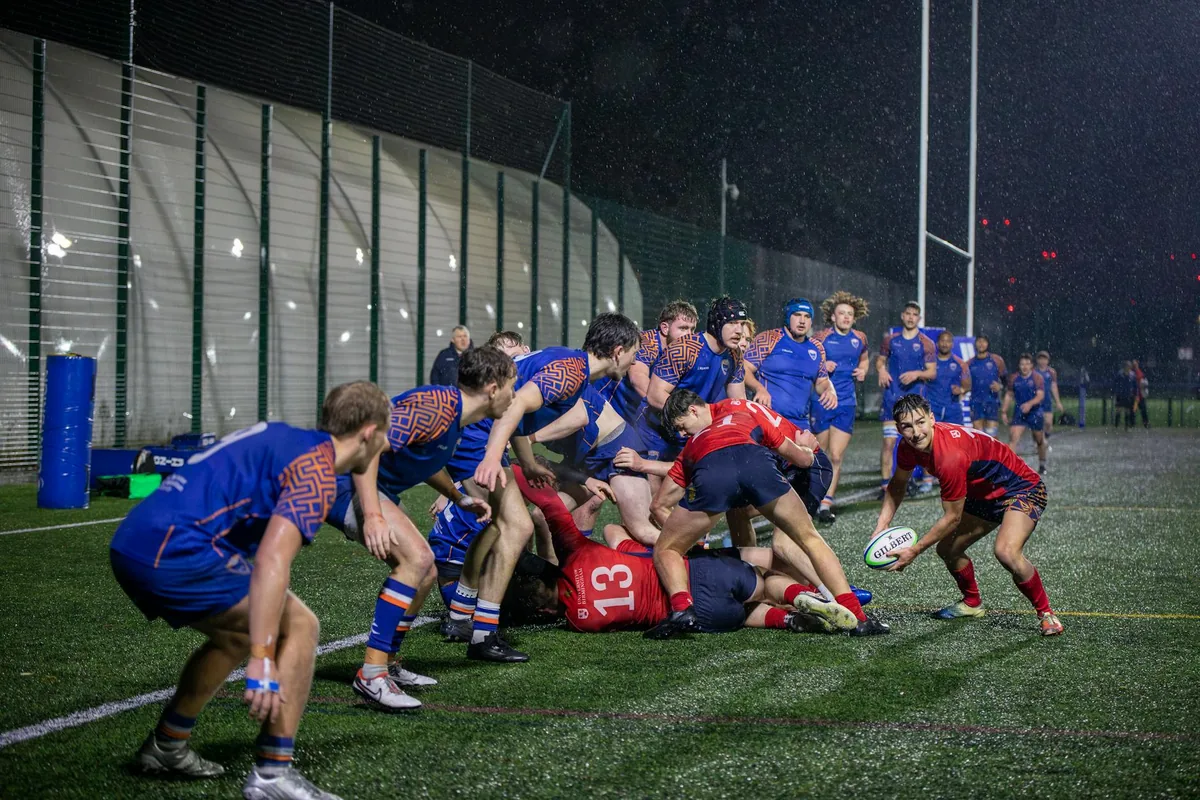
Primarily executed by the scrum-half, the box kick is a high, hanging kick aimed at the space behind the opposition's frontline defense. Its success hinges on height, hang time, and a coordinated chase. The goal is to isolate the opposing catcher, allowing England's chasers—often the wings and fullback—to contest the ball in the air or make a dominant tackle immediately upon the receiver landing. This kick turns a potential attacking ruck for the opposition into a 50/50 contest or, ideally, a turnover.
The Grubber and Chip Kick
These are attacking kicks used to break a flat, organized defensive line. The grubber (a kick along the ground) is effective when the backfield is empty, forcing scrambling defenders to turn and recover. The chip kick over the top is used against an aggressive defensive press. Both require exquisite timing and are often used as a surprise element, with players like Henry Slade and Marcus Smith demonstrating their effectiveness in creating try-scoring opportunities from broken play.
The Territorial Punt
The long, raking touch-finder from the fly-half or fullback remains a fundamental tool. Its purpose is simple: gain maximum ground and secure an exit from one's own half. The modern execution, however, involves more nuance. Kickers now often aim for "contestable" touch, landing the ball just before the touchline to pressure the lineout throw or force a quick throw-in under duress. This directly supports England's set piece analysis, as a successful kick puts immediate pressure on the opponent's lineout.
The Bomb (Up-and-Under)
Similar to the box kick but typically launched from fly-half or inside centre, the bomb is a high kick aimed at a specific receiver, often a smaller scrum-half or fly-half, in the middle of the field. It is a pure pressure play, designed to test the opponent's handling under the high ball and create chaos from which England's powerful forwards can thrive at the ensuing breakdown.
Cohesion and System: The Chasers and the Kick Pressure
A kick is only as good as its chase. England's system relies on impeccable coordination. The kicker must communicate intent, and the chasers must be in sync, timing their run to arrive as the ball descends. The chase is not merely about the first man contesting the ball; it's about the second and third men securing the ruck if the ball is regained or ensuring the tackle is made and the defensive line is set immediately if not.
This requires supreme fitness and understanding, cultivated in England's intensive training camps. The defensive system, often an aggressive blitz, is designed to work in tandem with the kicking game. By forcing the opponent to play from deep, England's defensive line can press up harder and faster, knowing the space in behind is reduced, leading to forced errors and turnovers. This synergy between the kick and the defensive press is a hallmark of their strategy.
Adapting to Context: Game State and Opposition
England's kicking strategy is never applied rigidly. It is dynamically adjusted based on several factors. The game state—score, time remaining, and card situations—dictates risk appetite. When leading, a more conservative territorial game prevails. When chasing, more attacking grubbers and chips may be employed.
Opposition analysis is critical. Against a team with a shaky backfield or a vulnerable fullback under the high ball, the bomb and box kick will be frequent. Against a side with a dominant lineout, England may opt for more kicks to keep the ball in play rather than seeking touch. This tactical flexibility was evident in their recent campaigns, including their 2023 Rugby World Cup campaign, where kicking strategy varied significantly from pool stages to knockout matches.
The Modern Evolution and Data-Driven Decisions
The kicking game has evolved significantly. Where once the aim was simply to find touch, now every kick is analyzed for its "effective distance" and contestability. Technology and data play a huge role. GPS tracking, kick-pressure maps, and success-rate analytics help coaches like Steve Borthwick and his staff refine strategies. They can identify which opponents are weakest under which type of kick and train specific chase patterns to exploit those weaknesses. This move towards data-driven rugby has made England's kicking more precise and purposeful than ever before.
Furthermore, the skillset of players has expanded. Forwards are now expected to execute deft chips and grubbers, and backs must be proficient in long-distance clearing kicks. This universality makes England's attack less predictable and more multifaceted.
Conclusion: A Cornerstone of Identity
Strategic kicking is far more than booting the ball away. For England, it is a sophisticated, multi-layered tactic central to their identity and success. It demands technical skill, tactical intelligence, and systemic cohesion from all 23 players. By mastering the art of the kick, England seeks to control the rhythm of the game, dictate where it is played, and patiently squeeze the life out of opponents, turning territory and pressure into points on the board. As the game continues to evolve, so too will England's kicking strategies, ensuring the boot remains a decisive weapon in their pursuit of victory. For a deeper look at how this fits into broader tactical preparations, especially in challenging environments, consider reading about England's preparation for away games.
To understand how this tactical approach is implemented by the players on the field, you can learn more about the key players executing England's game plan. For authoritative insights into the global laws and strategies governing the kicking game, resources from World Rugby provide essential context, while analysis from specialist rugby media often delves into the tactical nuances of international Test matches.