Game Management: How England Controls Matches Strategically
Game management is the cerebral engine of modern rugby, the deliberate process of controlling tempo, territory, and momentum to steer a match toward a desired outcome. For England, this strategic discipline is not a passive act of containment but a proactive, multi-layered system executed from the first whistle to the last. It blends tactical kicking, set-piece dominance, defensive pressure, and shrewd leadership to impose their structure on the opposition, often turning high-pressure contests into controlled victories. This deep dive explores the core components of England's strategic match control.
The Foundational Pillars: Territory and Possession
England’s game management philosophy is built on a classic but nuanced balance between territory and possession. The decision of when to kick and when to play is dictated by field position, scoreboard pressure, and the defensive shape of the opponent. The primary tool is a sophisticated kicking strategy, designed to pin teams in their own half and force errors. This isn't just about clearing lines; it's about contestable kicks, intelligent chips over advancing defensive lines, and precise touch-finders to set up attacking lineouts.
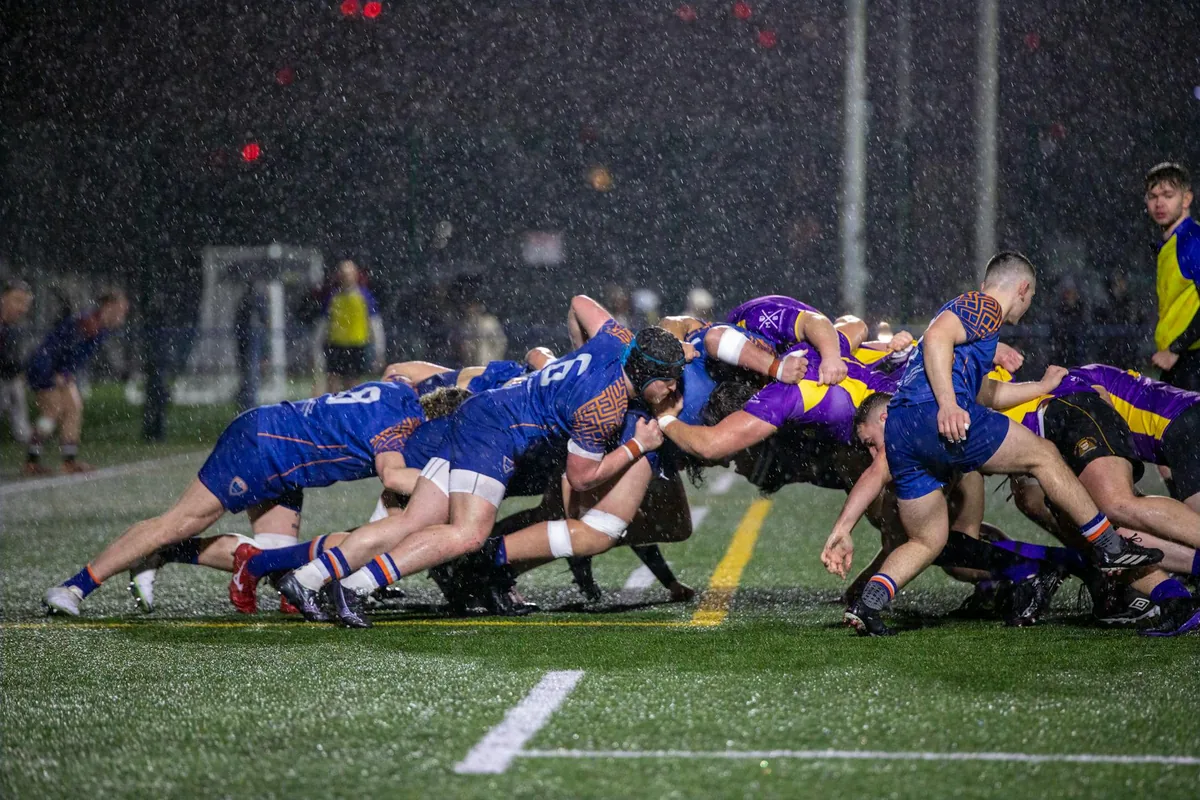
This territorial game is powered by a relentless pursuit of set-piece excellence. A dominant scrum provides both a platform for attack and a source of penalties to gain easy yards or three points. Meanwhile, a reliable and varied lineout is the launchpad for driving mauls and multi-phase attacks. By securing their own ball and disrupting the opposition’s, England controls the fundamental rhythms of the game, dictating where and how the battle is fought.
Phase Play and Building Pressure
Once in the right areas of the pitch, England’s game management shifts to building pressure through phase play. This involves patient, structured attack designed to probe defensive weaknesses, commit defenders, and ultimately create scoring opportunities or draw penalties. The focus is on maintaining possession through efficient ruck speed and cleanouts, ensuring quick ball that keeps the defensive line on the back foot.
The decision-making hierarchy is crucial here. While the fly-half is the primary conductor, input from the scrum-half, inside centre, and especially the captain on the field is constant. They assess defensive patterns, identify mismatches, and decide when to shift point of attack, when to employ a pre-called set move, or when to reset and kick for territory again. This collective intelligence prevents one-dimensional play and forces opponents to defend multiple threats.
The Role of the Leadership Group
Effective game management cannot exist without strong, calm leadership on the pitch. The captain, often in consultation with senior players like the vice-captain and key decision-makers at half-back, is responsible for interpreting the flow of the match and making critical calls. This might involve opting for a scrum over a penalty kick, choosing a lineout drive instead of a quick tap, or instructing the team to play for territory in the closing minutes of a tight half. The dynamics of England's leadership group are therefore central to translating pre-match strategy into in-game reality, a theme explored in our analysis of captaincy and decision-making.
Defense as an Attacking Weapon
A less obvious but vital aspect of England's match control is their defensive system. An organized, aggressive defense is a form of offensive pressure. By employing a fast, coordinated defensive press, England aims to shut down space, force handling errors, and create turnover opportunities. A dominant defensive set, particularly one that forces a penalty or a turnover inside the opposition 22, is often as valuable as a try-scoring attack.
This defensive pressure directly fuels another key element: transition mastery. The ability to switch instantly from defense to attack—capitalizing on a loose ball, an interception, or a charged-down kick—is where games can be won in moments. England drills extensively to exploit these chaotic situations, turning defensive resilience into sudden, point-scoring opportunities that can break an opponent's spirit and seize control of the scoreboard.
Closing Out the Game: The Final Quarter
The ultimate test of game management comes in the final quarter, especially when protecting a narrow lead. Here, strategy becomes paramount. England’s approach often involves tightening the game: securing possession through the forwards, playing for field position with tactical kicks, and draining the clock with controlled phase play in the opposition half. Discipline is non-negotiable; avoiding penalties that offer easy exits or shots at goal is critical.
The impact of the bench, or "finishers," is magnified during this period. Fresh forwards are introduced to maintain set-piece dominance and ruck intensity, while experienced backs can bring calm heads to manage the game's closing stages. This meticulous approach to late-stage game management has been the difference in numerous tight contests, including several memorable Six Nations comeback victories.
Evolution and Adaptation
England's approach to game management is not static. It evolves with coaching philosophies, player personnel, and the broader trends in world rugby. The use of data analytics has become increasingly important, with teams like England employing detailed performance analysis to inform tactical decisions on kick strategies, substitution timing, and opponent weaknesses. Resources like World Rugby's game analysis guidelines highlight the sport's growing data-driven nature.
Furthermore, the unique challenges of different competitions demand adaptability. The tactical approach for a wet, windy night in Edinburgh during the Calcutta Cup will differ from that required for a dry, fast track at Twickenham. Similarly, preparation for away games involves specific strategies to manage travel, acclimatization, and hostile environments, all of which feed into the overall game plan.
Conclusion: A Symphony of Control
England's strategic game management is a complex symphony conducted on the field. It harmonizes the brute force of the set-piece with the subtlety of the kicking game, the resilience of defense with the patience of attack, and the pre-match planning with the in-game intelligence of its leaders. It is a philosophy that values control over chaos, pressure over possession for its own sake, and pragmatic decision-making over pure flair. By mastering this multifaceted discipline, England aims to not just win matches, but to control them from start to finish, a testament to the strategic depth of modern rugby at the highest level. For more on how England builds towards major tournaments, explore our guide to their Rugby World Cup preparation cycles.