England's Game Management in Closing Stages: The Art of Sealing Victory
In the crucible of international rugby, the final quarter of a match is where games are won, lost, and legends are forged. For England, the ability to manage these high-pressure closing stages has often been the defining line between triumph and heartbreak. This tactical discipline, often termed "game management," is a sophisticated blend of decision-making, skill execution, and psychological fortitude. It’s about controlling the clock, territory, and scoreboard when fatigue is at its peak and nerves are frayed. England's approach to this critical phase has evolved significantly, moving from a reliance on individual brilliance to a more systematic, squad-driven strategy designed to close out the toughest contests.
The Pillars of Late-Stage Control
Effective game management in the final minutes is not a single action but a series of interconnected principles executed under duress. England’s framework is built on several key pillars that coaches drill into the squad relentlessly during training camps.
Territorial Dominance and the Kicking Game
Possession without position can be a liability in the dying moments. England’s strategy often hinges on intelligent kicking to pin opponents in their own half. This isn't just about clearing lines; it's about contestable kicks, precise touch-finders, and grubbers that turn defenders. The evolution of this approach, from Jonny Wilkinson's era to the modern orchestration of George Ford or Marcus Smith, is detailed in our analysis of The Evolution of England's Kicking Strategy. The primary goal is to force the opposition to play from deep, increasing the likelihood of errors or penalties that can relieve pressure or offer a final scoring chance.
Set-Piece Security
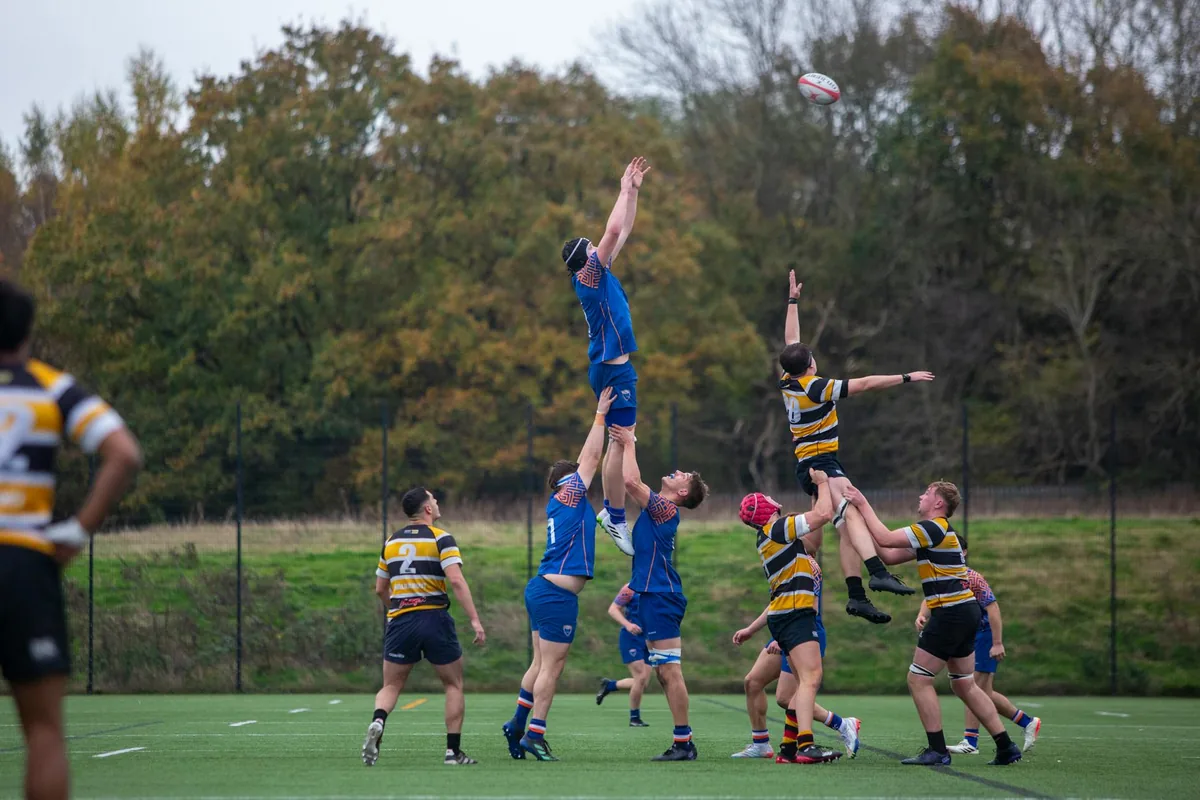
When the outcome hangs in the balance, the set-piece becomes a non-negotiable source of stability. A solid scrum on your own feed or a secure lineout on your own throw are the ultimate pressure-relievers. England’s historical strength at the set-piece, particularly the driving maul, is a crucial weapon for chewing up precious seconds and winning penalties. The technical excellence required is explored in our piece on England's scrum dominance techniques. Losing a late lineout or conceding a scrum penalty can instantly shift momentum and hand victory to the opponent.
Discipline and Decision-Making
This is the mental cornerstone. It encompasses the captain’s communication with the referee, the fly-half’s choice to kick for touch or go for posts, and every player’s responsibility to avoid offside or breakdown infringements. Poor discipline gifts the opposition easy territory and points, as seen in some of England's more painful Wooden Spoon moments. The leadership required in these moments is immense, a topic we delve into in Inside England's Leadership Group.
The "Finishers" and Tactical Substitutions
Modern rugby has redefined the role of the bench. England’s "finishers" are not merely replacements but tactical weapons deployed to elevate performance in the final quarter. Coaches like Steve Borthwick meticulously plan substitutions to introduce fresh legs, specific skills, or a change in tactical approach. This might mean bringing on a powerful ball-carrier to gain hard yards, a defensive specialist to shore up the midfield, or a jackal threat to target turnover ball. The impact of this bench strategy is profound, as analyzed in England Substitutions Impact: Bench Strategy and Finishers. The integration of these players ensures the game plan can be maintained or intensified when others are tiring.
Historical Case Studies: Learning from Triumph and Despair
England’s journey in mastering the close has been a rollercoaster, providing clear lessons on what works and what fails.
- The 2003 World Cup Final: The ultimate masterclass. With the scores level in extra time, England’s forwards executed a multi-phase drive to position Jonny Wilkinson for his iconic drop-goal. It was the culmination of territorial pressure, set-piece stability, and ice-cool execution—a blueprint for closing out a game.
- 2019 World Cup Semi-Final vs. New Zealand: A modern example. Leading in the second half, England used a brutal defensive line speed, orchestrated by Owen Farrell, to suffocate the All Blacks’ attack. They controlled possession, won critical turnovers, and never allowed New Zealand to build momentum, showcasing a defensive form of game management.
- Six Nations Near-Misses: Conversely, England has also suffered from lapses in this department. Narrow losses in recent Calcutta Cup clashes have sometimes stemmed from ill-discipline in their own half or an inability to exit cleanly under the Scottish defensive blitz, handing opportunities to opponents like Finn Russell.
These experiences, both glorious and gut-wrenching, are part of the team's DNA and inform their current preparations for tournaments like the Six Nations 2025.
Psychological Conditioning and Data Analytics
Beyond physical tactics, the mental game is paramount. England employs sports psychologists to train players in techniques for staying focused, managing anxiety, and making clear decisions under fatigue. This mental preparation is as critical as any fitness drill.
Furthermore, the use of data has transformed late-game strategy. Real-time analytics can inform decisions on penalty choices (kick for points or corner?), substitution timing, and identifying opposition fatigue patterns. This data-driven approach, as discussed in Data-Driven Rugby: How Analytics Shape England's Tactical Decisions, provides an objective layer to the high-pressure, instinctive decisions of the closing minutes.
Looking Ahead: The Continuous Evolution
The art of closing out a game is never static. As defensive systems become more aggressive and fitness levels rise, England must continually adapt. The focus is on developing players who are not just physically robust but are also tactically intelligent and emotionally resilient. The pathway for cultivating these attributes begins long before they reach Twickenham, rooted in the RFU’s player development pathway.
For fans, understanding this facet of the game adds a deeper layer of appreciation. The final, match-sealing play is usually preceded by 5-10 minutes of structured, disciplined rugby that made it possible. It’s a collective effort where every player understands his role in the system. As England builds towards future challenges, including the 2027 Rugby World Cup, their ability to execute in these critical moments will remain the ultimate test of their progress and a defining feature of their potential success.