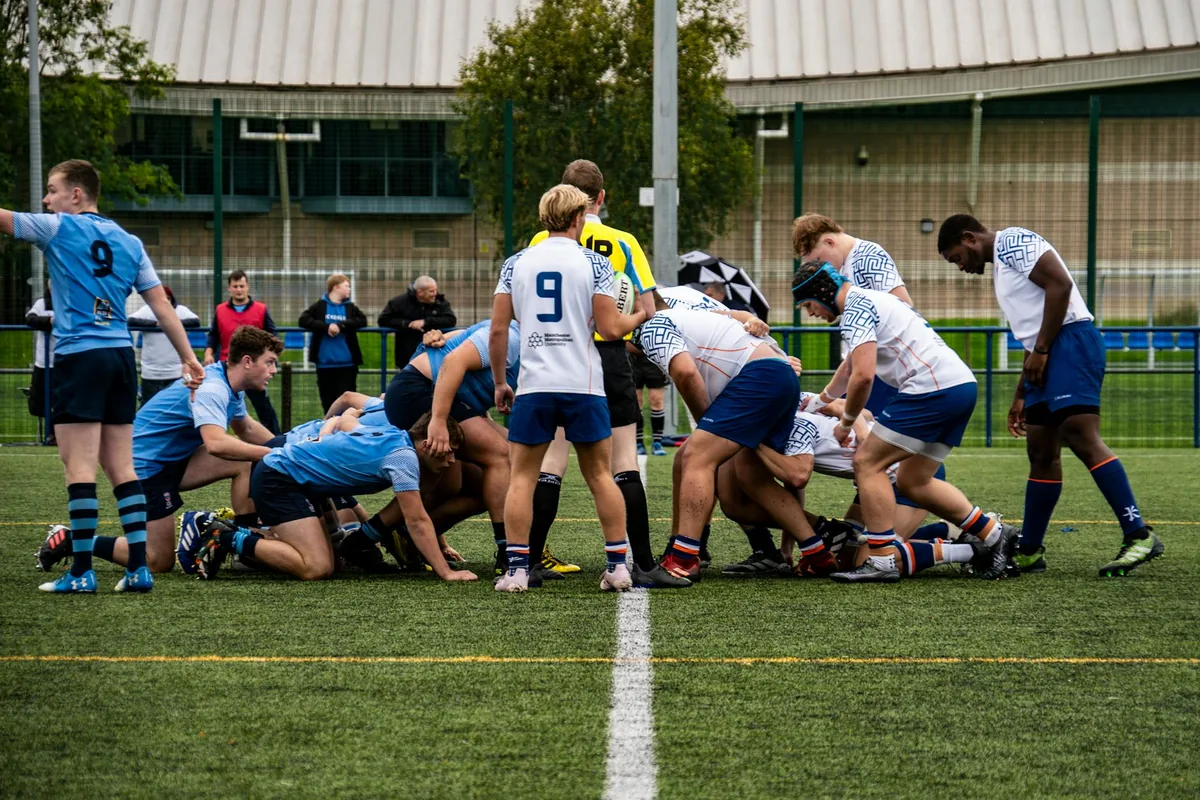
England Attack Patterns: Backline Moves and Phase Play
England's attacking philosophy has evolved significantly over recent coaching regimes, moving from a predominantly forward-oriented, territory-based game to a more fluid, multi-phase system designed to create and exploit space. The modern England attack is built on a foundation of structured phase play, designed to manipulate defensive structures, before unleashing intricate backline moves. This tactical evolution is crucial for success in tournaments like the Six Nations Championship, where breaking down organized defenses is paramount.
The Foundation: Principles of Phase Play
Effective attack patterns are not spontaneous; they are built through consecutive phases of play. England's approach under Steve Borthwick emphasizes building pressure through repetition and precision. The core principles involve maintaining possession, securing quick ruck ball, and playing with width and depth to stretch defenses horizontally and vertically. The primary objective is to fix defenders, creating mismatches or overlaps in wider channels. This requires immense discipline, with every player understanding their role in the pattern, from the forwards providing clean ball to the half-backs dictating the point of attack. The integration of newcomers, as detailed in our analysis of how new caps integrate into England's squad, is vital to ensuring seamless execution of these complex patterns under pressure.
Ruck Speed and Ball Presentation
The engine room of any attacking phase play is the breakdown. England focuses intensely on achieving rapid ruck speed—the time between a tackle being made and the ball being available for the scrum-half. Quick ball prevents the defense from reorganizing, allowing the attack to play against a scattered defensive line. This is supported by effective clearouts and intelligent support running. The role of the 'finishers' or impact substitutes is critical here, as fresh legs in the final quarter can maintain this high-tempo approach, a strategy explored in our piece on England's bench strategy and finishers.
Playing the Numbers Game: Width and Depth
To disorganize a defense, England uses the full width of the pitch. This involves forwards carrying in tight channels to commit defenders (known as 'tying in' defenders) before shifting the ball swiftly through the hands of the backs. Depth in the attacking line is equally important; players must align deep enough to receive the ball at pace, giving them more time to assess options and attack the gain line with momentum. The fly-half is the chief conductor, deciding whether to hit a forward runner, pass to a hard-running center, or shift the ball wider to the back three.
Signature Backline Moves and Structures
Within the framework of phase play, England employs specific backline moves designed to create line breaks. These are often called from set-piece or open play and require flawless timing and execution.
The Overs Line (Short Side Switch)
A classic move used to exploit defensive misalignment. From a ruck or set-piece on one side of the field, the fly-half will pass to a center who is running a hard, direct line. Meanwhile, the blindside winger or fullback loops around from the opposite side of the ruck, receiving a short pop pass from the center to attack the space the defense has vacated. This move is effective against aggressive drift defenses and relies on the decoy runner (usually the first center) holding his line to fix the inside defender.
The Miss-Pass to the Second Receiver
This is a fundamental but potent pattern. Instead of passing through the hands to the outside center, the fly-half will throw a long, flat miss-pass directly to the fullback or a wing who has come into the line as a second receiver. This bypasses the first wave of defenders and attacks the space outside them before they can slide across. The success of this move hinges on the quality of the pass and the angle of the second receiver, who must hit the line at full speed.
Block Plays and Decoy Runs
England frequently uses decoy runners to hold defenders and create space for others. A common example is a 'dummy loop' where a player feigns receiving a pass, causing a defender to hesitate. More structured are 'block plays' where two attackers run lines close together, with one acting as a shield or decoy for the other. The key is for the decoy runner to run a convincing, threatening line that commands the attention of a defender, thereby creating a gap for the ball carrier. These intricate plays are a hallmark of a well-drilled squad, something built through the team chemistry and bonding activities undertaken off the field.
Evolution and Adaptation Under Different Coaches
England's attacking patterns are not static; they adapt to the personnel available and the philosophical leanings of the head coach. The Eddie Jones era often featured a more direct, power-based attack with an emphasis on kicking for territory, while the current system under Steve Borthwick seeks to blend that pragmatic foundation with more expansive phase-play ambition. This evolution is part of a broader tactical philosophy and evolution that responds to the global trends in rugby. The ability to seamlessly switch between a tight, forward-driven game and a wide, phase-based attack is what makes England a persistent threat, particularly when harnessing the unique atmosphere of Twickenham on match day.
Linking Attack to the Kicking Game
A modern attack cannot be viewed in isolation from the tactical kicking game. England uses kicks not just to gain territory, but as an attacking weapon to turn defenses. Grubber kicks behind a rushing defensive line, cross-field kicks to isolated wingers, and contestable high balls are all integrated into the phase play structure. A multi-phase attack might deliberately draw the backfield defenders into the front line, creating space behind for a deft chip or grubber. This layered approach forces defenses to cover the entire field, creating more gaps and opportunities. For a deeper dive into this aspect, World Rugby's official guide to kicking skills provides excellent technical context.
Data and Decision-Making
Contemporary attack is increasingly driven by data. Analysts provide real-time information on defensive spacing, tackle success rates on specific players, and fatigue indicators. This allows the on-field leaders, like the captain and fly-half, to make informed decisions on whether to continue a phase sequence, kick for territory, or call a specific backline move. The leadership group's role in this game management and decision-making is crucial. Understanding when to play from deep, when to apply pressure through phases, and when to take points is the fine line between a good attack and a great one.
Conclusion: The Continuous Pursuit of Fluidity
England's attack patterns represent a complex blend of pre-rehearsed structure and adaptive, heads-up rugby. The ultimate goal is to move from structured phase play—where the focus is on building pressure and organizing shape—to unstructured, fluid rugby where players can exploit opportunities based on instinct and skill. This requires not only technical excellence but also a profound understanding between players, developed over time through shared experience. As England continues to refine its approach, the integration of innovative phase play and sharp backline moves will remain central to its quest for silverware, including in upcoming campaigns like the Six Nations 2025. For further technical analysis of attacking structures in elite rugby, resources like The Rugby Site's backline attack library offer valuable insights.